Introduction
Freezer warehouses are specialized cold storage facilities designed to keep frozen products at controlled low temperatures, typically between -20°C and -30°C. They are widely used in the food processing, meat, seafood, pharmaceutical, and cold chain logistics industries.
Building an efficient freezer warehouse involves more than installing refrigeration equipment. Insulation, refrigeration capacity, storage layout, racking systems, airflow, and material handling equipment must all work together to maintain stable temperatures and support daily operations.
Quick Answer: How to Design an Efficient Freezer Warehouse?
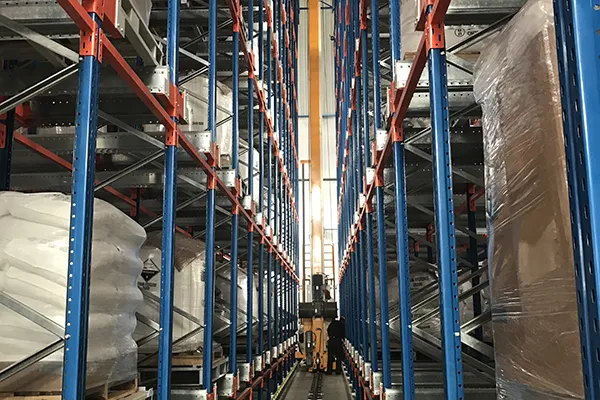
Start by identifying your storage temperature, product characteristics, inventory turnover, and daily handling requirements. Then select suitable insulation materials, refrigeration equipment, storage racks, and material handling systems. For facilities with high storage demands, automated storage and retrieval systems (AS/RS) can help maximize space utilization, reduce manual operations in low-temperature environments, and improve warehouse efficiency.
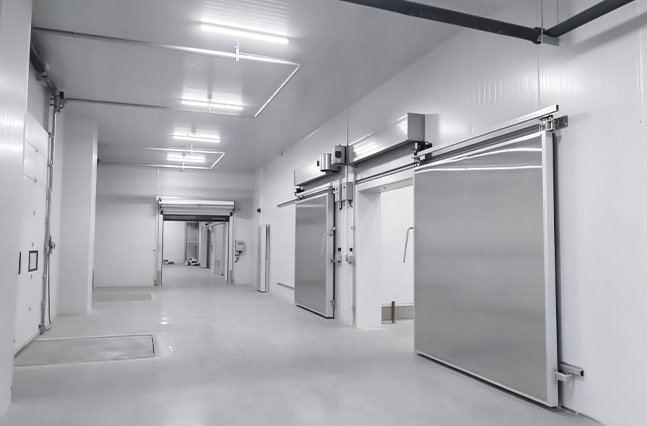
Types of Freezer Warehouses
Cold storage facilities can be classified according to storage temperature and application. These differences directly affect insulation requirements, refrigeration equipment, temperature monitoring, and fire protection measures.
Before planning a freezer warehouse, it is important to understand which type of cold storage facility best suits your products and operating requirements.
1. Classification by Storage Temperature
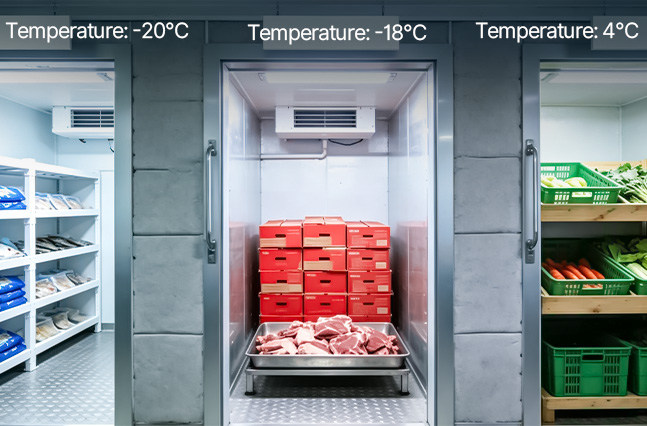
Based on their operating temperature, cold storage facilities can generally be divided into four categories:
- High-Temperature Cold Storage (0°C to 10°C): Mainly used for fruits, vegetables, flowers, and fresh products that require refrigeration or pre-cooling.
- Medium-Temperature Cold Storage (-5°C to -18°C): Commonly used for meat, seafood, prepared foods, and other products requiring chilled or frozen storage.
- Low-Temperature Freezer Storage (-20°C to -30°C): Designed for long-term storage of frozen food, meat, seafood, and other frozen products.
- Ultra-Low-Temperature Storage (-40°C and below, down to -80°C): Used for biological samples, bacterial cultures, specialized reagents, and other materials requiring extremely low temperatures.
Different temperature ranges require different levels of insulation, refrigeration capacity, and temperature control. For example, a freezer warehouse operating at -25°C needs thicker insulation panels and refrigeration equipment designed for low-temperature conditions.
2. Classification by Application
Freezer warehouses and other cold storage facilities serve different industries. Their design requirements vary depending on the products stored and the way the warehouse operates.
- Food Cold Storage:
Used for fruits, vegetables, meat, seafood, and frozen food. Key requirements include stable temperatures, uniform airflow, and hygienic surfaces that are easy to clean. - Pharmaceutical Cold Storage:
Designed for vaccines, medicines, biological products, and temperature-sensitive materials. Reliable temperature monitoring, backup refrigeration, and data traceability are essential. - Explosion-Proof Cold Storage:
Used for materials with flammable or explosive properties. Electrical equipment and control components must meet the applicable explosion-proof requirements. - Cold Chain Distribution Warehouses:
Handle frequent inbound and outbound operations. Well-insulated doors, air curtains, and efficient material handling processes help reduce heat infiltration. - Quick-Freezing Facilities:
Used in food processing operations to rapidly freeze products before transferring them to long-term frozen storage.
A common mistake in freezer warehouse planning is focusing only on storage capacity while overlooking actual operating conditions.
For example, a cold chain distribution warehouse with frequent door openings and continuous product movement has a much higher heat load than a freezer warehouse used mainly for static storage.
The temperature of incoming goods, daily inbound volume, door-opening frequency, and product handling processes all affect refrigeration requirements. Ignoring these factors can result in slow cooling, higher energy consumption, and unstable storage temperatures.
General Freezer Warehouse Design Considerations
Designing a freezer warehouse requires careful planning of the building structure, insulation, refrigeration system, and internal environment. Each component affects temperature stability, energy consumption, and daily operating efficiency.
For food processing plants, frozen food warehouses, and cold chain distribution centers, the main design goals are to maintain consistent temperatures, reduce refrigeration costs, and ensure smooth loading and unloading operations.
1. Site Selection and Warehouse Zoning
The location of a freezer warehouse directly affects its construction and operating costs. Whenever possible, choose a site away from direct heat sources, excessive moisture, and heavy dust. Good ventilation and convenient access for transportation are also important.
The internal layout should follow the flow of goods. A typical arrangement includes:
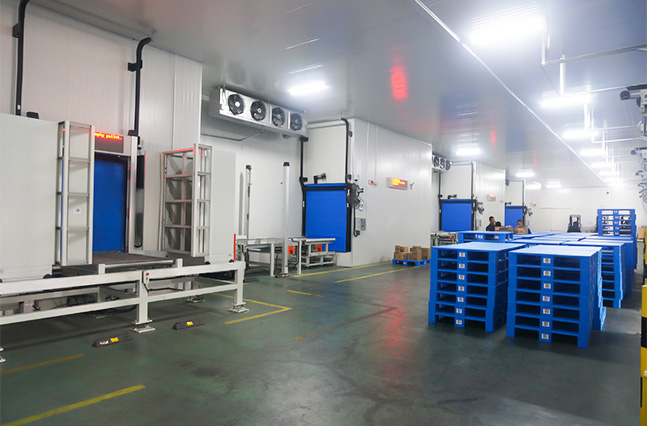
- Buffer Area: Provides a transition between ambient and low-temperature environments, reducing the amount of warm air entering the freezer.
- Order Preparation Area: Used for sorting, checking, and preparing goods before storage or dispatch.
- Main Storage Area: Provides the required low-temperature environment for long-term frozen storage.
A buffer area is a particularly valuable feature, even for relatively small freezer warehouses. Without one, frequent door openings can introduce warm, humid air, increasing condensation and frost buildup. Over time, moisture penetration may also damage insulation panels.
For high-traffic entrances, insulated sliding doors or impact-resistant swing doors can help reduce heat loss. Air curtains can provide additional protection against warm air infiltration .

2. Insulation System Design
Insulation is one of the most important parts of a freezer warehouse. A properly designed insulation system reduces heat transfer from the outside environment, helping refrigeration equipment maintain the required temperature with less energy.
Most prefabricated cold storage facilities use polyurethane (PU) sandwich panels. Polyisocyanurate (PIR) panels are another option, particularly for low-temperature and high-humidity environments where improved thermal insulation and fire performance are required.
Panel thickness should be selected according to the operating temperature:
- 100 mm panels: Commonly used for high-temperature cold storage.
- 150 mm panels: Generally suitable for cold storage operating at around -18°C.
- 200 mm or thicker panels: Recommended for freezer warehouses operating below -25°C.
The floor insulation system is equally important but is sometimes overlooked during construction. A typical floor structure includes a moisture barrier, an insulation layer, and a reinforced concrete slab. This helps prevent frost heave, floor deformation, and moisture-related damage.
Panel joints should be sealed continuously with suitable mildew-resistant sealant. Rounded internal corners also make cleaning easier and reduce areas where dust and moisture can accumulate.
Cutting costs by removing floor insulation can create serious problems later. In multi-level buildings, for example, moisture and condensation may develop on the ceiling of the floor below the freezer warehouse.
3. Refrigeration Load Calculation and Airflow Design
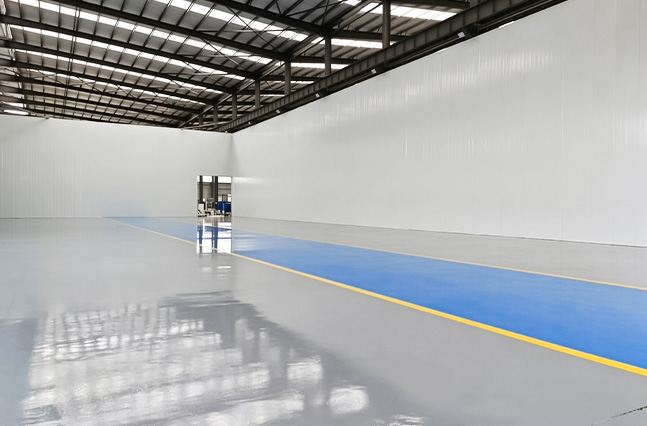
The refrigeration system must be sized according to the actual heat load of the warehouse, rather than using a simple estimate based on warehouse volume.
The total refrigeration load generally consists of five main sources:
- Heat transfer through the building envelope: Heat entering through walls, floors, ceilings, and doors.
- Product heat load: Heat released by incoming goods as they cool to the required storage temperature.
- Air infiltration: Warm air entering through doors during loading and unloading.
- Equipment heat load: Heat generated by evaporator fans, motors, and other electrical equipment.
- Occupant heat load: Heat released by workers operating inside the warehouse.
Proper airflow distribution is just as important as refrigeration capacity. Evaporators should be positioned to avoid blowing cold air directly toward frequently opened doors. Air circulation paths should also be designed to prevent dead zones.
When arranging goods, leave sufficient space between pallets, walls, and ceilings to allow cold air to circulate. Blocking return air passages or placing products too close to evaporators can create uneven temperatures and increase the risk of product quality deterioration.
4. Drainage, Electrical Systems, and Fire Protection
In addition to insulation and refrigeration, a freezer warehouse requires properly designed drainage, electrical, and fire protection systems.
- Drainage: Condensate drainage pipes should be equipped with electric heat tracing where necessary to prevent freezing and blockages in low-temperature environments.
- Electrical Systems: Lighting fixtures must be suitable for low-temperature operation. Where required by the stored materials and applicable regulations, explosion-proof electrical equipment should be installed.
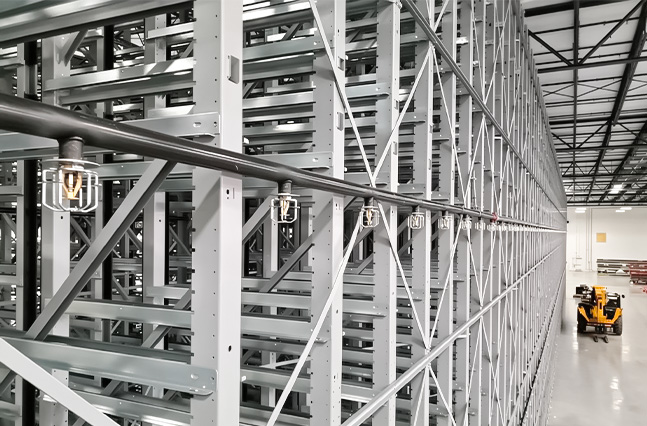
- Fire Protection: Insulation materials, emergency exits, fire detection, and alarm systems must comply with local building and fire safety regulations. Large cold storage facilities may require smoke and heat detection systems and fire protection solutions selected according to the stored products and building design.
The main challenge in freezer warehouse design is balancing initial construction costs with long-term operating expenses. Reducing insulation thickness or selecting undersized refrigeration equipment may lower the initial investment, but it can lead to higher electricity bills, unstable temperatures, and more frequent equipment failures.
A well-planned design should consider both construction costs and the total cost of ownership throughout the warehouse’s operating life.
Pharmaceutical Cold Storage Design Considerations
Pharmaceutical cold storage facilities have stricter requirements than conventional food cold storage warehouses. Temperature control, equipment reliability, monitoring accuracy, and data traceability are essential to maintaining the quality and safety of temperature-sensitive products.
Common applications include vaccines, cell-based products, blood products, and laboratory reagents. Standard pharmaceutical cold rooms often operate within a temperature range of 2°C to 8°C, while other facilities may require controlled room-temperature storage, frozen storage, or ultra-low-temperature conditions.
When planning a pharmaceutical cold storage facility, the design must meet applicable pharmaceutical regulations and Good Distribution Practice (GDP) requirements. The specific configuration should also reflect the storage conditions required for each product.
1. Redundant Refrigeration System Design
A reliable refrigeration system is essential for pharmaceutical cold storage. Unlike conventional cold storage facilities, pharmaceutical warehouses often require backup equipment to prevent temperature deviations caused by unexpected equipment failures.
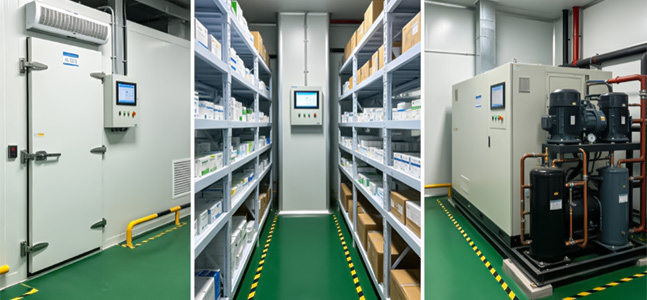
A common design approach is to install two fully independent refrigeration units in a duty-and-standby configuration. Each unit should be capable of independently handling the full refrigeration load. If the primary unit fails, the backup unit can automatically start to maintain the required storage temperature.
For certain critical applications, such as vaccine storage, additional independent cold rooms may be required. Using a separate backup storage facility can provide an extra layer of protection against major equipment failures.
The power supply also needs redundancy. A typical configuration includes:
- Dual power supply: Two independent utility power sources, where available, help reduce the risk of power interruptions.
- UPS: Provides temporary backup power for temperature monitoring, alarms, and control equipment.
- Backup Generator: Supplies power to essential refrigeration and monitoring equipment during extended outages.
These measures help maintain storage conditions and ensure that monitoring and alarm systems remain operational during power failures.
2. Temperature and Humidity Monitoring and Data Traceability
Continuous environmental monitoring is essential for pharmaceutical cold storage. A reliable monitoring system helps operators identify temperature deviations, respond to equipment failures, and maintain records for quality audits.
Key monitoring requirements include:
- Multi-Point Monitoring: Install multiple temperature sensors throughout each storage room rather than relying on a single sensor. Each independent room should have at least two monitoring points as an initial design reference, with additional sensors determined by room size, temperature mapping results, and applicable regulations.
- Data Recording: Temperature readings should be collected at intervals of no more than 10 minutes where required by the monitoring specification. Data must be protected against unauthorized modification and retained for at least five years if required by the applicable regulations or quality management system.
- Multi-Level Alarms: The system should support local audible and visual alarms, SMS notifications, and remote monitoring platform alerts. Responsible personnel should receive immediate notifications when temperatures exceed predefined limits.
A well-designed monitoring system should also support historical temperature curves, user access controls, and reliable data backup. These functions make it easier to investigate temperature deviations and demonstrate compliance during inspections.
3. Warehouse Structure and Hygiene Requirements
The internal structure of pharmaceutical cold storage facilities should support both temperature stability and strict hygiene management.
Wall and floor connections should use rounded corners to eliminate difficult-to-clean areas. Insulation panels and surface materials should also withstand routine cleaning and disinfection, including exposure to alcohol-based products and other approved disinfectants.
Airflow distribution must be carefully designed to maintain consistent temperatures throughout the storage area. For applications requiring high-precision temperature control, the system may be designed to maintain temperature variations within ±0.5°C, subject to product requirements and validation results.
Cold room doors should provide effective sealing to minimize heat infiltration. Buffer areas are also recommended to reduce temperature fluctuations during frequent loading and unloading operations.
4. Validation and Documentation Requirements
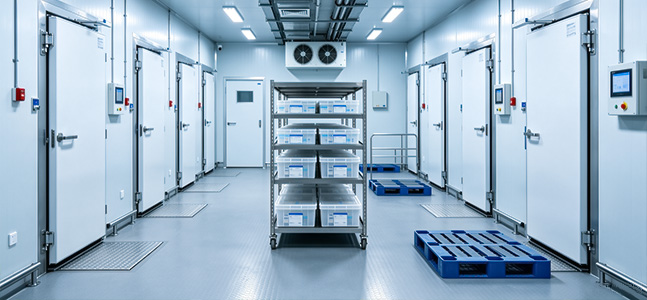
Completing the installation and commissioning of a pharmaceutical cold storage facility does not mean the project is ready for operation. Before storing temperature-sensitive products, the facility should undergo temperature mapping and validation to confirm that it can maintain the required storage conditions.
Temperature mapping evaluates how temperatures vary throughout the storage area and helps identify potential hot spots and cold spots.
Testing should cover different operating conditions, including:
- Empty Storage Conditions: Evaluates temperature distribution without stored products.
- Normal Operating Conditions: Checks temperature stability during routine warehouse operations.
- Loaded Conditions: Where applicable, evaluates airflow and temperature distribution with products occupying the storage area.
A complete validation report should document the testing procedures, temperature readings, results, deviations, and corrective actions. These records provide important evidence for GDP compliance and regulatory inspections.
The monitoring system should also support continuous data recording, alarm notifications, and secure data storage. Where required by local regulations or the customer’s quality management system, integration with external monitoring or regulatory platforms should be considered during the initial design stage.
Common design mistakes that can lead to validation or acceptance problems include:
- Installing redundant refrigeration units without providing an independent monitoring and alarm system.
- Allowing temperature records to be manually modified without proper access controls or audit trails.
- Designing only for standard 2°C to 8°C pharmaceutical storage while overlooking the need for separate -20°C or -80°C rooms for specialized biological products and samples.
A successful pharmaceutical cold storage project requires more than reliable refrigeration equipment. The building structure, backup systems, monitoring technology, and validation procedures must work together to maintain product quality and meet regulatory requirements.
Refrigeration Equipment Selection for Freezer Warehouses
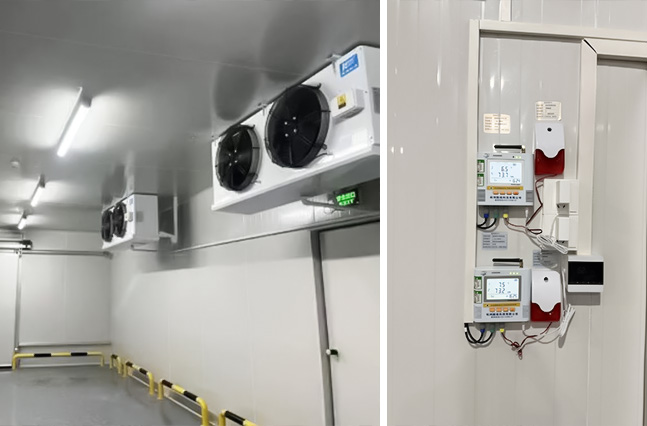
The refrigeration system is the core of any freezer warehouse. Its performance directly affects temperature stability, energy consumption, and the quality of stored products.
A complete refrigeration system typically includes compressors, evaporators, condensers, control systems, insulation panels, cold room doors, and other supporting components.
Selecting the right equipment requires more than considering warehouse size. Storage temperature, product characteristics, refrigeration load, local climate, and daily operating patterns must all be taken into account.
The main selection principles are to match equipment capacity to actual operating conditions, prioritize energy efficiency, simplify maintenance, and provide backup capacity where necessary.
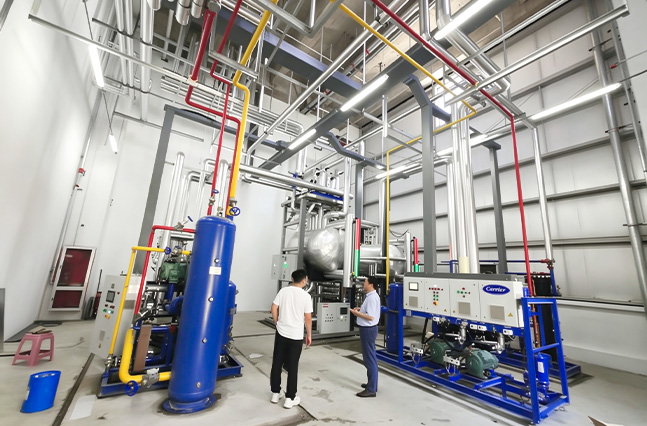
1. Compressors: The Core of the Refrigeration System
The compressor determines much of the refrigeration system’s capacity and operating performance. The appropriate compressor type should be selected according to the required storage temperature, warehouse size, and refrigeration load.
Common options include:
- Scroll Compressors:
Suitable for small and medium-sized high-temperature cold rooms and pharmaceutical temperature-controlled storage. They offer relatively low noise levels and are commonly used in applications with moderate cooling demands. - Semi-Hermetic Reciprocating Compressors:
Suitable for medium- and low-temperature refrigeration applications. They offer flexible configurations and are widely used in conventional cold storage facilities. - Screw Compressors:
Commonly used in large logistics warehouses and high-capacity freezer warehouses. Their capacity can be adjusted to match changing refrigeration loads, making them suitable for large-scale operations. - Two-Stage or Cascade Refrigeration Systems:
Designed for ultra-low-temperature applications operating below -40°C, where a conventional single-stage refrigeration system may not provide sufficient cooling performance.
Refrigerant selection is another important consideration. Low-GWP refrigerants can help reduce environmental impact while meeting applicable regulatory requirements. However, refrigerant choice must also consider system compatibility, operating efficiency, safety, and local availability.
For pharmaceutical cold storage, variable-speed compressors are worth considering. They can adjust cooling output according to actual demand, reduce frequent start-stop cycles, and help maintain more stable temperatures.
2. Evaporators (Unit Coolers)
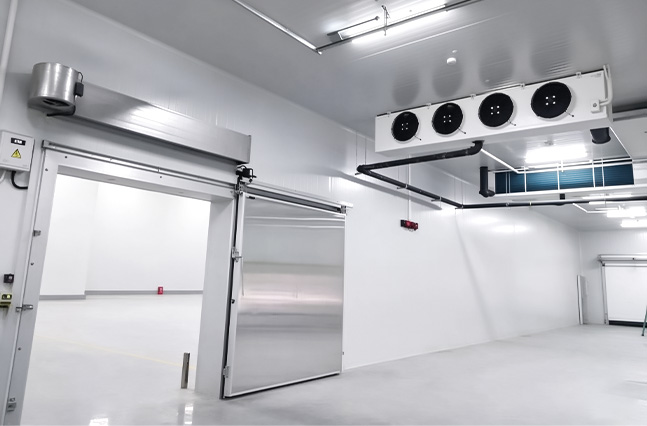
Evaporators, also known as unit coolers, absorb heat from the warehouse and circulate cooled air throughout the storage area.
They are generally classified into high-temperature, medium-temperature, and low-temperature models. One important selection factor is fin spacing, which usually increases as the operating temperature decreases.
For example:
- High-humidity fresh storage facilities may benefit from wider fin spacing to reduce frost accumulation.
- Low-temperature freezer warehouses require larger fin spacing to accommodate heavier frost buildup and maintain effective airflow.
- The final selection should balance heat exchange efficiency, defrost frequency, and operating conditions.
Defrosting is another important factor in evaporator selection. The three common methods are electric defrost, hot-gas defrost, and water defrost.
3. Condensers
The condenser releases heat removed from the warehouse into the surrounding environment. Its heat rejection capacity directly affects refrigeration efficiency and compressor operating conditions.
Two common types are:
- Air-Cooled Condensers:
Relatively easy to install and maintain, making them suitable for small and medium-sized cold storage projects. However, their performance is affected by outdoor temperatures. - Water-Cooled Condensers:
Offer efficient heat exchange and stable operation, making them suitable for large freezer warehouses. They require additional equipment, such as cooling towers and circulating water systems.
In regions with high summer temperatures or limited ventilation, air-cooled condensers should be selected with sufficient heat rejection capacity. Otherwise, excessive condensing pressure may trigger high-pressure protection and cause the refrigeration system to shut down.
4. Automatic Control and Monitoring Systems
Basic temperature controllers are generally sufficient for conventional cold storage. Pharmaceutical cold storage requires an independent temperature and humidity monitoring system connected to a cloud platform.
The system should support real-time monitoring, temperature data recording, multi-level alarms, and user access management. It should also operate independently of the refrigeration control system to ensure continuous monitoring if the refrigeration equipment fails.
5. Supporting Components
Supporting components are essential for reliable refrigeration system operation. Key considerations include:
- Cold Room Doors: Select doors according to opening frequency. High-traffic entrances should be equipped with air curtains.
- Drainage Pipes: Install electric heat tracing to prevent freezing and blockages.
- Refrigeration Accessories: Use vibration isolators, insulated refrigerant pipes, oil return bends, filters, and oil separators as required.
Proper pipe insulation is also important to prevent condensation, dripping water, and energy loss.
Equipment Selection Tip: Bigger Is Not Always Better
Oversized refrigeration units may start and stop too frequently, increasing energy consumption and temperature fluctuations. Undersized units may struggle to maintain the required temperature during hot weather, increasing operating pressure and failure risks.
Always calculate the refrigeration load based on local summer temperatures, incoming product temperatures, and actual warehouse operating conditions.
Freezer Warehouse Storage Layout and Racking Selection
The storage layout and racking selection of a freezer warehouse should be planned in a clear sequence: first define the material flow, then organize storage areas, and finally select suitable equipment. The goal is to balance storage capacity, operating efficiency, and uniform temperature distribution.
1. Four Key Factors to Consider Before Planning
Before designing the storage layout, consider four basic factors:
- Product Characteristics: Pallet dimensions, weight per pallet, and packaging type.
- Inventory Turnover: Number of SKUs, FIFO or LIFO requirements, and daily inbound and outbound volume.
- Warehouse Conditions: Clear height, column spacing, door width, floor load capacity, and evaporator locations.
- Material Handling Equipment: Forklift type, turning radius, and whether shuttle equipment or an automated storage system will be used.
These factors determine the storage layout, aisle width, rack configuration, and equipment requirements.
2. How to Plan Material Flow
Inbound, storage, picking, and outbound operations should follow a clear, preferably one-way flow to reduce unnecessary travel and crossing movements.
High-turnover products should be stored closer to the outbound area, while full-pallet goods with large quantities can be placed deeper inside the warehouse. Small-item picking should be arranged in a separate area to avoid interfering with pallet handling.
Staging, charging, and order-picking areas are best located in the loading corridor or buffer area. If they must be placed inside the cold room, keep them separate from the main storage area and minimize repeated personnel entry.
3. Choosing the Right Racking System
Different racking systems suit different inventory profiles and operating requirements.
- Selective Pallet Racking:
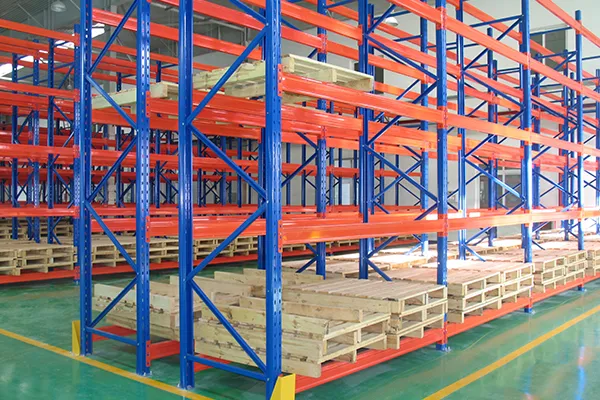
Suitable for multiple SKUs and direct access to individual pallets. It offers flexible storage but requires more forklift aisles. - Double-Deep Racking:
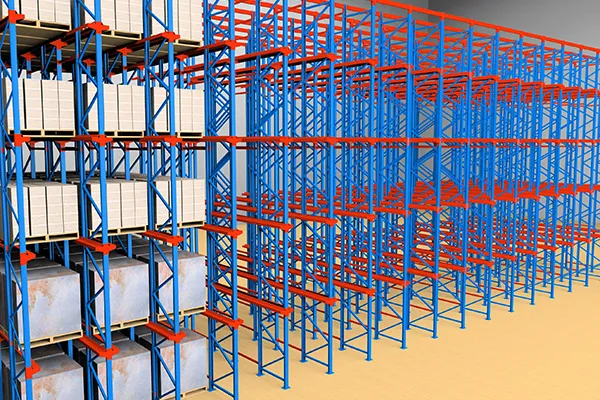
Suitable for standardized products stored in full pallets. It reduces the number of aisles and increases storage density. - Drive-In Racking:
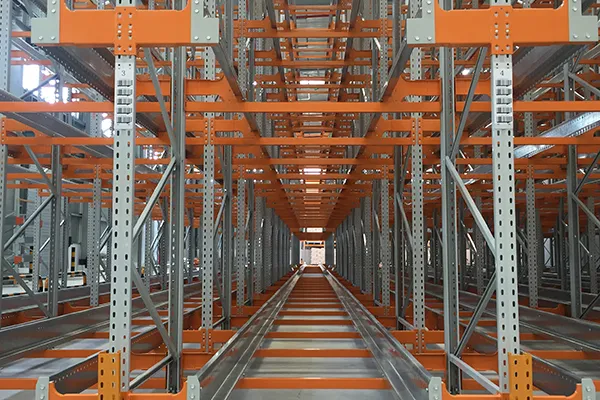
Ideal for a small number of SKUs with large storage quantities. It provides high space utilization and typically follows a LIFO (Last In, First Out) approach. - Shuttle Racking:
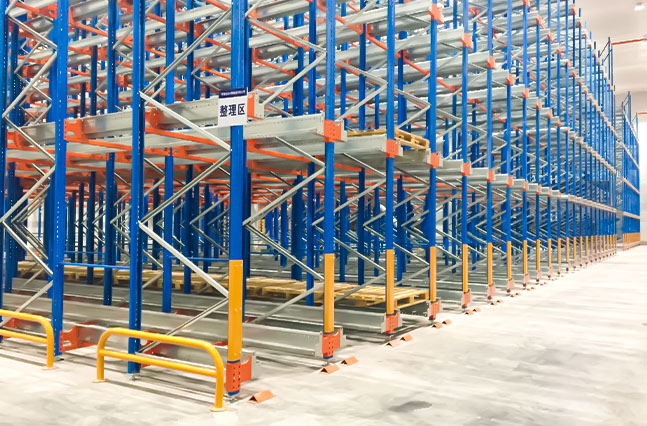
Suitable for medium and large freezer warehouses. Forklifts operate mainly at the ends of storage lanes, improving storage density while reducing forklift travel inside the racks. - Steel Mezzanine Platforms:
Suitable for small items, multiple SKUs, and piece picking. They create additional picking levels and make better use of vertical space.
When a warehouse needs both full-pallet storage and piece picking, a combination of double-deep racking and a steel mezzanine platform can separate the two operations and prevent them from interfering with each other.
HUAYIDE provides one-stop project services, covering engineering planning, design, manufacturing, subcontractor coordination, installation, construction, and support with permit applications and approvals. Based on actual project requirements, we develop customized racking layouts and provide free 3D simulation animations to help customers understand the proposed warehouse design before implementation.
4. Aisle Width and Airflow Requirements
Main aisle widths should be determined by the forklift type and its turning radius. For manual picking operations, an aisle width of at least 80 cm can serve as an initial reference, subject to the actual picking method and safety requirements.
Proper clearance is also important for cold air circulation:
- Keep approximately 30–50 cm between racks and air coolers.
- Leave approximately 20–30 cm between racks and walls.
- Reserve sufficient space above the racks for return airflow.
- Maintain gaps between stored goods to allow cold air to circulate around the pallets.
The exact clearances should be confirmed according to the refrigeration equipment layout and airflow design. Poorly planned spacing can create airflow obstructions and temperature differences between storage locations.
5. Selecting Racking Equipment for Low-Temperature Conditions
Racking in freezer warehouses must withstand low temperatures, high humidity, and frost. Steel materials and fasteners should be suitable for low-temperature conditions. Rack bases should also reduce thermal bridging, while load calculations must consider pallet weight, frost accumulation, and safety factors.
HUAYIDE uses professional testing equipment, including material testing machines, rack upright and beam load testers, as well as coating inspection instruments such as salt spray testers and coating thickness gauges. These tests help verify structural load capacity, coating adhesion, thickness, and corrosion resistance, supporting reliable racking performance in refrigerated and frozen environments.
Automated Storage Systems for Freezer Warehouses
Freezer warehouses present unique challenges for daily operations. Low temperatures make manual handling more difficult, increase equipment requirements, and raise operating costs.
For large frozen food warehouses, food distribution centers, and third-party cold chain logistics facilities, traditional forklift operations may not provide enough storage density or handling efficiency.
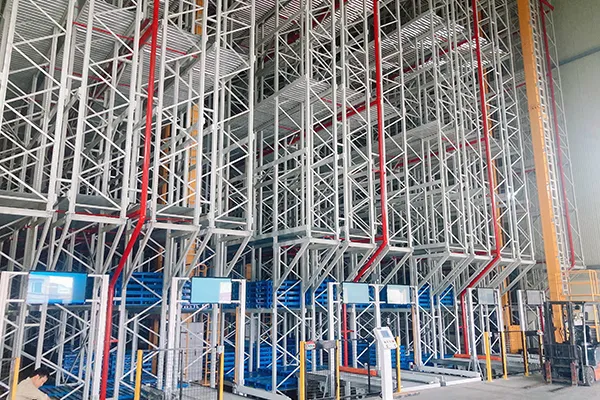
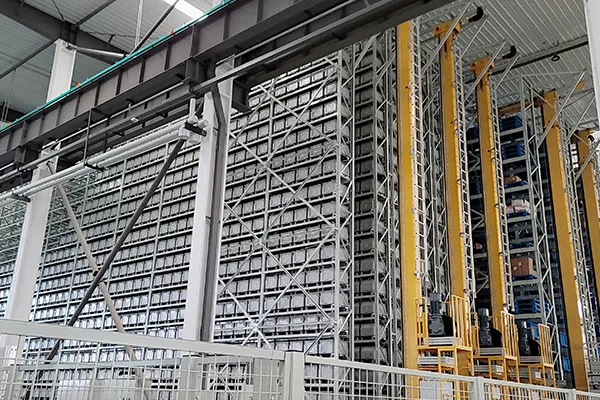
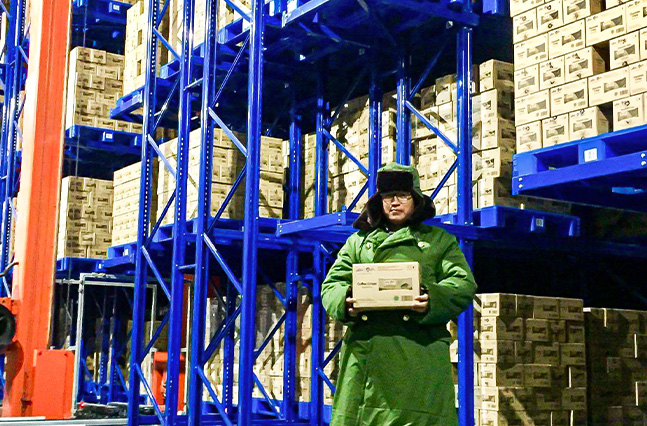
Automated storage systems use specialized equipment to store, move, and retrieve palletized goods. They can improve space utilization, increase operating efficiency, and reduce the need for workers to enter low-temperature storage areas.
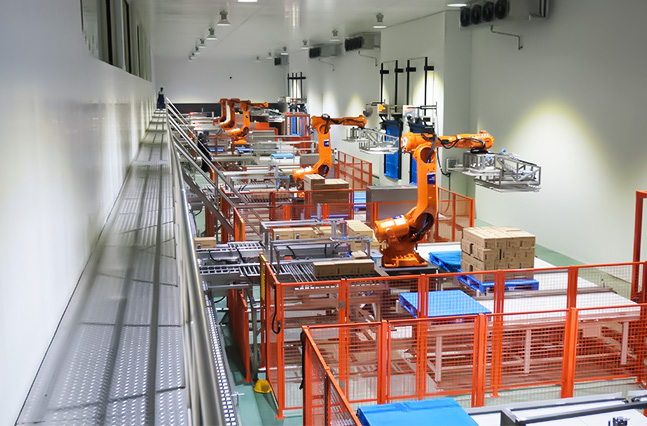
1.Four-Way Pallet Shuttle System
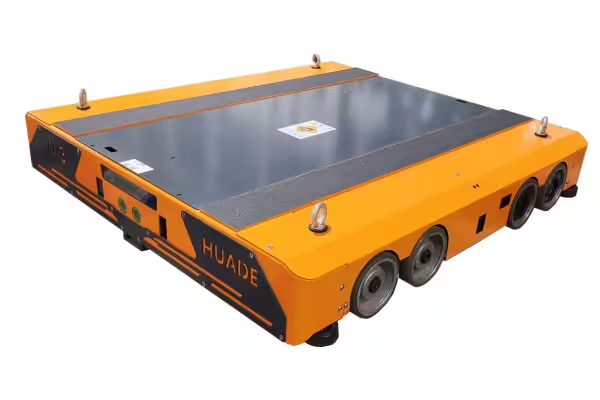
A four-way pallet shuttle system is suitable for freezer warehouses that require high-density pallet storage, handle multiple SKUs, or need flexible storage capacity expansion. Combined with vertical lifts, conveyors, and WMS/WCS software, four-way shuttles can automate pallet transportation between different rack levels.
HUAYIDE can also adapt the system configuration to different project requirements. For example, HUAYIDE developed a four-way shuttle AS/RS project for a medium-sized food processing plant, covering just 500 m² and operating at -20°C. Instead of adopting a complex conventional AS/RS configuration, the project used a simplified combination of four-way shuttles and a stacker-type lifting machine.
This solution allows smaller freezer warehouses to increase storage capacity with a more cost-effective and faster-to-deploy automation solution, while reducing manual handling and labor costs.
2. Stacker Crane AS/RS
Stacker crane AS/RS is a suitable option for large, high-bay freezer warehouses with relatively standardized pallet sizes. It provides automated pallet storage and retrieval, supporting stable and organized warehouse operations.
In 2018, HUAYIDE completed a -18°C automated freezer warehouse project for Aice Ice Cream in Surabaya, Indonesia. The stacker crane AS/RS project has continued to operate reliably since installation, demonstrating its suitability for long-term frozen food storage operations.
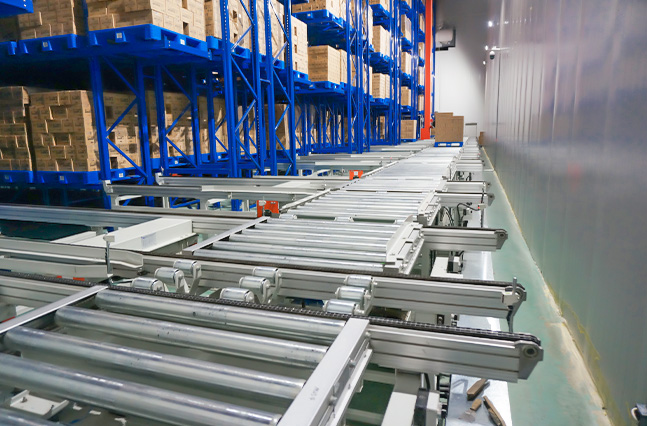
3. Conveyor and Lift Systems
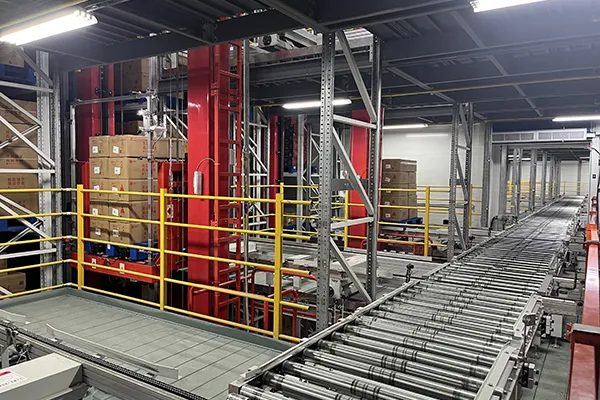
Conveyors and vertical lifts are important components of automated freezer warehouses. They work with four-way shuttles or stacker cranes to create a continuous pallet handling process.
Conveyors transfer pallets between different workstations, while lifts move them between warehouse levels. Together, these components reduce manual handling and forklift transfers, helping improve the efficiency of inbound and outbound operations.
Freezer Warehouse Installation and Maintenance
Even with a well-designed layout and high-quality equipment, poor installation can lead to problems during warehouse operation. Proper construction and regular maintenance are essential for reducing equipment failures, extending service life, and protecting stored goods.
1. Insulated Panel Installation
Insulated panels must be properly aligned during assembly, with all joints fully sealed. The vapor barrier must remain intact to prevent moisture from entering the insulation layer. If the insulation absorbs moisture, its thermal performance will decrease, leading to continuous cooling losses and higher energy consumption.
2. Refrigeration Piping Installation
Copper refrigeration pipes should be brazed under nitrogen protection to prevent oxidation inside the pipes. This helps avoid oxide scale blocking expansion valves during operation.
Piping slopes must meet oil return requirements, and pipe supports should include thermal insulation to prevent thermal bridging. After installation, the system must undergo a pressure leak test and vacuum drying before refrigerant charging. Welding under pressure is strictly prohibited.
3. Equipment and Drainage Installation
Leave sufficient maintenance space when installing evaporators. Drainage pipes must have the correct slope to ensure smooth water discharge. Electric heat tracing should use an independent electrical circuit and be properly grounded to prevent drain pipes from freezing.
4. Electrical Installation
Power circuits and monitoring circuits should be installed separately to reduce interference and improve system reliability. For pharmaceutical cold storage, the monitoring system should have an independent power supply rather than sharing the same circuit as the refrigeration units.
5. Staged System Commissioning
Commissioning should be carried out in several stages:
- Empty-room pull-down test: Check whether the warehouse can reach the required storage temperature.
- Temperature uniformity test: Check temperature distribution throughout the empty warehouse.
- Loaded operation test: Verify system performance under actual storage conditions.
During commissioning, record temperature pull-down curves and key operating parameters. Operation manuals and relevant technical documents should also be provided upon project handover.
6. Personnel and Project Acceptance
Refrigeration work must be performed by qualified technicians in accordance with local regulations. If the refrigeration system or related equipment falls under special equipment regulations, the required registration, inspection, and acceptance procedures must be completed before operation.
Freezer Warehouse Daily Operation and Maintenance
1. Regular Inspection and Preventive Maintenance
Routine maintenance should be divided into daily, monthly, and quarterly inspections:
- Daily Inspection:
Check warehouse temperature curves and alarm records. Inspect door seals for cold air leakage and make sure drainage pipes are clear. - Monthly Maintenance:
Clean dust from condenser fins. Dust buildup reduces heat dissipation, triggers high-pressure alarms, and increases electricity consumption. - Quarterly Maintenance:
Check compressor oil levels, filter driers, solenoid valves, and defrost systems. Inspect door sealing strips for aging or damage and replace worn seals promptly.
2. Daily Operating Management
- Door Opening and Product Stacking:
Minimize the time cold room doors remain open. Arrange goods with sufficient gaps to maintain airflow between pallets and storage locations. - Batch Pre-Cooling:
Avoid moving large quantities of warm products directly into the freezer warehouse. Pre-cool products in batches before storage to prevent sudden increases in refrigeration load. - Confined-Space Operations:
Cold storage entry involves confined-space risks. Follow the procedure of “ventilate first, test the atmosphere, and then enter.” This helps prevent accidents caused by refrigerant leaks or oxygen deficiency. Gas detection alarms and emergency rescue equipment must be available on site, and emergency drills should be conducted regularly.
3. Additional Maintenance Requirements for Pharmaceutical Cold Storage
Pharmaceutical cold storage requires stricter equipment maintenance and documentation to meet temperature control and regulatory traceability requirements.
- Calibrate temperature sensors regularly and archive all calibration records for future inspection.
- Test backup refrigeration units, UPS power supplies, and alarm functions regularly to ensure they work properly during emergencies.
- Record every alarm event, including temperature deviations and corrective actions. Do not wait until a regulatory inspection to complete missing records.
4. Common Causes of Equipment Failures and Rising Energy Costs
Common freezer warehouse problems include aging door seals that allow cold air to escape, dirty condenser fins, frozen or blocked drainage pipes, improper defrost cycle settings, and gradual refrigerant leakage.
Many freezer warehouses experience a noticeable increase in energy consumption after 2–3 years of operation. This is often related to insufficient maintenance of insulation seals and heat rejection equipment. Regular inspection and preventive maintenance can help identify these problems early, reduce energy waste, and extend equipment service life.
Frequently Asked Questions About Freezer Warehouses
1. How Much Land Area Is Needed to Build a Cold Storage Facility?
The required area depends on storage capacity, cargo density, stacking height, and warehouse layout.
A basic calculation formula is:
Cold Storage Area = Storage Tonnage ÷ Cargo Density ÷ Clear Height ÷ Storage Utilization Factor
Typical cargo density is 0.40–0.47 tons/m³ for frozen meat and seafood, and 0.22–0.25 tons/m³ for fruits and vegetables. A clear height of 4–5 meters and a utilization factor of 0.8–0.9 can be used for preliminary estimates.
Allow an additional 10–20% of storage area for sorting, pre-cooling, loading docks, and buffer areas. A medium-sized refrigeration machinery room may require another 20–40 m².
2. What Storage Solutions Are Available for Cold Storage Warehouses?
Common storage solutions include:
- Selective Pallet Racking: Flexible access for multiple SKUs and small batches.
- Double-Deep Racking: Higher storage density for standardized full-pallet goods.
- Drive-In or Shuttle Racking: Suitable for high-density storage of large quantities with fewer SKUs.
- Stacker Crane AS/RS: Suitable for high-bay warehouses with clear heights above 20 meters.
- Four-Way Pallet Shuttle System: Ideal for dense pallet storage and flexible capacity expansion.
- Four-Way Shuttle and Stacker-Type Lifting Machine: Suitable for smaller warehouses with limited height or multiple columns.
The final choice depends on storage requirements, warehouse conditions, handling efficiency, and investment budget.
3. What Temperature Should a Freezer Warehouse Maintain?
The required temperature depends on the stored products. Fresh produce is commonly stored at 0°C to 10°C, while frozen meat and seafood typically require -18°C or lower. Ultra-low-temperature storage may operate at -40°C or below for specialized products.
4. How Can Storage Capacity Be Increased in an Existing Freezer Warehouse?
Storage capacity can be increased by optimizing rack layouts, reducing aisle space, and making better use of vertical clearance. Double-deep racking, shuttle racking, and four-way pallet shuttle systems are common options. Building structure, floor load capacity, and refrigeration airflow must be checked before renovation.
5. Is Warehouse Automation Suitable for Small Freezer Warehouses?
Yes. Small freezer warehouses can use simplified automation solutions, such as four-way shuttles combined with stacker-type lifting machines. These solutions can increase storage capacity, reduce manual handling, and control investment costs without requiring a complex conventional AS/RS configuration.
6. What Factors Affect the Construction Cost of a Freezer Warehouse?
The main cost factors include building structure, insulation materials, refrigeration equipment, racking systems, automation level, and supporting facilities. The final budget should consider both initial investment and long-term operating costs.
7. How Can Energy Consumption Be Reduced in a Freezer Warehouse?
Use proper insulation, energy-efficient refrigeration equipment, and optimized airflow. Reduce unnecessary door opening, maintain condenser and evaporator performance, and inspect door seals and defrost systems regularly. Automated handling can also reduce unnecessary personnel movement inside low-temperature areas.