Introduction
Automated Conveyor Solution has emerged as the circulatory system of the modern warehouse, seamlessly transporting goods from receiving docks to storage zones, from picking stations to packing areas, and ultimately to shipping bays without the friction of manual intervention. In an age where e-commerce giants promise same-day delivery and manufacturing facilities operate on just-in-time principles, the automated conveyor system has transcended its humble origins as a simple belt moving boxes from point A to point B. Today’s intelligent conveyor networks incorporate sensors, sorting mechanisms, barcode scanners, and warehouse control software to create a synchronized material flow that underpins the efficiency of every contemporary distribution center. For businesses seeking to remain competitive in an increasingly demanding marketplace, understanding the transformative potential of automated conveyor solutions is not merely advantageous—it is essential.
Understanding Automated Conveyor Technology
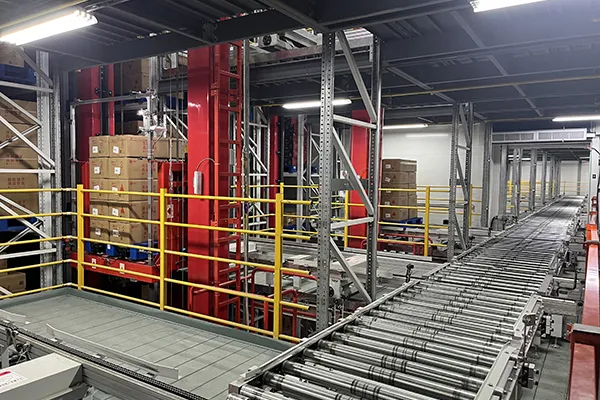
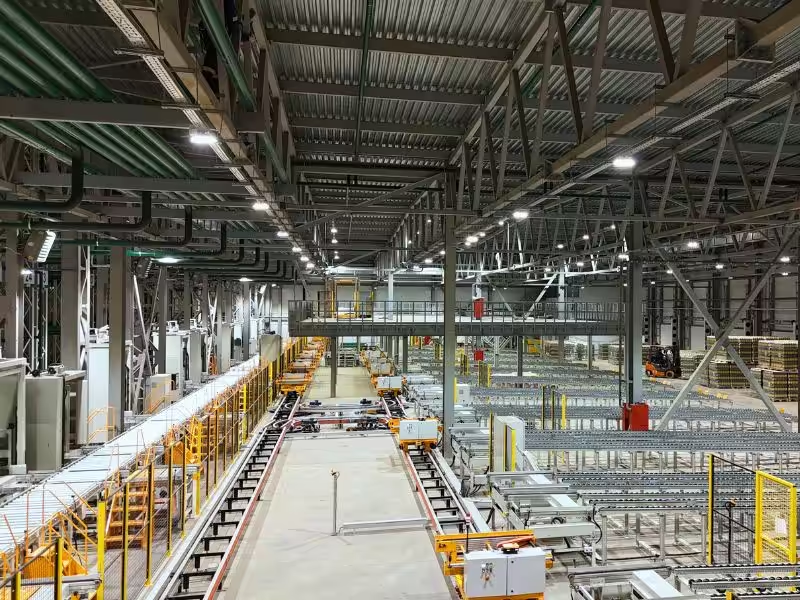
An automated conveyor system represents far more than a series of motorized rollers or belts. It constitutes an integrated material handling ecosystem designed to move products through predetermined pathways with precision timing and minimal human involvement. Modern automated conveyor solutions encompass a diverse family of equipment types, each engineered for specific load characteristics and operational requirements. Belt conveyors handle irregular or loose items with a continuous surface. Roller conveyors excel at moving cartons and totes using gravity or motorized zones. Chain-driven conveyors manage heavy pallets and durable goods. Specialized variants such as spiral conveyors achieve vertical elevation changes within compact footprints, while sortation conveyors divert products to multiple destinations based on real-time scanning data. The common thread uniting all these configurations is automation—the reduction or elimination of manual material transport that consumes labor hours, introduces variability, and constrains throughput capacity.
Accelerating Warehouse Throughput and Order Fulfillment
The most immediate and measurable benefit of deploying an automated conveyor solution lies in the dramatic acceleration of warehouse throughput. In manual operations, workers spend a substantial portion of their shifts walking between locations, pushing carts, or operating forklifts to move individual loads. These travel activities consume time without adding value to the product itself. An automated conveyor system eliminates this non-value-added movement by establishing continuous, predictable material flow paths that operate at consistent speeds regardless of shift timing, worker fatigue, or labor availability. Products entering the system at receiving are transported directly to putaway stations, cross-docking lanes, or quality inspection zones without waiting for available personnel. Similarly, items picked for customer orders flow immediately to packing benches, manifesting stations, and outbound staging areas. The cumulative effect of eliminating transport delays at every handoff point multiplies across thousands of daily transactions, enabling facilities equipped with automated conveyor technology to process significantly higher order volumes within the same operational hours.
- Continuous material flow eliminates waiting time between process steps
- Consistent transport speeds enable precise throughput planning and labor scheduling
- Reduced walking and travel distances allow workers to focus on value-added tasks
- Higher order volumes processed without proportional increases in staffing levels
- Peak season scalability without the chaos of temporary labor onboarding
Reducing Operational Costs and Labor Dependency
Labor availability has become one of the most persistent challenges confronting warehouse operators across global markets. Competition for qualified workers intensifies annually, driving wage inflation while simultaneously increasing turnover rates that erode operational stability. An automated conveyor solution directly addresses this challenge by reducing the number of personnel required to move materials throughout a facility. Where manual operations might require dedicated material handlers, tugger operators, or forklift drivers simply to transport goods between zones, automated conveyors perform these functions continuously without adding headcount. The labor that remains can be redeployed to higher-skill activities such as quality control, exception handling, or customer service—roles that contribute more directly to business outcomes. Beyond pure headcount reduction, automated conveyor systems minimize costs associated with workplace injuries. Manual material handling remains a leading cause of musculoskeletal disorders, strains, and sprains in warehouse environments. By mechanizing the transport function, conveyors eliminate the repetitive lifting, carrying, and pushing that generate these injuries, reducing workers’ compensation claims and lost time incidents.
Enhancing Order Accuracy Through Integrated Controls
Order accuracy represents a critical performance metric in modern warehousing, directly impacting customer satisfaction, return rates, and brand reputation. Automated conveyor solutions contribute to accuracy improvements through tight integration with warehouse management and control systems. As products travel along conveyor lines, they pass through scanning stations that verify item identity, count quantities, and confirm routing destinations. Divert mechanisms activated by scan data ensure that each item follows the correct path to its intended destination, whether that be a specific packing station, a quality hold area, or a shipping lane. This system-directed routing eliminates the misdirection errors that occur when workers manually sort items or transport them to incorrect locations. Furthermore, the automated conveyor system creates a digital audit trail documenting the movement of every item through the facility, providing the traceability data essential for investigating discrepancies and continuously improving process accuracy.
Modular Design and Scalable Configuration
A distinguishing characteristic of premium automated conveyor solutions is their modular architecture, which enables facilities to start with a core system and expand incrementally as business volumes grow. Unlike fixed infrastructure that requires wholesale replacement when capacity limits are reached, modular conveyor components can be reconfigured, extended, or repurposed with relative ease. Additional conveyor sections connect to existing lines through standardized interfaces. New sortation points can be inserted into established flow paths. Elevated sections can be added to bridge obstacles or create new routing options. This scalability protects the initial investment by ensuring that the automated conveyor system evolves alongside the business rather than becoming a constraint on growth. For companies anticipating expansion—whether through organic growth, acquisition, or seasonal fluctuation—modular conveyor design provides the flexibility to scale capacity without the disruption and capital expenditure of complete system replacement.
- Standardized component interfaces enable incremental system expansion
- Existing conveyor lines can be reconfigured as operational requirements change
- Additional sortation and routing points integrate without system shutdown
- Elevated and mezzanine configurations exploit vertical space for expanded capacity
- Investment protection through adaptability to future business needs
Integration with Warehouse Automation Ecosystems
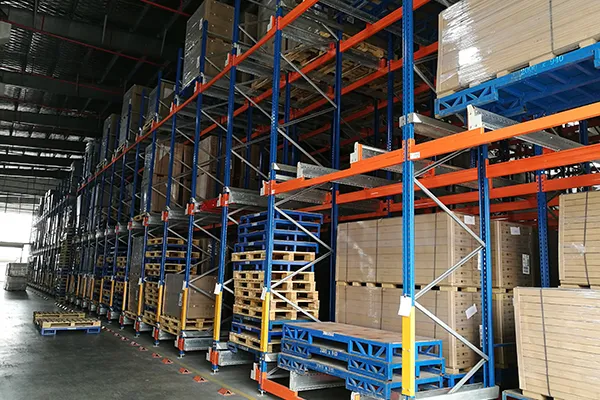
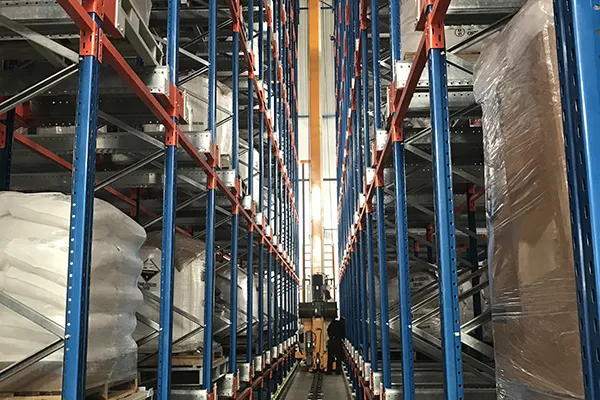
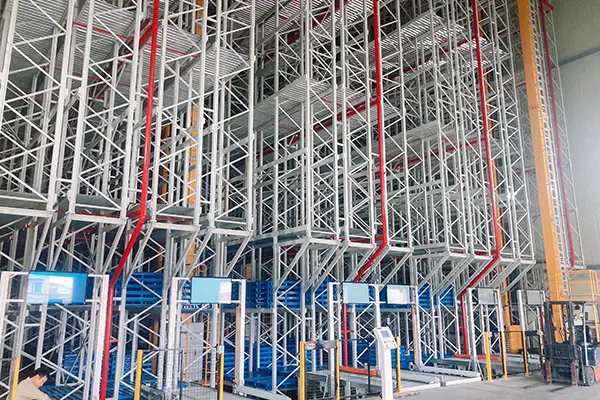
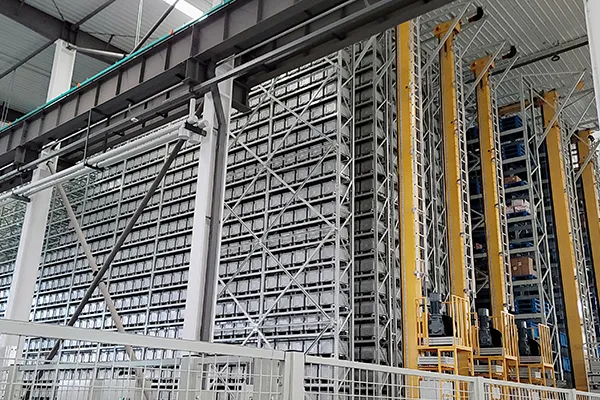
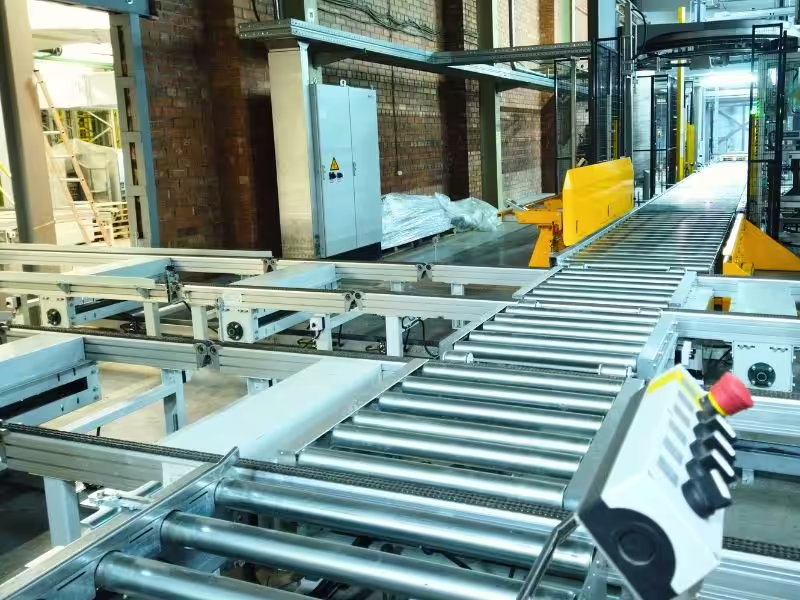
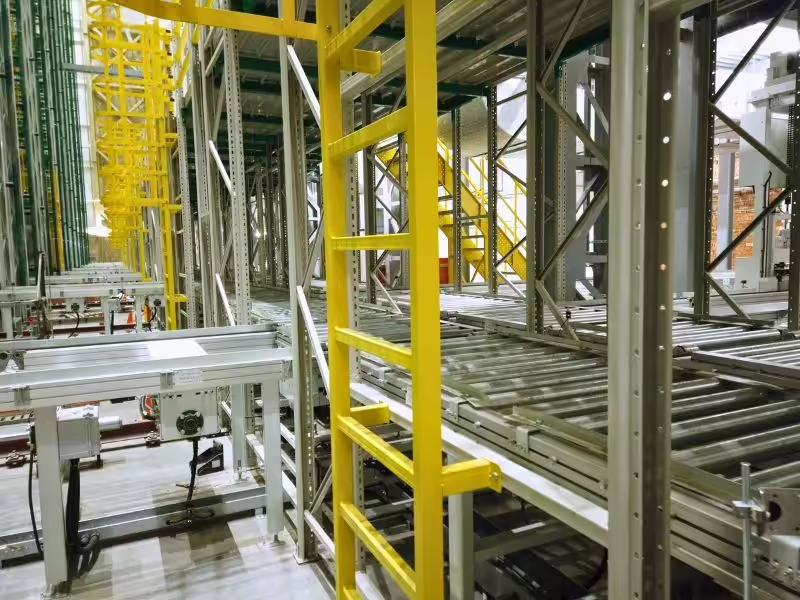
The true power of an automated conveyor solution manifests when it operates as part of a broader warehouse automation ecosystem. Conveyors serve as the connective tissue linking disparate automated systems into a cohesive whole. At receiving, conveyors transport inbound goods from unloading areas to automated storage and retrieval systems or pallet shuttle racking input stations. Within picking zones, conveyors deliver totes to goods-to-person workstations where operators or robotic arms perform item selection. In packing areas, conveyors route completed orders past automatic dimensioning systems, weigh scales, and label applicators before directing them to the appropriate shipping lane. This integration capability means that an automated conveyor investment creates value that extends far beyond the transport function itself—it enables the seamless orchestration of all automated subsystems within the facility. Warehouse execution software coordinates these interactions, optimizing the flow of goods across conveyors, through storage systems, and into outbound staging to achieve end-to-end process automation.
The Right Conveyor Type for Your Application
The diversity of automated conveyor technologies available can appear daunting, but this variety ensures that an optimal solution exists for virtually any material handling requirement. The selection process begins with a thorough characterization of the products to be conveyed, including dimensions, weight, packaging type, and any special handling requirements such as temperature sensitivity or fragility. Operational parameters such as required throughput rate, available floor space, and integration requirements with existing equipment further narrow the options. The following table summarizes common conveyor types and their ideal applications.
| Conveyor Type | Best Suited Application | Key Advantage |
| Belt Conveyor | Irregular items, loose materials, incline transport | Continuous surface prevents product fall-through |
| Roller Conveyor | Cartons, totes, uniform packages | Modular zone control for accumulation and release |
| Chain Conveyor | Heavy pallets, durable goods, high-temperature items | Exceptional load capacity and durability |
| Spiral Conveyor | Vertical elevation changes in tight footprints | Space-efficient height transition without long inclines |
| Sortation Conveyor | High-volume distribution, e-commerce fulfillment | Automated divert to multiple destinations at high speed |
Safety Systems and Ergonomic Benefits
Safety considerations permeate every aspect of automated conveyor system design. Modern conveyor solutions incorporate comprehensive safeguarding features that protect personnel while maintaining operational efficiency. Emergency stop pull cords run the length of conveyor lines, enabling immediate shutdown from any point. Light curtains and safety gates prevent access to hazardous areas during operation. Guarding encloses pinch points at belt-roller interfaces, drive mechanisms, and transfer points. These engineered safeguards work in concert with operational protocols to create a working environment where personnel can interact with the conveyor system confidently. Beyond direct safety features, automated conveyors deliver substantial ergonomic benefits by eliminating the manual lifting, carrying, pushing, and pulling that contribute to worker fatigue and injury. Products are presented at ergonomically optimal heights at workstations, reducing bending, reaching, and overhead lifting. The cumulative effect of these ergonomic improvements manifests in reduced injury rates, lower absenteeism, and improved workforce morale.
Calculating Return on Investment
The decision to invest in an automated conveyor solution ultimately rests on a compelling return on investment calculation. While the initial capital outlay for conveyor equipment, controls, and installation is significant, the operational savings generated over the system’s service life typically produce payback periods measured in months or a few years rather than decades. Labor cost reduction represents the most immediate and quantifiable benefit, with automated conveyors eliminating or reducing material handler positions across multiple shifts. Throughput improvements enable higher revenue generation from the same facility footprint. Accuracy gains reduce the costs associated with returns processing, customer service interventions, and reshipment. Injury reduction lowers workers’ compensation premiums and lost time expenses. When these factors are aggregated over a system lifespan that commonly exceeds fifteen years with proper maintenance, the financial case for automated conveyor implementation becomes compelling for operations of sufficient scale and transaction volume.
Future Trends in Conveyor Automation
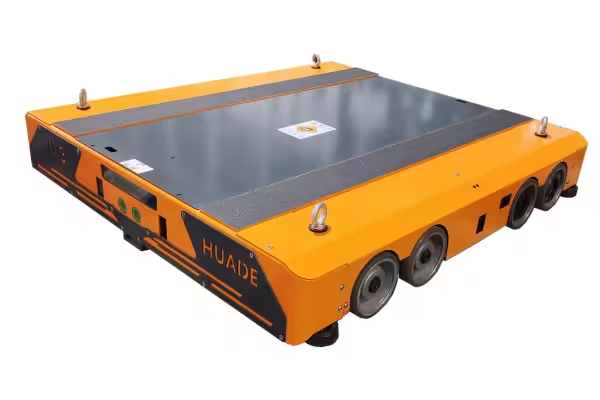
The evolution of automated conveyor solutions continues to accelerate, driven by advances in sensor technology, artificial intelligence, and connectivity. Emerging trends include predictive maintenance capabilities that use vibration analysis and thermal imaging to detect component degradation before failure occurs. Energy-efficient motor technologies reduce power consumption during both operation and idle periods. Enhanced integration with autonomous mobile robots creates hybrid systems where conveyors handle fixed-path transport while robots manage flexible, variable-destination movements. Digital twin technology enables operators to simulate system changes and optimize performance parameters in a virtual environment before implementing modifications in the physical system. These innovations ensure that automated conveyor solutions will remain at the forefront of warehouse automation for decades to come, continuously expanding the boundaries of what is possible in material handling efficiency.
Conclusion
The automated conveyor solution stands as a foundational element of modern warehouse operations, delivering transformative improvements in throughput, accuracy, labor efficiency, and workplace safety. From basic transport functions to complex sortation and integration with enterprise-wide automation ecosystems, today’s conveyor systems offer capabilities that extend far beyond simple material movement. For businesses navigating the challenges of e-commerce growth, labor market constraints, and escalating customer expectations, the automated conveyor represents not merely an equipment purchase but a strategic investment in operational competitiveness. We invite you to contact our team of material handling specialists to discuss how a customized automated conveyor solution can address your unique operational challenges, enhance your distribution capabilities, and position your business for sustained success in an increasingly demanding marketplace.