Introduction
High Density Racking System is the cornerstone of modern warehousing, designed to dramatically increase storage capacity within the same footprint. In an era where logistics efficiency and real estate costs are paramount, these systems offer a strategic solution by intelligently sacrificing a degree of immediate accessibility for vastly superior space utilization. This innovative approach compresses non-storage space, such as aisles, through designs that allow for deeper storage, movable structures, or automated retrieval, making it a critical investment for businesses aiming to scale operations without expanding their physical premises.
Core Concept and Principle
At its heart, a High Density Racking System redefines traditional storage layouts. The fundamental principle involves reducing the number of access aisles, increasing storage depth per lane, or enabling dynamic movement of pallets within the rack structure. This stands in contrast to conventional selective racking, which prioritizes direct access to every single pallet at the expense of floor space. The trade-off is strategic: by slightly limiting random access selectivity, businesses can achieve storage density increases of up to 90% compared to standard setups. These systems often require specialized equipment for operation, such as narrow-aisle forklifts, reach trucks, or fully automated guided vehicles (AGVs), and demand high standards in warehouse floor flatness and load uniformity.
Key Components and Structure
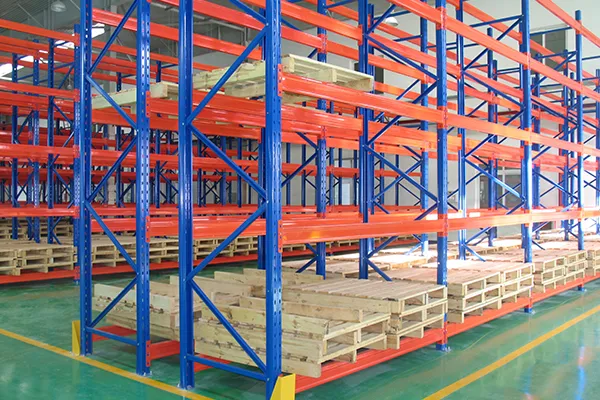
A robust High Density Racking System is more than just steel beams; it’s an integrated solution. The primary structural components include upright frames, beams, and bracing, which are engineered for exceptional load-bearing capacity. The distinctive elements come into play with the storage mechanism itself:
- Load Supports: These include roll-formed rails for push-back systems, slightly inclined roller tracks for flow racks, or fixed arms for drive-in racks.
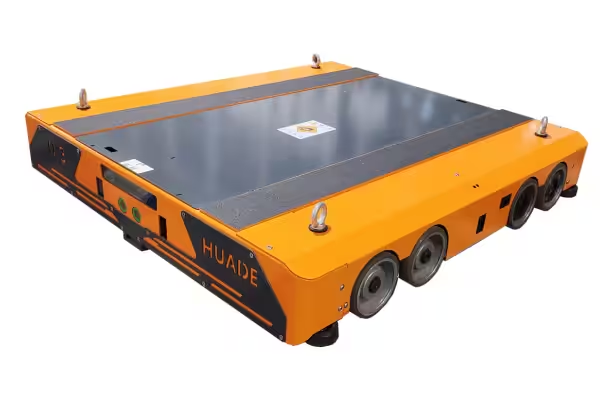
- Dynamic Elements: Systems may incorporate shuttle carts, carriage mechanisms for mobile bases, or integration points for stacker cranes.
- Safety Systems: Integral safety features such as end guards, column protectors, rail stops, and safety locks on mobile bases are non-negotiable.
- Control Integration: For semi-automated and automated variants, the system seamlessly interfaces with Warehouse Control Systems (WCS) and Warehouse Management Systems (WMS), orchestrating the movement and inventory tracking.
Main Classifications and Types
Choosing the right type of high-density storage solution depends on your inventory profile (SKU count, turnover rate) and operational goals. Below is a comparative overview of popular systems:
| System Type | Storage Method | Best For | Key Advantage |
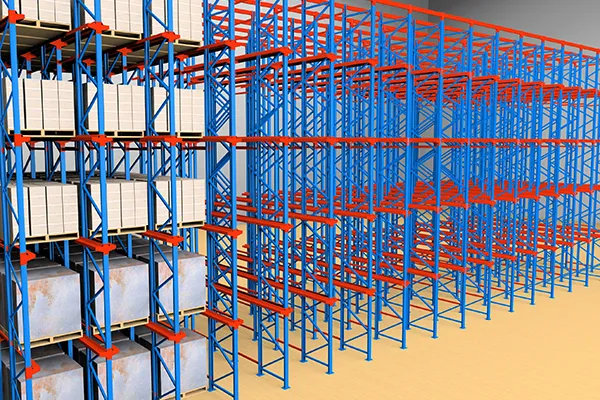
| Drive-In / Drive-Through Racking | Forklift drives into rack structure | Bulk, low-SKU, FIFO/LIFO | Maximum density, low cost per pallet |
| Push-Back Racking | Pallets stored on nested carts | Medium turnover, multiple SKUs | High density with good selectivity |
| Pallet Flow Racking | Gravity moves pallets on rollers | High turnover, FIFO | Excellent throughput, automated rotation |
| Mobile Pallet Racking | Entire rack rows move on rails | Slow-moving, high-value goods | Ultra-high density, flexible access |
| Shuttle Racking | Automated shuttle runs on rails | High-volume, automated operations | High density & high throughput |
- Double-Deep Racking: A simple yet effective high-density pallet racking solution where pallets are stored two deep. It requires a deep-reach forklift and operates on a Last-In, First-Out (LIFO) basis, offering a good balance between increased density and maintained accessibility.
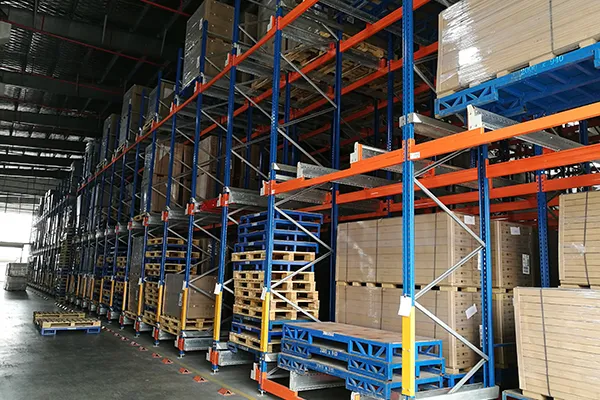
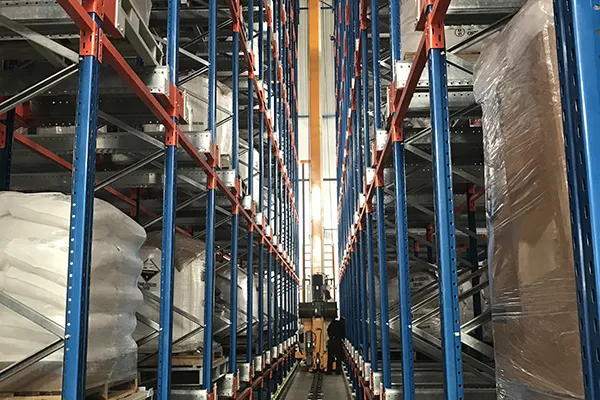
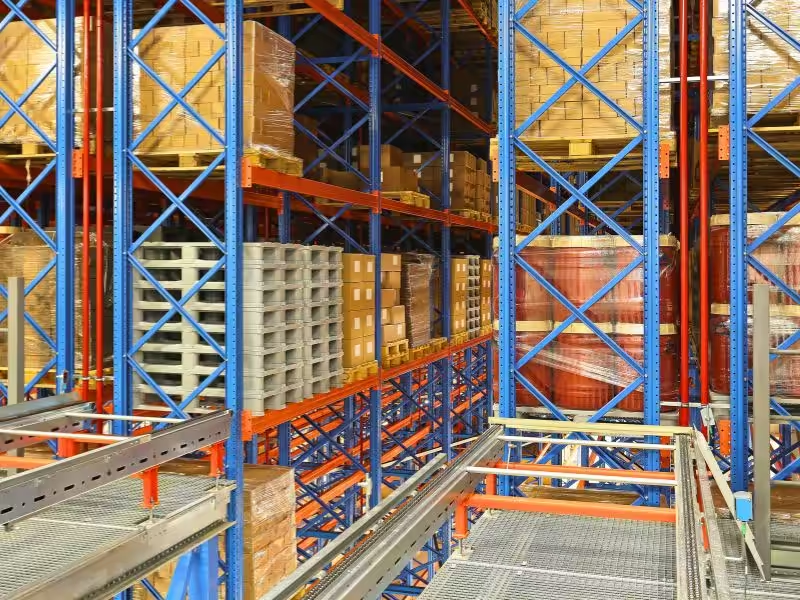
- Shuttle Racking System: This semi-automated dense storage system uses a radio-controlled shuttle that runs on rails within a rack channel. The shuttle transports pallets to the deepest locations, which are then retrieved on demand. It supports both FIFO and LIFO, is ideal for cold storage environments to reduce worker exposure, and can achieve space utilization exceeding 80%.
Core Functions and Benefits
Implementing a High Density Racking System delivers transformative advantages that directly impact the bottom line:
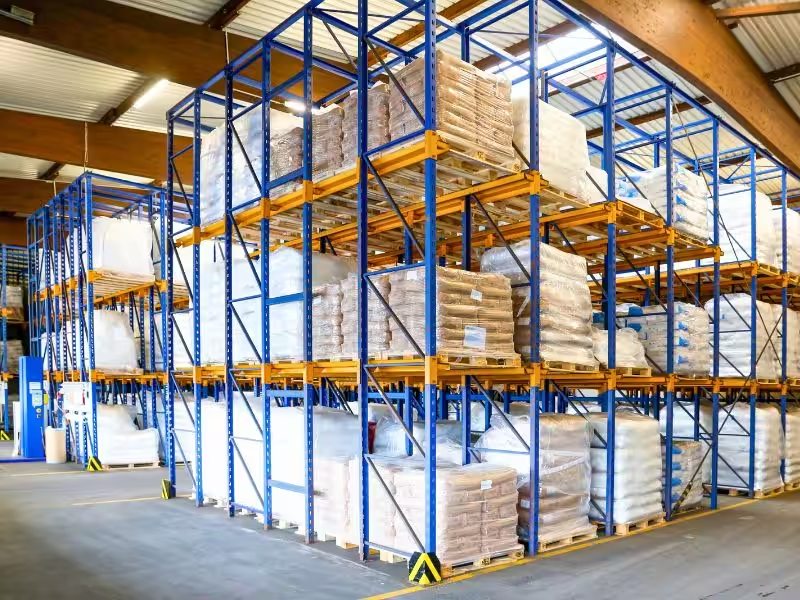
- Radical Space Savings: The primary benefit is the dramatic increase in storage capacity—often between 45% to 90%—within the same warehouse area, effectively delaying or eliminating the need for costly expansion.
- Enhanced Operational Efficiency: Systems like pallet flow and shuttle racking streamline the picking process, reduce travel time for forklifts, and can significantly increase overall warehouse throughput.
- Improved Inventory Management: Integrated with WMS, these systems enable precise tracking and control. FIFO or LIFO methods can be enforced automatically, which is crucial for perishable goods or batch-managed products.
- Increased Safety: By reducing the need for forklifts to enter narrow or deep rack structures (as in shuttle systems), the risk of accidents and product damage is lowered. Mobile racking also confines forklift activity to a single open aisle at a time.
- Long-Term Cost Reduction: While the initial investment can be higher, the savings from optimized space, reduced labor costs, lower error rates, and improved inventory turnover yield a compelling return on investment.
Industry Applications and Market
The application of High Density Racking Systems spans across industries where storage space is at a premium or inventory characteristics demand specific handling.
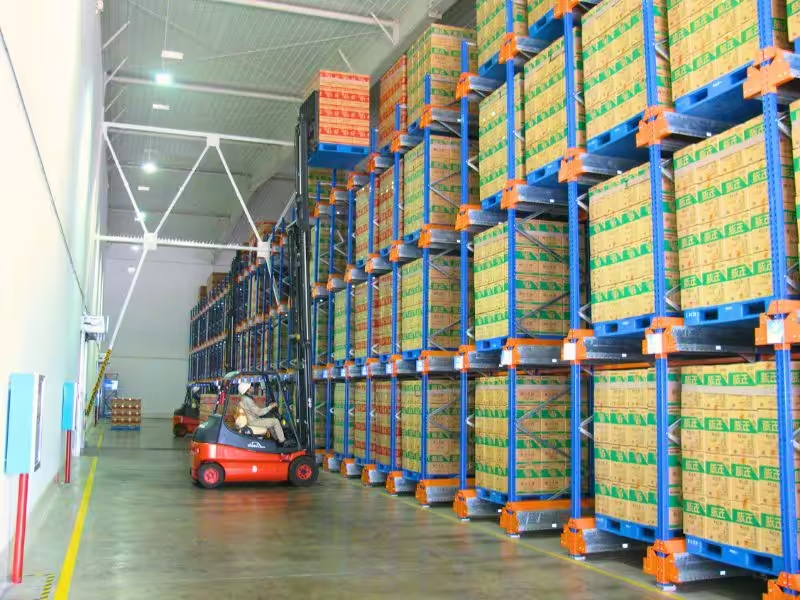
- Food & Beverage / Cold Storage: Crucial for enforcing FIFO to ensure product freshness and for maximizing expensive cold storage space.
- E-commerce & Logistics: Supports the storage of a large volume of homogeneous goods and facilitates fast order fulfillment in distribution centers.
- Manufacturing: Ideal for storing raw materials and components in bulk, supporting just-in-time production lines.
- Chemical & Pharmaceutical: Provides secure, high-density storage for batch-controlled and often regulated products.
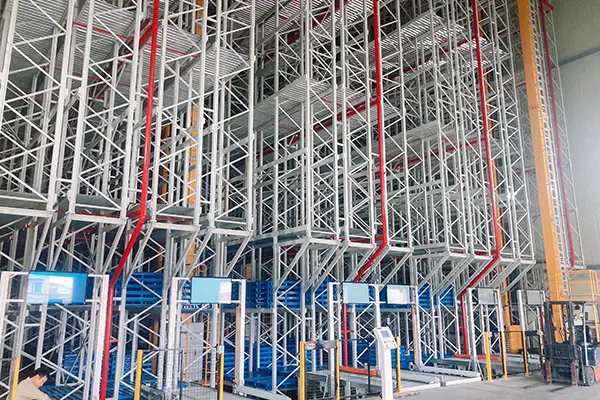
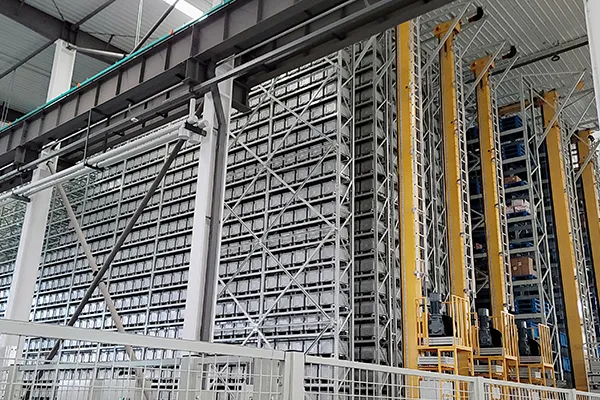
The global market for these systems is experiencing steady growth, driven by the relentless expansion of e-commerce, the need for supply chain resilience, and rising real estate costs. The trend is moving towards greater automation, with systems integrating seamlessly with robotics and intelligent software to form the backbone of smart warehouses.
Installation and Maintenance
Proper implementation is key to unlocking the full potential of a dense storage racking system.
- Professional Installation: Installation must be carried out by certified professionals. It requires precise assessment of floor conditions (flatness, load-bearing capacity), seismic considerations, and strict adherence to the manufacturer’s specifications and local safety codes.
- Routine Inspection and Maintenance: A scheduled maintenance program is essential. This includes checking for structural damage (dents, bends), ensuring all bolts and connections are tight, verifying the smooth operation of moving parts (shuttles, carriage wheels, rollers), and inspecting safety devices.
- Operator Training: Personnel must be thoroughly trained on the specific operating procedures of the system, including load limits, proper handling techniques, and safety protocols to prevent misuse and accidents.
- Load Management: It is critical never to exceed the designated load capacities and to ensure loads are evenly distributed and properly positioned on the rack beams.
Conclusion
A High Density Racking System is not merely a storage product; it is a strategic logistics solution that transforms warehouse operations from a cost center into a competitive advantage. By intelligently maximizing cubic space, enhancing inventory control, and improving operational safety and efficiency, it addresses the core challenges of modern supply chains. Whether through semi-automated shuttle systems or dynamic mobile racking, investing in the right high-density solution is a definitive step towards future-proofing your logistics infrastructure, enabling scalable growth, and achieving superior ROI in an increasingly space-constrained and efficiency-driven world. The key is to find a solution that suits you.