Introduction
Shuttle Racking is no longer a peripheral innovation; it has cemented its place as a cornerstone technology in the architecture of modern automated warehouses. In an era defined by relentless pressure for faster fulfillment, optimal space utilization, and leaner operations, the choice of storage system can dictate the rhythm of an entire supply chain. Moving beyond traditional static shelving or even drive-in racks, automated shuttle systems represent a paradigm shift towards intelligent, high-density, and flexible storage solutions. This article delves into the core of shuttle racking systems, exploring their critical importance, ideal applications, and the tangible advantages they deliver across diverse industries.
Understanding the Core Technology
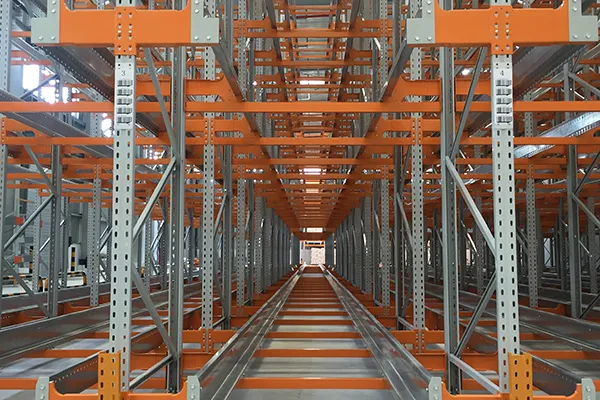
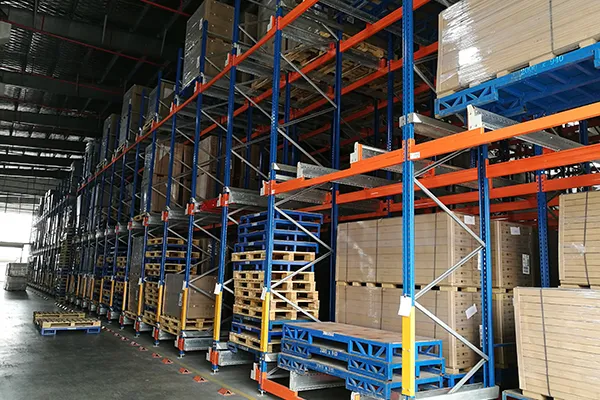
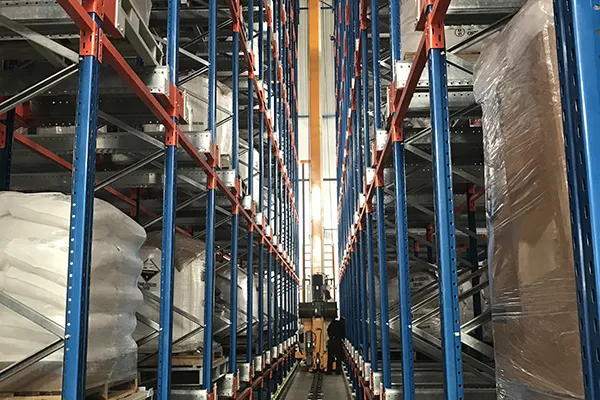
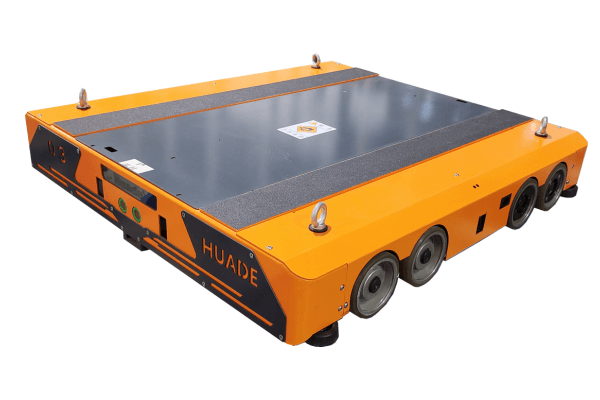
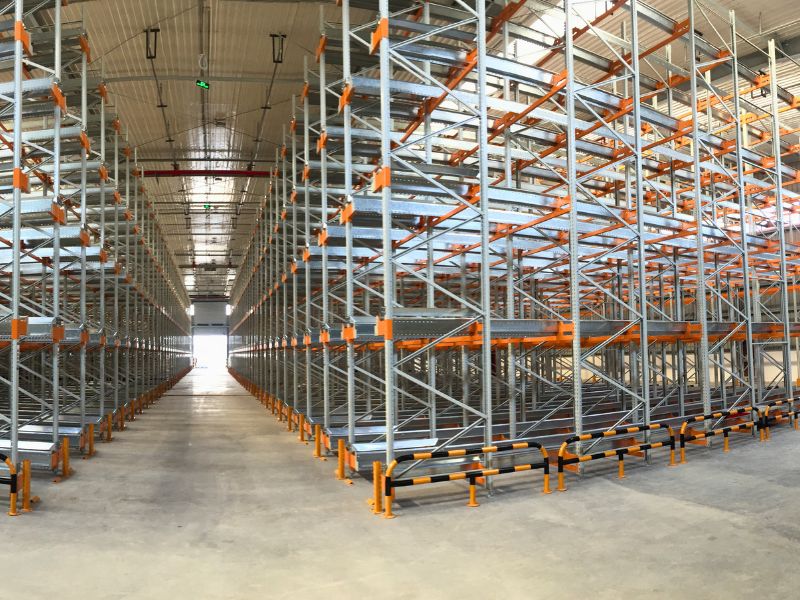
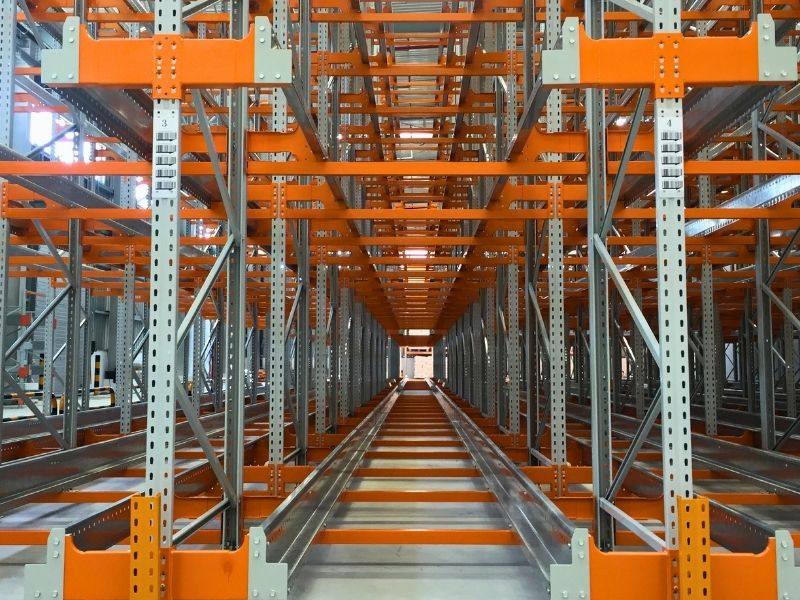
At its heart, a pallet shuttle system is a semi-automated or fully automated storage solution where a battery-powered, radio-controlled shuttle car operates on rails within deep storage lanes of a racking structure. The fundamental workflow is elegantly efficient: a forklift places a pallet at the entrance of a storage channel. The shuttle, either autonomously or via operator command, then transports the load deep into the lane, positioning it at the next available spot. For retrieval, the process is reversed. This simple yet powerful mechanism unlocks several technical key points that define its superiority.
- High-Density Storage Architecture: The system is designed for depth, creating storage channels that can extend up to 40 meters or more, dramatically increasing storage capacity within the same warehouse footprint. It transforms wasted aisle space into productive storage volume.
- Dual Inventory Rotation (FIFO & LIFO): Unlike many compact systems locked into a single method, shuttle racking offers remarkable flexibility. It can be configured for First-In-First-Out (FIFO) for perishable goods or Last-In-First-Out (LIFO) for non-perishable stock, providing adaptable inventory management.
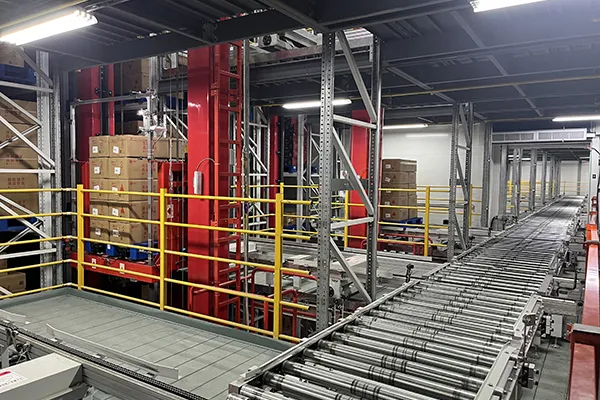
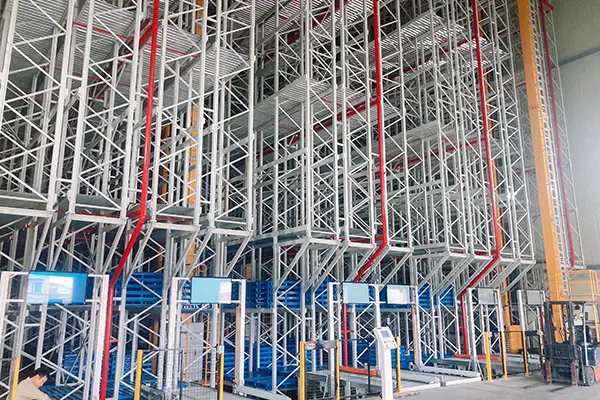
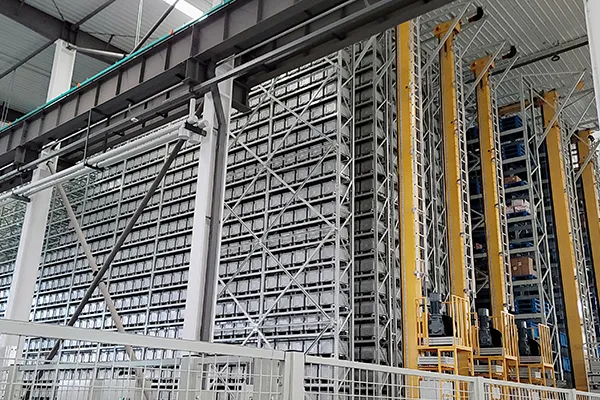
- System Evolution: From 2-Way to 4-Way: Basic systems feature shuttles that move linearly (forward/backward), ideal for long, straight lanes. The advanced evolution is the four-way shuttle system, where shuttles can move laterally across lanes and vertically via lifts, creating a truly three-dimensional, grid-based storage matrix. This eliminates the need for forklifts to move shuttles between lanes, enabling fully automated, goods-to-person operations.
- Integration with Warehouse Management: Modern systems are governed by sophisticated Warehouse Management System (WMS) and Warehouse Control System (WCS) software. These systems provide full knowledge of every pallet’s location, enable automated task scheduling, and optimize shuttle movements for maximum throughput.
Where Shuttle Racking Systems Excel: Ideal Applications and Industries
Not every warehouse needs a shuttle system, but for the right operation, it is transformative. Its value is most pronounced in specific scenarios and sectors.
Products and Operational Scenarios Demanding a Shuttle System:
- High-Volume, Low-SKU Inventory: Operations that store large quantities of a limited number of stock-keeping units (SKUs) are perfect candidates. Think beverage distribution, canned food, or bulk raw materials.
- Seasonal or Fluctuating Demand: Businesses with peak seasons benefit from the system’s ability to handle mass inflows and outflows efficiently, acting as a dynamic storage buffer.
- Cold Storage and Freezer Warehouses: This is a standout application. The system minimizes the volume of space that needs to be cooled and drastically reduces the time personnel spend in harsh environments, leading to significant energy and safety savings.
- Operations Prioritizing Space over Immediate Access: When land is expensive or space is physically constrained, maximizing cubic storage density becomes the top priority, making shuttle racking the logical choice.
Industries and Companies That Benefit Most:
- Food & Beverage and Fast-Moving Consumer Goods (FMCG): For handling pallets of drinks, packaged foods, and household goods with high turnover.
- Third-Party Logistics (3PL) Providers: Flexibility and efficiency are their currency. Shuttle systems allow them to serve diverse clients with different inventory profiles within a high-density footprint.
- Chemical and Pharmaceutical Manufacturing: Often requires batch tracking (supported by FIFO/LIFO control) and efficient storage of raw materials or finished products in controlled environments.
- E-commerce Fulfillment Centers for Bulk Items: For storing large quantities of popular items before they are broken down for individual order picking.
- Any Company Facing Rising Operational Costs and Space Constraints: The return on investment is compelling for businesses battling inefficient space use, high labor costs, and the need for faster cycle times.
The Compelling Advantages: Beyond Just Storage
Implementing a shuttle racking system delivers a cascade of benefits that directly impact the bottom line and operational resilience.
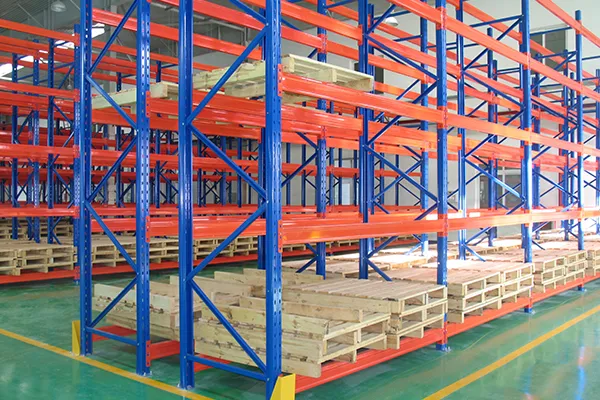
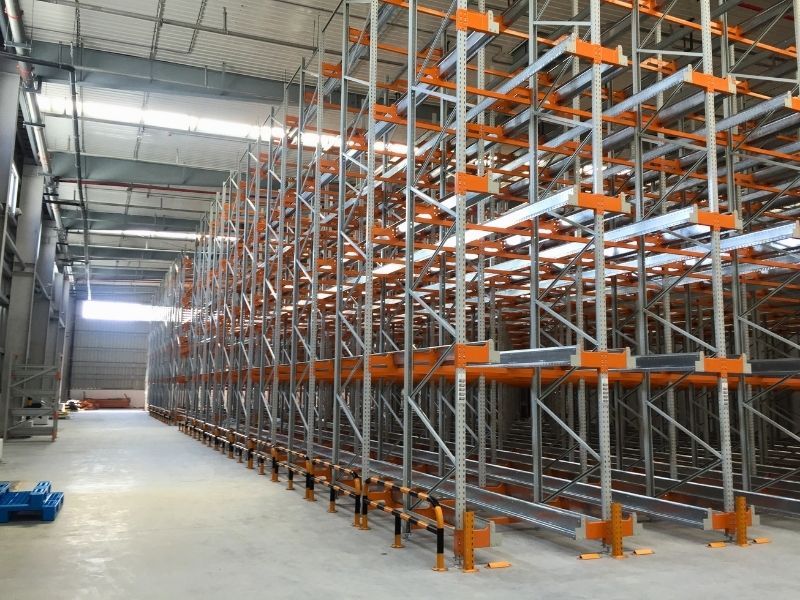
- Unmatched Space Utilization: By eliminating numerous aisles required for traditional forklift access, storage density can increase by over 80%, effectively allowing you to store more in the same building or reduce your facility’s footprint.
- Dramatically Increased Productivity and Throughput: Electric shuttles operate rapidly and can work simultaneously in multiple lanes. This parallel processing capability significantly boosts the number of storage and retrieval cycles per hour compared to manual or semi-manual systems.
- Enhanced Safety and Reduced Damage: The system minimizes forklift traffic deep into racks, reducing the risk of collisions with racking and load damage. Operators work at the lane entrance, a safer and more ergonomic setup.
- Labor and Equipment Cost Savings: Automation reduces dependency on a large fleet of forklifts and the operators to run them. One shuttle can service multiple lanes, and the automated shuttle racking system streamlines workflows, requiring fewer personnel for material movement.
- Improved Inventory Accuracy and Control: With integrated WMS, every pallet movement is tracked. The system’s sensors and software provide real-time inventory visibility, reducing errors and shrinkage.
- Operational Flexibility and Scalability: Systems can often be implemented in phases. Starting with a semi-automatic setup using remote-controlled shuttles, companies can later upgrade to full automation with 4-way shuttles and integrated software as needs grow.
Making the Strategic Choice
Selecting the right shuttle racking system—be it manual, semi-automated, or fully automated with 2-way or 4-way capabilities—requires a clear analysis of your throughput requirements, SKU profile, budget, and long-term growth plans. The optimal system seamlessly aligns with your unique operational rhythm, turning storage from a cost center into a strategic asset.
In conclusion, as warehouses evolve into intelligent hubs of the supply chain, shuttle racking has proven to be far more than a storage option. It is a critical enabler of efficiency, density, and automation. For companies looking to future-proof their operations, maximize their ROI on warehouse space, and build a resilient, responsive logistics network, investing in a robust shuttle racking system is not just an upgrade—it’s a strategic imperative. The question is no longer if automation is needed, but which form best suits your flow, and for high-density storage of palletized goods, the answer increasingly points to the versatile and powerful shuttle system.