Introduction
In the evolving landscape of industrial logistics and supply chain management, the Rack Supported Warehouse has emerged as a revolutionary paradigm, redefining the very architecture of automated storage systems. As businesses grapple with soaring real estate costs, the relentless demand for throughput efficiency, and the need for scalable solutions, the choice of warehouse infrastructure becomes a pivotal strategic decision. Among the various options, the Rack Supported Warehouse—often synonymous with “rack-supported building” or “shelving-supported structure”—stands out not merely as a storage solution but as an integrated, high-performance ecosystem. This article delves deep into why selecting a Rack Supported Warehouse is the definitive step towards building a future-proof, efficient, and cost-effective automated high-bay warehouse.
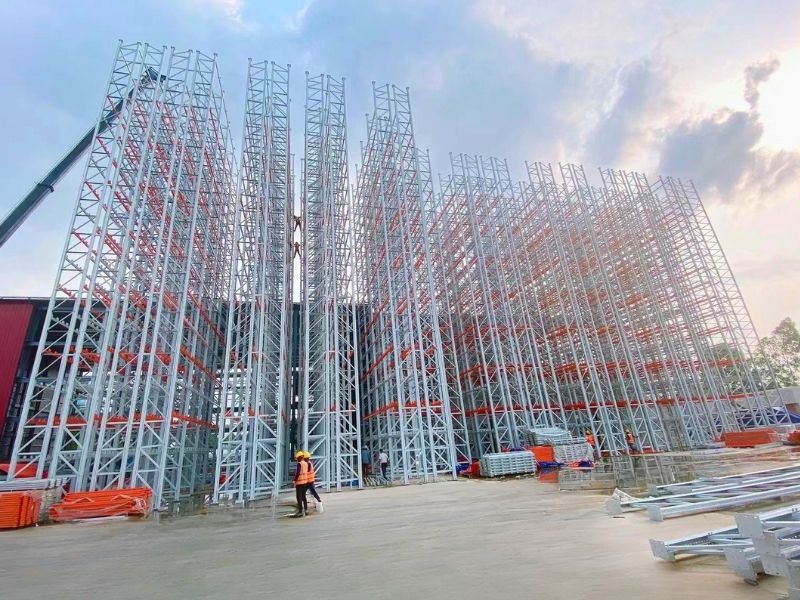
Understanding the Structure
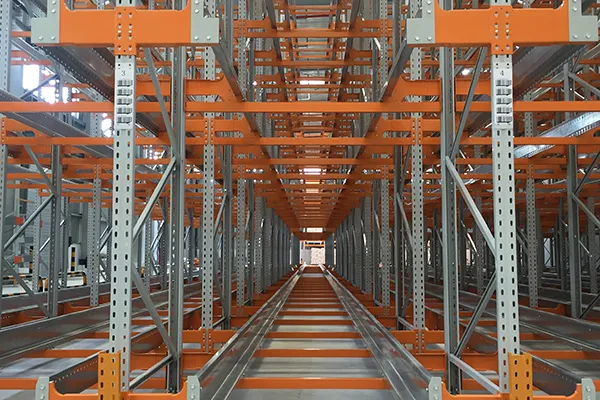
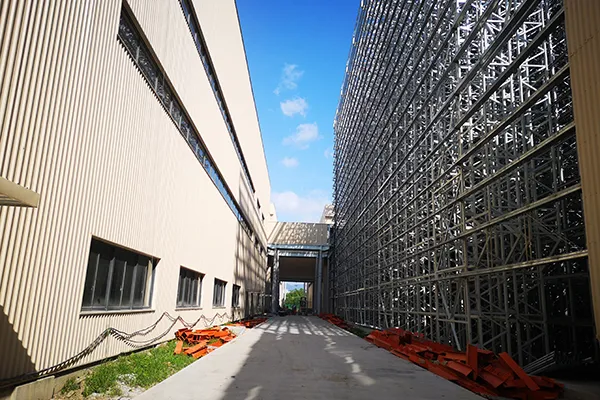
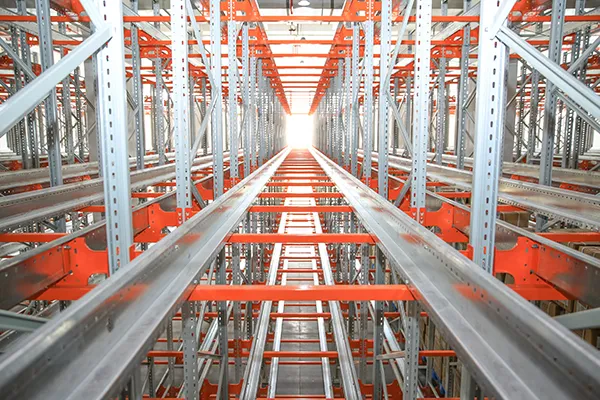
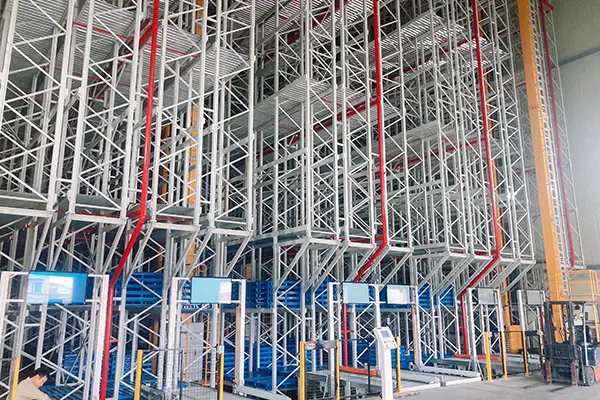
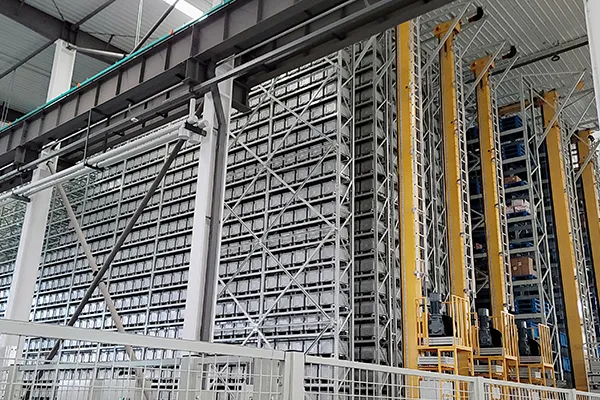
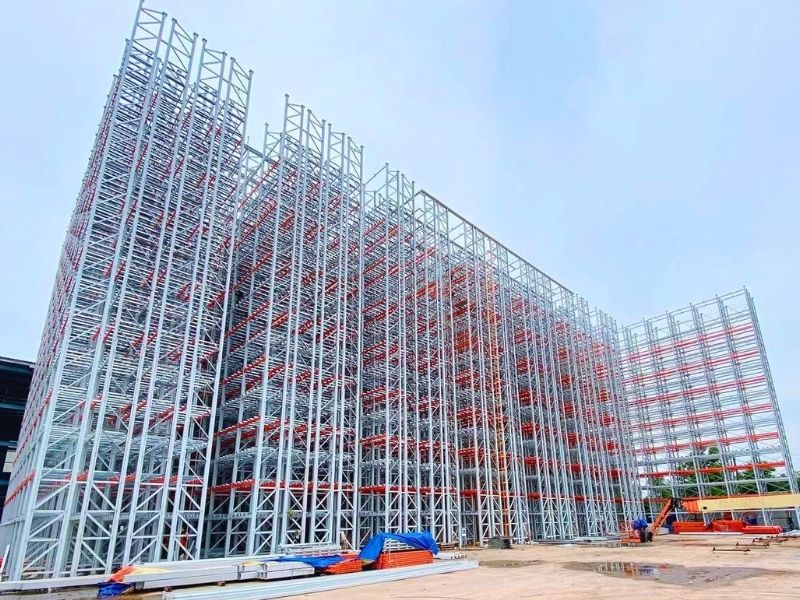
A Rack Supported Warehouse fundamentally integrates the building’s structural framework with the storage racking system. Unlike traditional warehouses where racks are installed inside a pre-existing building, here, the racks themselves form the primary load-bearing structure, supporting the roof and cladding.
- Integrated Skeleton: The high-strength steel upright frames and beams of the pallet racking are engineered to carry not only the storage loads but also the building’s dead loads (roof, walls) and environmental loads (wind, snow, seismic forces).
- Space Maximization: By eliminating the need for separate building columns, this design achieves near 100% usable space. Every square meter is dedicated to storage aisles and racking positions, with no obstructions.
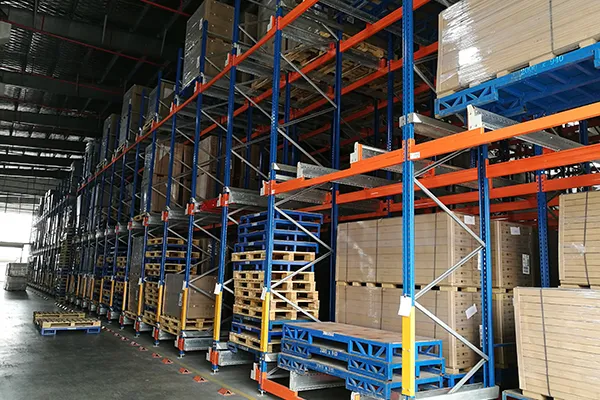
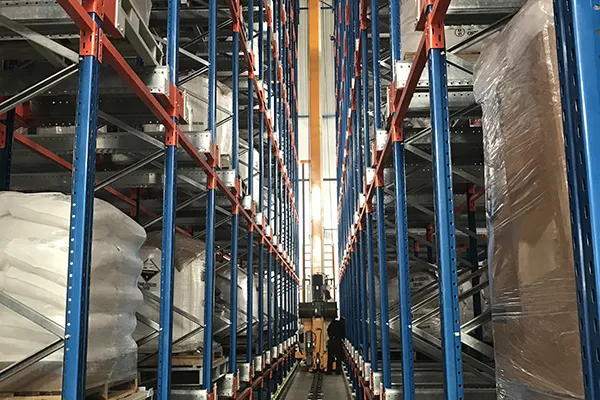
- Synergistic Design: The entire structure—from the foundation to the roof—is designed in unison with the Automated Storage and Retrieval System (AS/RS) requirements. This includes precise alignment for crane runways, integration of fire protection systems within the rack grid, and optimized placement of MEP (Mechanical, Electrical, Plumbing) services.
This seamless fusion of architecture and storage technology is the core strength of the Rack Supported Warehouse.
The Ideal Application Scenarios: When is it the Right Choice?
A shelving-supported warehouse is not a one-size-fits-all solution. It shines brightest under specific operational and economic conditions.
- High-Density, High-Throughput Requirements: When your operation demands maximum storage capacity within a limited land footprint and requires fast, automated retrieval.
- Greenfield Projects: It is most cost-effective and efficient when planned from the ground up on a new site, allowing for holistic design and construction.
- Height Utilization: Ideal for applications needing clear heights beyond 15 meters, where traditional building costs escalate significantly.
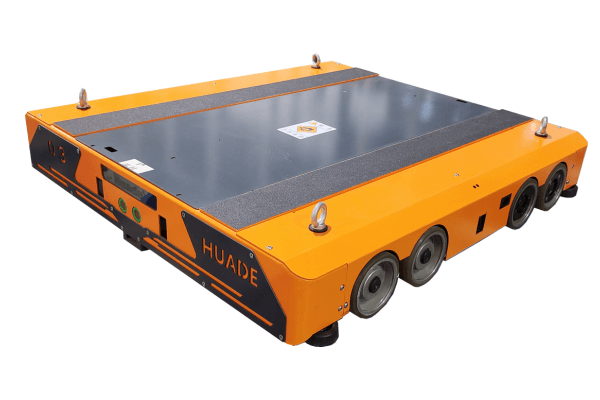
- Automation as a Core Strategy: When the business model is predicated on full or semi-automation using AS/RS, stacker cranes, or shuttle systems.
- Value of Land and Construction Speed: In areas with high land costs, its space efficiency offers tremendous savings. The integrated design and construction process can also lead to shorter project timelines compared to building a conventional warehouse and then fitting it with racks.
Industries and Companies That Benefit Most
The Rack Supported Warehouse solution is particularly advantageous for sectors with specific logistical profiles:
- Cold Storage & Food Logistics: Maximizing precious and expensive refrigerated cubic volume is critical. The integrated structure improves thermal efficiency and reduces energy loss.
- Manufacturing: For raw material buffer storage (e.g., automotive, aerospace) or finished goods handling requiring Just-In-Time sequencing.
- E-commerce & Retail Fulfillment: Handles large SKU counts with high seasonal volatility, requiring dense storage and rapid order picking.
- Third-Party Logistics (3PL) Providers: Offers a superior, scalable infrastructure asset to attract clients needing high-performance warehousing.
- Beverage & Food Manufacturing: Perfect for storing heavy pallets of finished products in high-bay configurations.
- Pharmaceuticals & Chemicals: Supports controlled environment needs with efficient use of space for raw materials and packaged goods.
Any company where storage density, operational efficiency, and total cost of ownership are key competitive differentiators should evaluate a rack-supported building.
Compelling Advantages: The Strategic Edge
Choosing a Rack Supported Warehouse delivers a multitude of tangible benefits that directly impact the bottom line.
- Unmatched Space & Volume Utilization: This is the foremost advantage. By combining structure and storage, it offers the highest possible storage density per unit area of land.
- Significant Cost Savings: Reduces overall project cost by eliminating redundant structural elements (building columns, separate support frames). Savings are realized in materials, construction time, and long-term energy consumption.
- Optimized for Automation: The structure is precision-engineered for seamless integration with AS/RS, ensuring smooth operation, reduced wear and tear on equipment, and higher system reliability.
- Enhanced Structural Integrity: The racking system, designed to AS/RS standards, often results in a building with superior load-bearing capacity and resilience compared to some conventional structures.
- Scalability and Flexibility: Future expansion—whether in height or footprint—can be designed into the initial plan, making scalability more straightforward.
- Sustainability: Efficient material use, reduced energy consumption per pallet stored, and a smaller land footprint contribute to a greener logistics operation.
Maintenance and Long-Term Care: Ensuring Peak Performance
A well-maintained Rack Supported Warehouse is a durable asset with a long service life. Its maintenance strategy has unique aspects:
- Precision Alignment Checks: Regular inspection of the rack structure’s plumb and alignment is paramount, as it supports the building. This is more critical than in standalone rack systems.
- Integrated System Inspections: Maintenance protocols must consider the building envelope (cladding, roof seals) and the racking as a single entity. Leaks or damage to the cladding can impact the rack structure.
- AS/RS Interface Maintenance: The interaction points between the building structure and automated equipment (e.g., crane rails, guidance systems) require scheduled lubrication, inspection, and adjustment.
- Professional Partnering: Engaging with the original provider or specialists familiar with the integrated design for periodic structural audits is highly recommended. They understand the specific load paths and interaction points.
- Preventive Over Reactive: A robust preventive maintenance schedule for both the building components and the storage/retrieval machinery prevents costly downtime and ensures safety.
The maintenance philosophy for a shelving-supported structure is holistic, viewing the warehouse as a single, high-performance machine.