Introduction
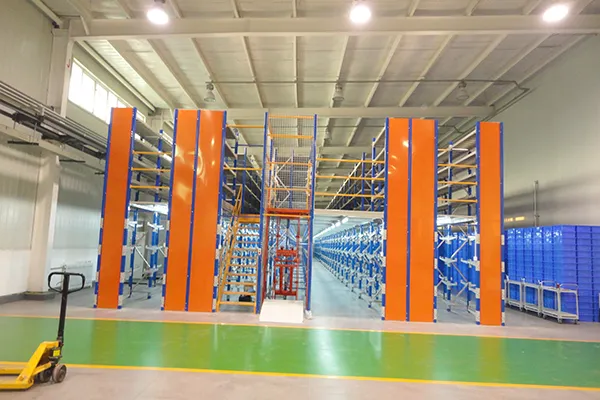
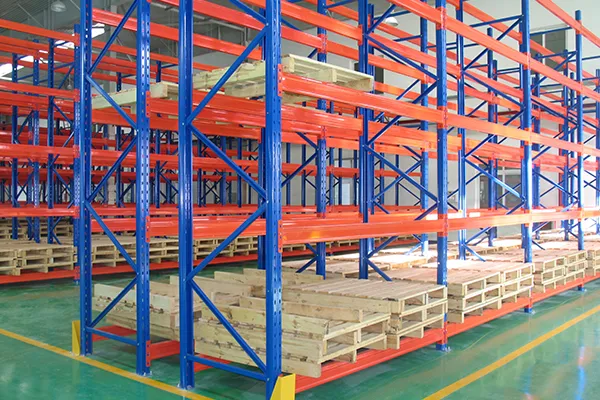
Pallet Racking is far more than a static storage framework in today’s automatic warehousing—it is the foundational skeleton upon which every high-performance automated warehouse is built. As businesses race toward digital transformation, the integration of robotics, stacker cranes, and intelligent software has revolutionized material handling. Yet beneath every precisely orchestrated movement of an automated guided vehicle or a high-speed shuttle lies a meticulously engineered Pallet Racking system that determines whether that automation will thrive or stumble. This article explores why Pallet Racking is not merely a commodity purchase but a strategic decision that directly impacts throughput, safety, and long-term return on investment in automated warehousing environments.
The Core of Automated Warehouse Structure
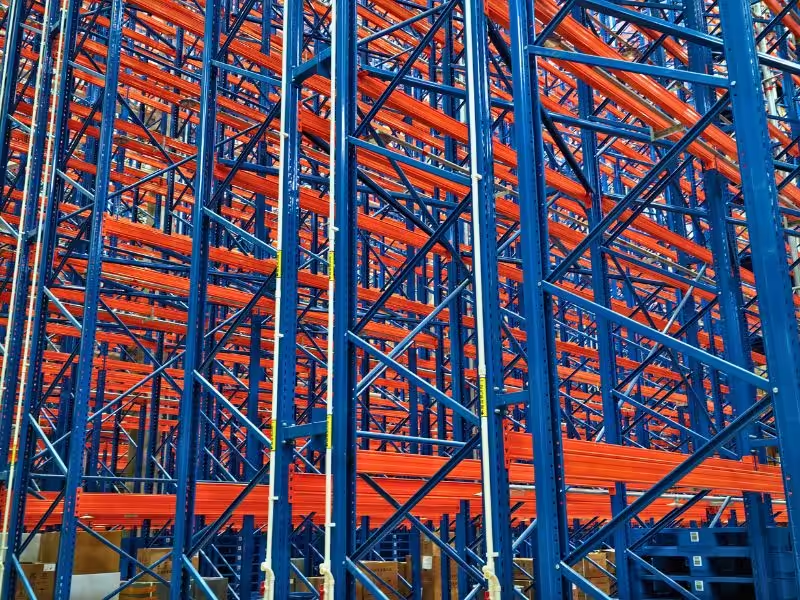
Automated warehouses operate under a relentless rhythm. Stacker cranes accelerate and decelerate thousands of times per day, transferring dynamic loads into the racking structure in ways that static storage never experiences. An automated Pallet Racking system must therefore be designed with fatigue resistance at its core. The repeated cyclic loading—where a 1,500-kilogram pallet is deposited and retrieved in rapid succession—creates stress patterns that substandard racking materials cannot endure. High-grade structural steel, precision roll-forming, and robust beam-to-frame connections distinguish a truly automation-ready Pallet Racking configuration. Without this engineering rigor, the slightest deflection in a beam can cascade into positioning errors that confuse sensor-guided equipment and grind operations to a halt.
Dimensional Precision and Positioning Accuracy
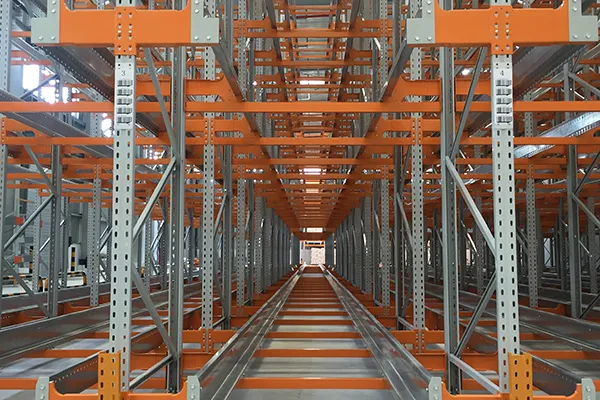
Automated storage and retrieval systems operate on the assumption that every load position is exactly where the computer expects it to be. Pallet Racking for automated applications must therefore maintain dimensional tolerances that far exceed conventional standards. A beam elevation variance of just a few millimeters across a 40-meter aisle can cause a stacker crane’s forks to fumble with a pallet. This is why precision-engineered Pallet Racking incorporates laser-aligned frame assembly standards and bolt-together designs that resist loosening over decades of vibration. When evaluating heavy-duty Pallet Racking for automation, the specification of frame depth, beam pitch, and back-to-back clearances must be confirmed with laser survey verification before the first robot ever enters the aisle.
The Role of Racking in Space Optimization
Automation is ultimately a response to the economics of space. Land and construction costs have risen to the point where every cubic meter of a warehouse must generate revenue. Pallet Racking defines how effectively that space is monetized.
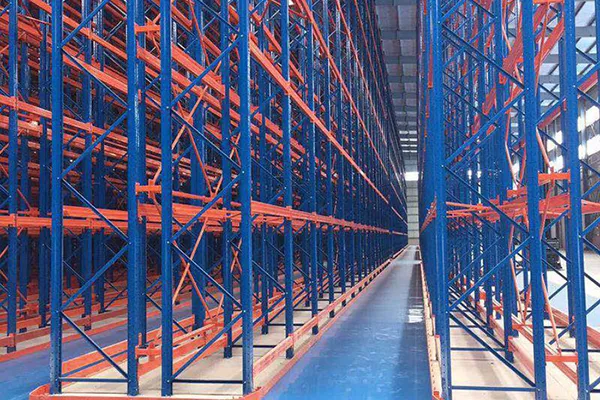
- Height Utilization: Modern very narrow aisle racking can extend to heights of 45 meters or more, transforming what was once dead vertical airspace into productive storage.
- Aisle Width Reduction: Automated guided vehicles and stacker cranes can navigate aisles significantly narrower than manual forklifts require, and the racking configuration must align precisely with the turning radius and lift kinematics of the chosen automation.
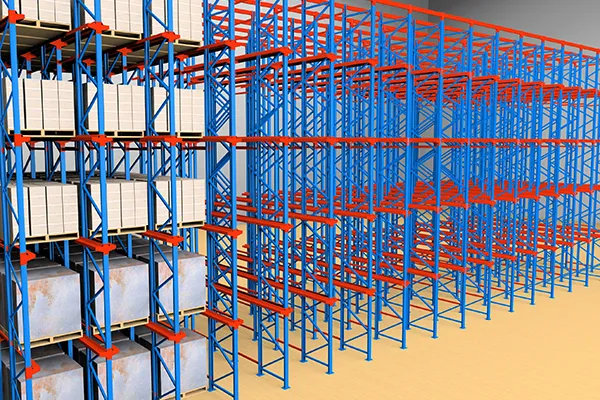
- Depth Configurations: Double-deep or multi-deep racking layouts allow a single crane to service multiple pallet positions in depth, dramatically increasing density without expanding the building footprint.
These optimizations depend entirely on a racking design that understands the geometry of the automation equipment and the fire safety clearances mandated by local codes.
Integration with Material Handling Equipment
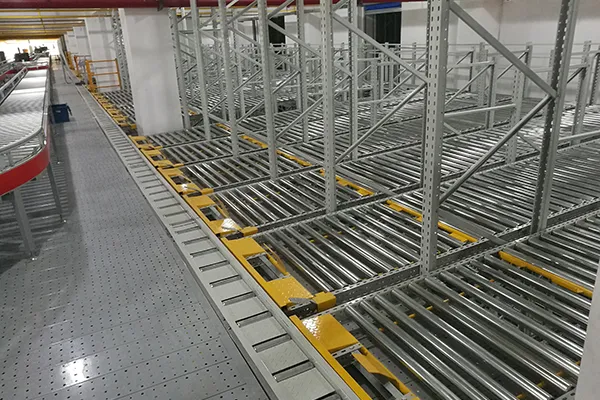
A sophisticated Pallet Racking installation does not merely coexist with automation—it is mechanically and digitally integrated with it. Guide rails for stacker cranes are typically bolted to the racking structure itself, meaning the racking becomes the track that governs the machine’s path. Any settlement in the floor slab or racking frame directly alters the rail alignment. Furthermore, modern selective Pallet Racking for automated environments often includes integrated power busbars, data communication channels, and sensor mounting brackets. The racking serves as both the storage medium and the infrastructure backbone for the entire automated system. This convergence demands that racking suppliers and automation integrators collaborate from the earliest design phase, treating the Pallet Racking layout as a co-engineered system rather than a simple shelving product.
Load Integrity and Racking Protection
In automated operations, the consequences of a load mishandling incident are amplified. A slightly overhanging pallet that a human operator would notice and correct can be blindly engaged by a shuttle or crane, resulting in a cascade of structural damage. Pallet Racking protection systems therefore become critical safety investments.
- Frame Deflection Guards: Welded or bolted guard structures at the base of every upright absorb impact energy before it reaches the load-bearing column.
- Pallet Support Accessories: Cross-bars, support beams, and pallet stoppers ensure that pallets rest securely in their designated positions and do not shift during high-speed retrieval.
- Overload Sensors: Some advanced racking systems integrate load cells that communicate directly with the warehouse management system, flagging any bay that exceeds its design weight before structural compromise occurs.
These protective measures preserve not only the racking itself but also the uptime of the automated equipment that depends on a predictable physical environment.
Seismic and Environmental Considerations
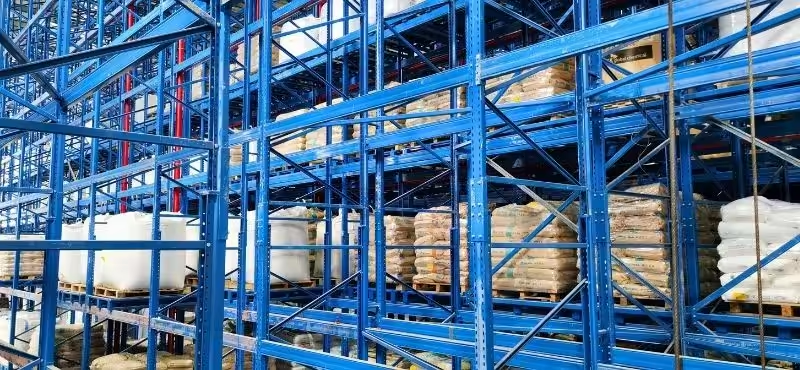
Automated Pallet Racking installations in seismically active regions require specialized engineering that goes well beyond standard design codes. The interaction between a swaying racking structure and a top-running stacker crane can generate amplified forces that must be modeled using dynamic analysis. Cross-bracing patterns, base plate anchor specifications, and floor slab reinforcement must all be calibrated to the specific seismic zone. Similarly, Pallet Racking destined for cold storage automation must account for the embrittlement of steel at sub-zero temperatures, requiring material grades that maintain their toughness in environments as cold as minus thirty degrees Celsius. Corrosion-resistant finishes become mandatory in food processing or pharmaceutical applications where wash-down procedures are routine.
System Longevity and Maintenance Access
An automated warehouse represents a capital investment measured in decades, and the Pallet Racking within it must match that lifespan. Unlike conventional racking that can be easily rearranged or expanded, automated racking configurations are often deeply integrated into the building’s infrastructure and control systems. This makes the initial quality of the racking paramount. Galvanized or powder-coated finishes protect against rust in humid environments. Bolt-together designs allow for occasional reconfiguration without the structural compromise that comes with cutting and re-welding. Furthermore, the racking layout must include designated maintenance access points—areas where technicians can safely service the automation equipment without entering active storage aisles. A well-designed Pallet Racking system anticipates these human access requirements and incorporates them without sacrificing storage density.
Return on Investment Through Racking Selection
The selection of Pallet Racking directly influences the economic performance of an automated warehouse. Inferior racking that requires frequent realignment, suffers corrosion, or fails to integrate smoothly with conveyor systems imposes hidden costs that erode the productivity gains automation promises. Conversely, a properly specified racking installation enables faster commissioning, reduces downtime, and maintains the dimensional stability that keeps automated equipment operating at peak efficiency. When calculating the total cost of ownership, logistics managers should weigh the racking cost not as an isolated procurement line item but as a multiplier of automation performance. A small percentage increase in racking quality can yield a large percentage gain in system availability over a decade of operation.
The Path Forward for Warehousing Leaders
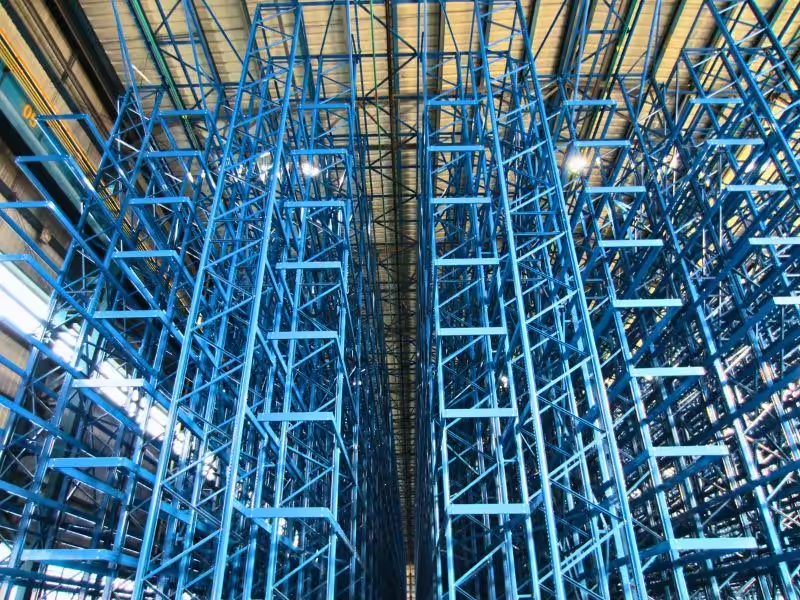
Pallet Racking stands at the intersection of structural engineering, automation technology, and logistics strategy. Its importance in automated warehouses cannot be overstated—it is simultaneously the load-bearing spine, the positioning reference, and the protective envelope for the entire automated ecosystem. Companies embarking on automation projects should engage racking specialists early, demand engineering documentation that validates deflection and fatigue performance, and insist on installation verification protocols that confirm every beam and frame meets the specified tolerances. In a logistics environment where seconds of cycle time and millimeters of positioning accuracy determine competitive advantage, the quality of your racking is the quality of your operation. The automated warehouse of the future will rise or fall on the strength of its Pallet Racking foundation, and forward-thinking organizations are already treating this critical component with the strategic attention it deserves. Therefore, choosing a reliable Racking Supplier is especially important.