Introduction
A Clad Rack Warehouse represents the pinnacle of modern logistics engineering, where the storage racking system itself becomes the structural support for the building’s walls and roof. Unlike conventional buildings where pallet racking is installed inside a completed shell, this integrated construction methodology fundamentally changes how businesses approach high-bay storage. For companies struggling with land scarcity, rising construction costs, or the need for extreme throughput efficiency, understanding how to successfully build a Clad Rack Warehouse is the first step toward a transformative return on investment. This article dissects the critical path from initial concept to operational handover, ensuring your facility is not just a storage space, but a competitive weapon.
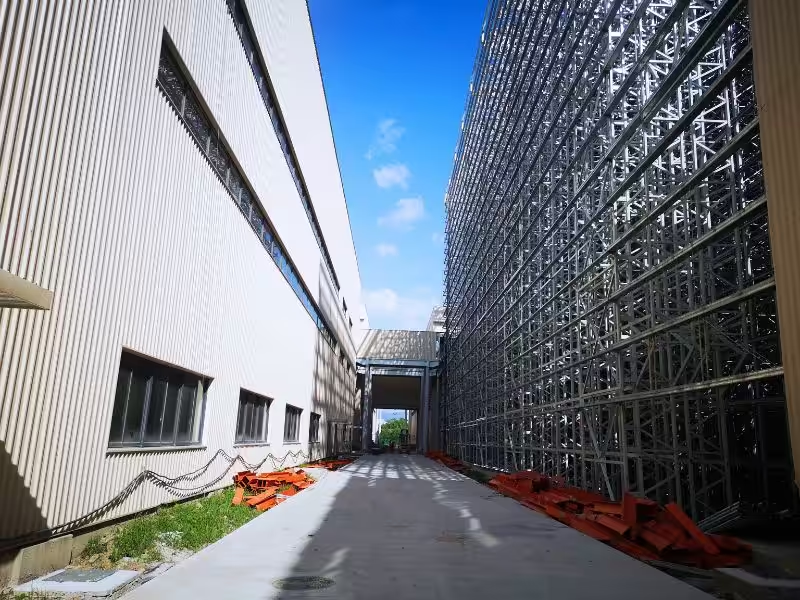
Understanding the Integrated Structure
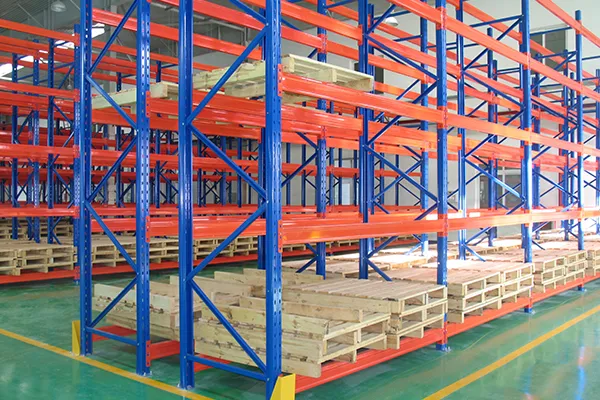
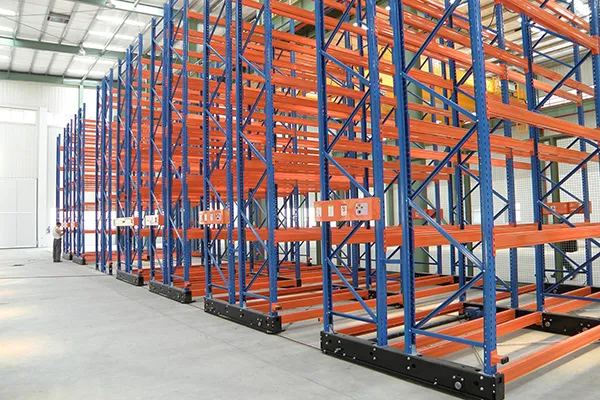
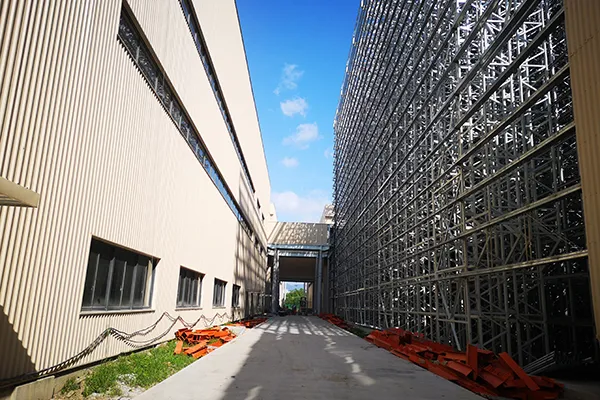
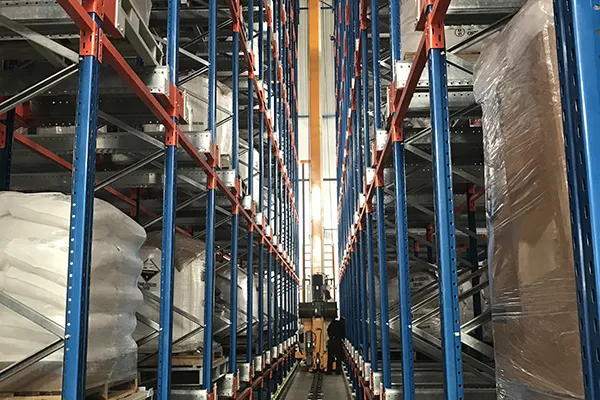
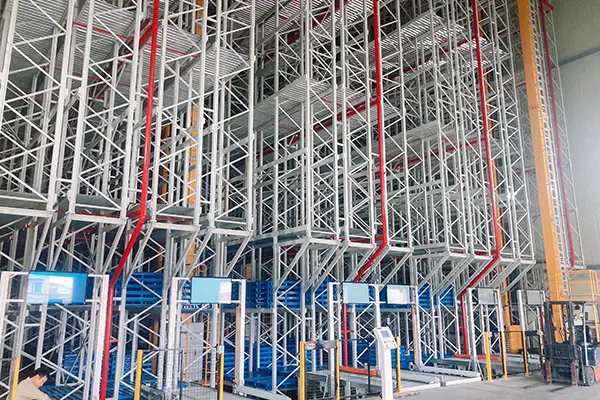
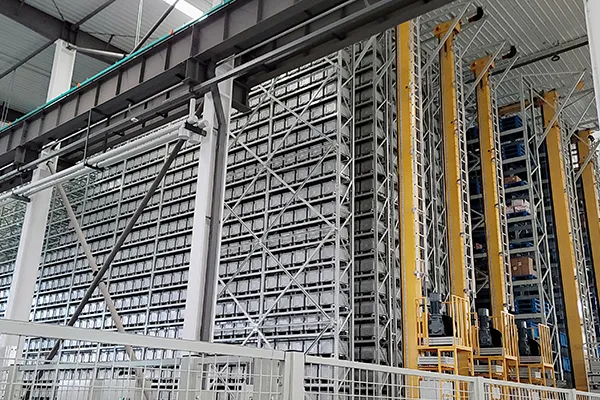
The defining characteristic of a Clad Rack Warehouse is the symbiotic relationship between the racking and the building envelope. The upright frames of the pallet racking system bear the vertical load of the stored goods, but they also carry the horizontal wind loads and the weight of the roof and wall cladding. This eliminates the need for a massive, independent structural steel frame. The result is a building that is significantly lighter, faster to erect, and capable of reaching heights exceeding 40 meters with minimal internal columns. However, this integration demands absolute precision. The racking is not a fixture; it is the skeleton. Any misalignment during the installation of a Clad Rack system can compromise the entire building’s geometry and weatherproofing integrity.
The Advantages
Why should a logistics developer choose a Clad Rack Warehouse over a traditional build? The benefits extend far beyond simple space utilization.
- Maximum Cubic Utilization: By removing the gap between the top of the racking and the roof truss, you reclaim dead space. A high-bay Clad Rack Warehouse can store up to 60% more pallets on the same footprint compared to a conventional facility.
- Accelerated Construction Timelines: Because the racking and the shell are erected concurrently, the critical path shortens dramatically. While a traditional build requires the steel frame, roof, and floor to be finished before racking installation begins, a Clad Rack construction process overlaps these trades.
- Superior Fire Safety Compartmentalization: Modern Clad Rack Warehouses are designed with in-rack sprinklers and vertical fire barriers integrated into the structure. This allows for precise fire suppression zoning that is often more effective than ceiling-level sprinklers in a vast open space.
- Thermal Efficiency: The insulation panels are fixed directly to the racking, creating a tight thermal envelope with minimal air leakage. This is critical for cold storage applications where a Clad Rack cold store must maintain strict temperature bands.
Site Preparation and Foundation Engineering
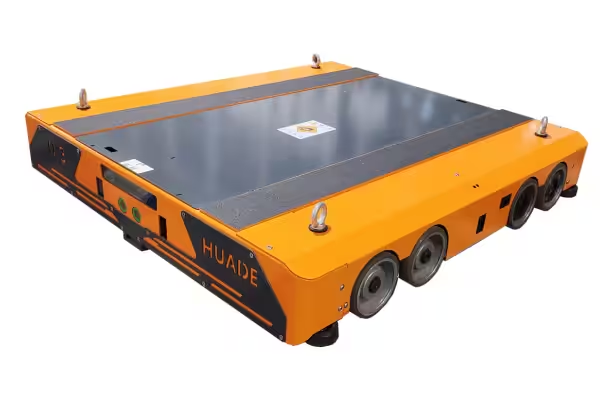
The success of a Clad Rack Warehouse begins underground. The foundation is not merely a flat slab; it is a highly engineered structural element. Because the racking legs transmit massive point loads to the ground, the floor slab must be exceptionally flat and reinforced to prevent differential settlement. A tolerance of a few millimeters across a 100-meter aisle is non-negotiable. Automated guided vehicles (AGVs) and very narrow aisle (VNA) trucks, which are frequently deployed in these high-density environments, demand super-flat floors to operate safely at height. Before a single upright is bolted down, a comprehensive geotechnical survey must inform the pile design or ground improvement strategy. Ignoring the interaction between the Clad Rack Warehouse foundation and the dynamic forces of moving machinery is the most common cause of long-term structural fatigue.
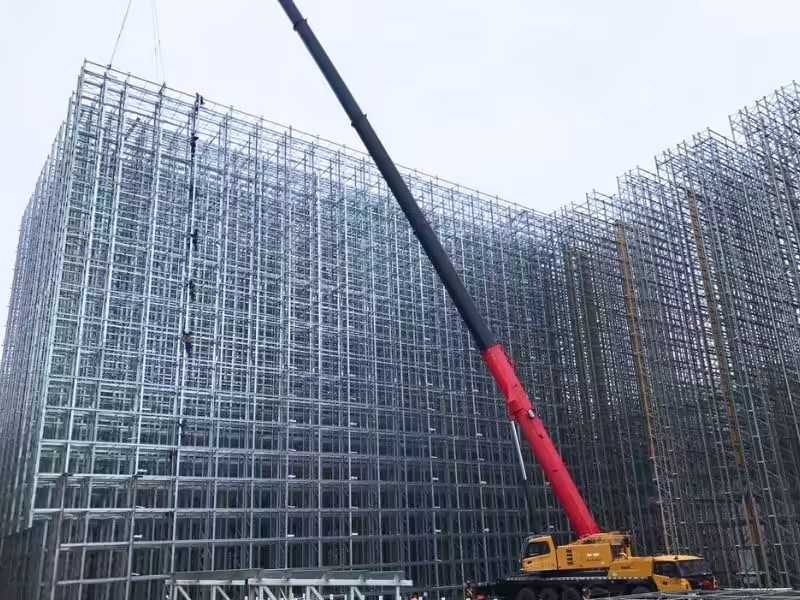
Design and Wind Load Analysis
Designing a Clad Rack Warehouse requires a paradigm shift in structural thinking. The racking supplier and the building envelope contractor must collaborate from day one. The wall and roof panels act as stressed skin, transferring wind loads to the racking frames. Computational Fluid Dynamics (CFD) modeling is often employed to predict wind behavior around the massive, often featureless, facades. The connections between the horizontal bracing, the uprights, and the cladding rails must withstand cyclical loading without loosening. A robust Clad Rack design also accounts for thermal expansion and contraction. A 40-meter-high steel structure can move significantly with temperature changes, and the cladding system must accommodate this movement without buckling or tearing the weather seals.
The Construction Sequence
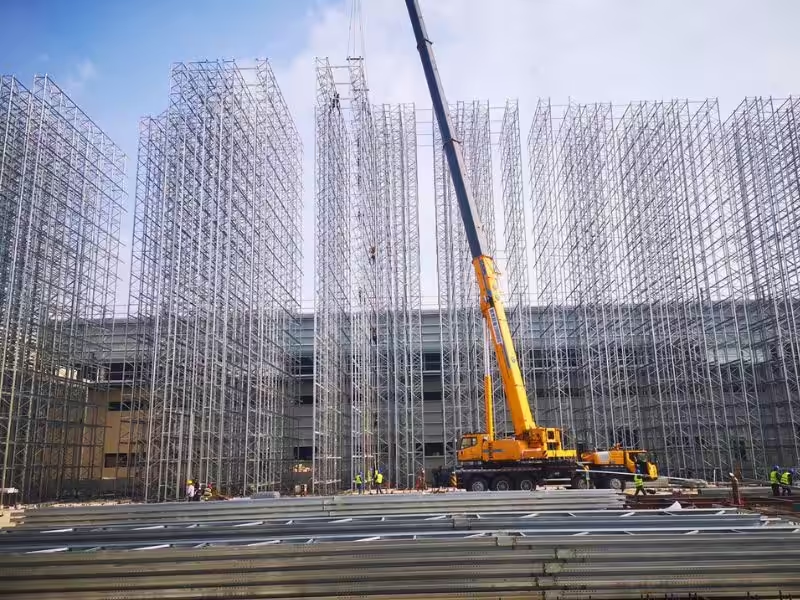
Building a Clad Rack Warehouse is a choreographed sequence of vertical assembly. The process typically begins with the installation of the central racking spine. Once a stable bay is established, the perimeter racking is erected. The wall cladding panels are then hung concurrently with the racking, often using specialized lifting platforms that climb the structure. The roof is installed last, using a sliding or lifting technique to avoid crane restrictions. This top-down or simultaneous approach demands rigorous safety protocols. Every bolt, every brace, and every panel joint is a critical structural connection. Quality assurance during the construction of a Clad Rack Warehouse must be continuous, with laser surveying verifying the verticality of each frame before the cladding is locked in.
Material Handling Integration
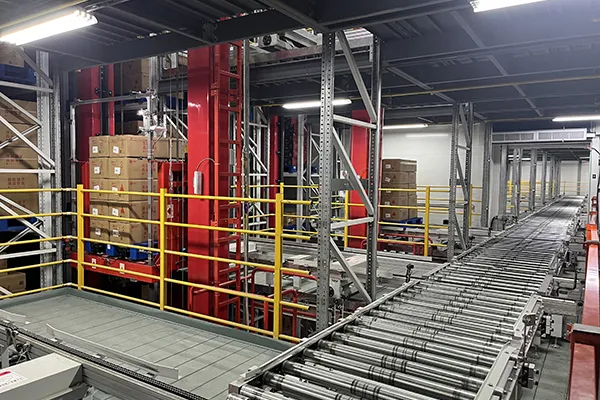
A Clad Rack Warehouse is a machine for moving goods. The racking configuration must be designed backward from the material handling equipment (MHE). Whether you are deploying stacker cranes in an automated storage and retrieval system (AS/RS) or manned VNA trucks, the guide rails are often anchored directly to the racking structure. This integration demands perfect alignment. The deflection of the racking under load must not impede the movement of the crane. When designing a Clad Rack automated warehouse, the control systems, power busbars, and data networks must be integrated into the racking structure, creating a seamless cyber-physical system. The building literally becomes the machine.
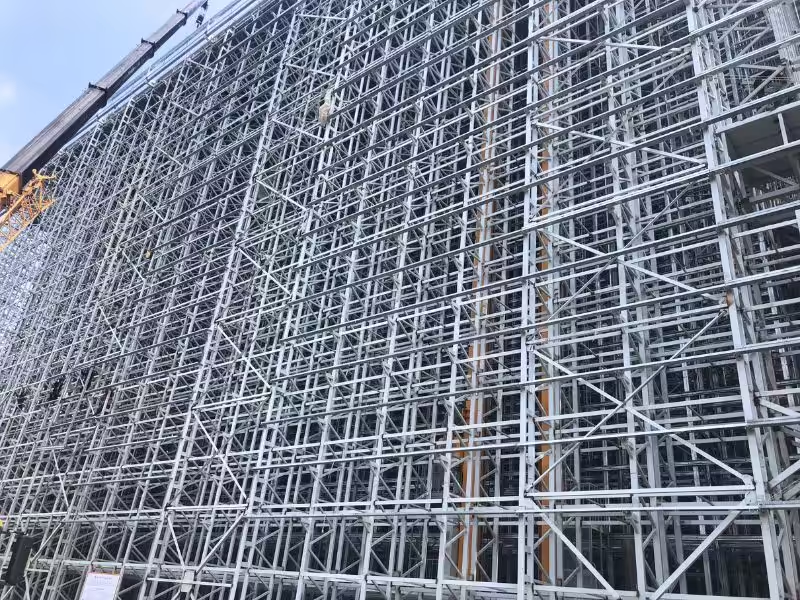
Fire Protection and Safety Systems
Fire safety in a Clad Rack Warehouse is a specialized discipline. The high fuel load of stored pallets, combined with the extreme heights, makes traditional ceiling sprinklers ineffective. The solution lies in in-rack sprinklers (IRS) installed at multiple levels within the racking structure. These systems must be designed to survive the initial racking installation and the constant vibration of loading operations. Furthermore, the Clad Rack fire strategy must include robust smoke extraction. Because the building has no traditional roof space, mechanical smoke vents or high-temperature exhaust fans are integrated directly into the roof panels. Horizontal and vertical fire barriers, made of non-combustible insulation, are essential to prevent vertical fire spread through the flue spaces between pallets.
Cost Drivers and Value
While a Clad Rack Warehouse offers superior density, the initial capital expenditure requires careful management. The primary cost drivers are the structural steel in the racking legs and the specialized cladding system. Value engineering should focus on optimizing the bay sizing to match standard pallet dimensions, minimizing the number of non-standard connections, and selecting cladding profiles that maximize spanning capability to reduce secondary steelwork. The life-cycle cost, however, is where the Clad Rack Warehouse value truly shines. Reduced heating and cooling energy, lower land acquisition costs due to the smaller footprint, and the operational efficiency of high-density storage often result in a lower total cost of ownership within five years compared to a wider, lower conventional building.
Future-Proofing Your Investment
A well-designed Clad Rack Warehouse is a long-term asset. To future-proof the facility, consider the structural capacity for future automation. Even if you are currently using manual forklifts, designing the slab and racking connections to support the heavier loads and dynamic forces of future stacker cranes is a low-cost, high-value decision. The building envelope should also be modular. A Clad Rack expansion should be planned from the outset, with the end walls designed as temporary weather screens that can be easily removed to extend the racking and cladding in a linear fashion. This allows your logistics footprint to grow without disrupting ongoing operations.
Selecting the Right Partner
The construction of a Clad Rack Warehouse is not a general contracting job; it is a specialized engineering project. You need a partner who understands the interaction between static racking loads and dynamic environmental forces. The ideal contractor offers a single-source responsibility for the racking, the cladding, and the fire suppression integration. When evaluating proposals for your Clad Rack Warehouse project, scrutinize the warranty structure. The warranty must cover the watertight integrity of the envelope and the structural stability of the racking as a unified system, not as separate components. This single-point accountability is the only way to de-risk a project of this complexity.You can consult our team to choose a partner.