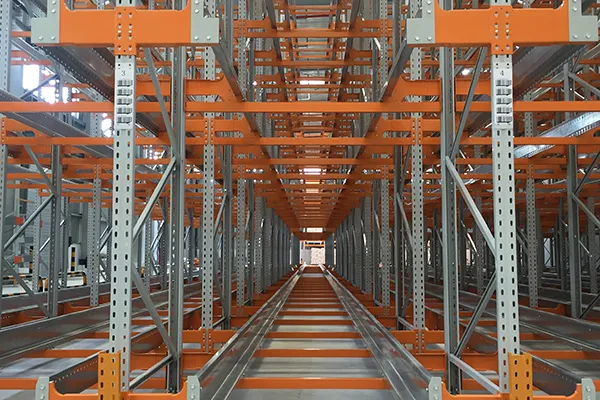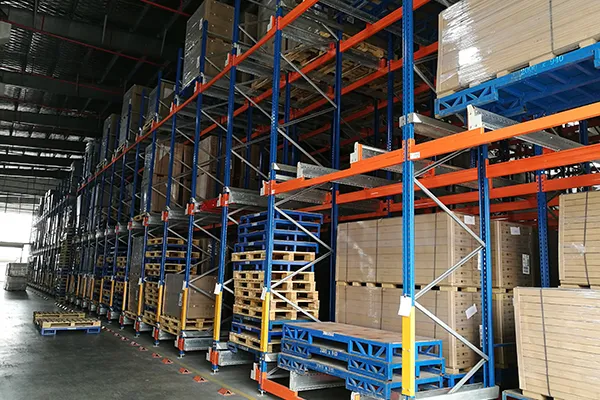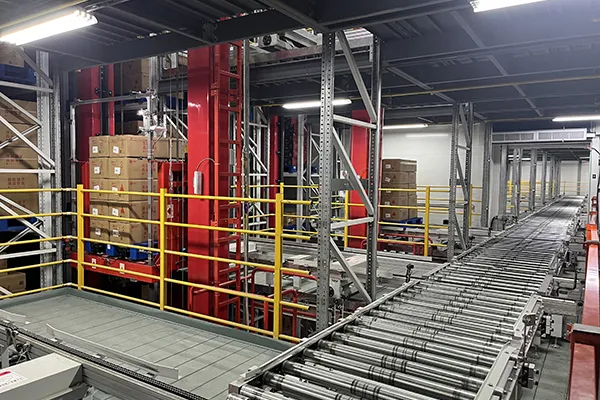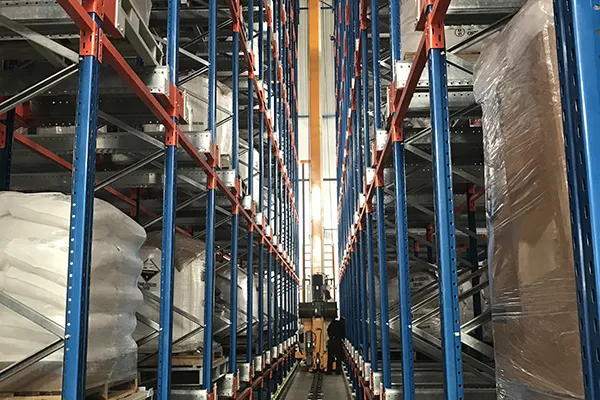
High Density Storage System is revolutionizing the way organizations manage their space and inventory, offering a smarter solution for optimizing storage in various sectors. In an era where space is a premium commodity and efficiency is paramount, this system has emerged as a game-changer, enabling businesses to store more in less area while improving accessibility and operational flow. This article delves deep into the intricacies of high-density storage solutions, providing a detailed exploration of their components, types, benefits, and real-world applications.
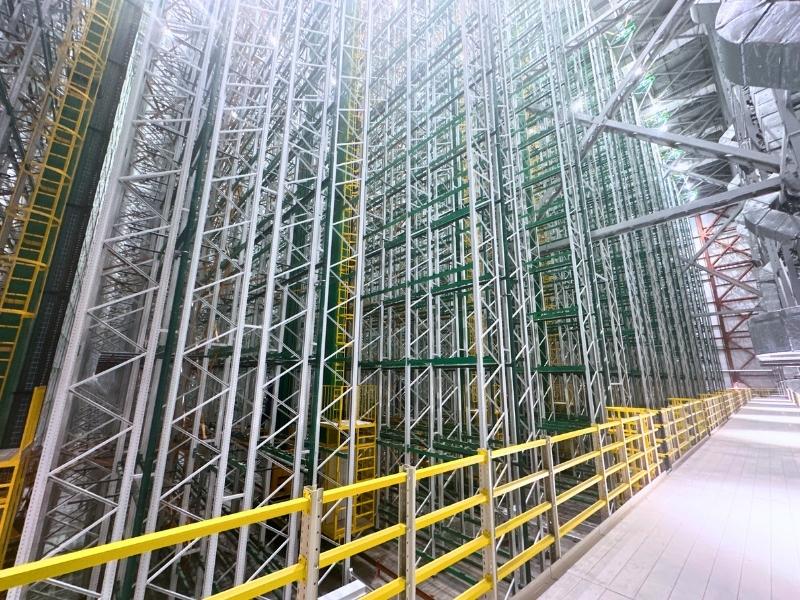
Introduction to High Density Storage Systems
A High Density Storage System refers to an advanced storage infrastructure designed to maximize storage capacity within a limited footprint. Unlike traditional storage methods that often waste vertical and horizontal space, this system utilizes innovative mechanisms to condense storage units, allowing for higher density and better space utilization. It is particularly crucial in environments where space constraints and growing inventory demands collide, such as warehouses, archives, and retail backrooms. By integrating these systems, organizations can significantly reduce their physical footprint, lower operational costs, and enhance overall productivity. Essentially, high-density storage transforms static storage into a dynamic, scalable asset.
Classification of High Density Storage Systems
High-density storage solutions can be broadly categorized based on their operational mechanisms and design. Each type caters to specific needs and environments, offering varying levels of automation and customization. Below are the primary classifications:
- Manual Systems: These include options like high-density shelving or mobile aisle systems, where units are compacted manually or with minimal mechanical assistance. They are cost-effective and ideal for smaller-scale operations or facilities with lower throughput.
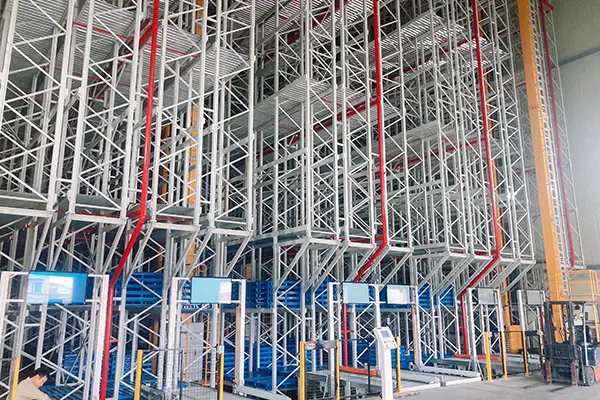
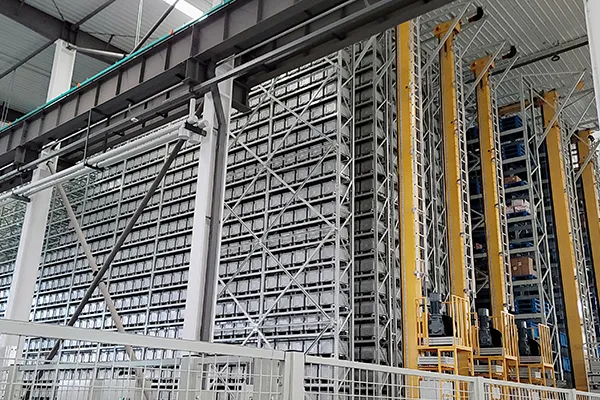
- Automated Systems: This category encompasses automated storage and retrieval systems (AS/RS), vertical lift modules (VLMs), and carousel systems. They rely on computerized controls and robotics to manage inventory, providing high efficiency and precision for large-scale applications.
- Hybrid Systems: Combining elements of both manual and automated designs, hybrid systems offer flexibility and scalability. Examples include semi-automated racking that integrates with manual loading for optimized workflow in diverse settings.
Each classification serves distinct purposes, from basic space-saving in offices to fully automated logistics in distribution centers.
Key Components of a High Density Storage System
A robust high-density storage infrastructure comprises several core components that work in harmony to deliver optimal performance. Understanding these elements is essential for evaluating system suitability:
- Storage Units: These include racks, shelves, bins, or drawers that hold items. They are often designed with modularity in mind, allowing for easy reconfiguration as needs evolve.
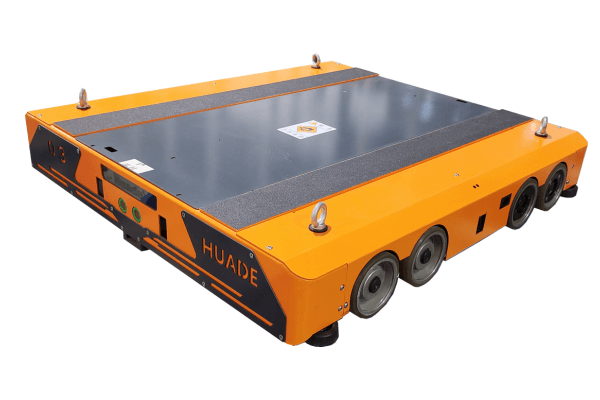
- Movement Mechanisms: For automated and semi-automated systems, this involves motors, conveyors, or shuttle systems that facilitate the retrieval and storage of items. In manual systems, it may include glide rails or manual pushers for aisle compression.
- Control Software: A critical component in automated setups, software systems manage inventory tracking, retrieval orders, and system diagnostics. They often integrate with enterprise resource planning (ERP) systems for seamless data flow.
- Safety Features: Given the high density and potential for movement, safety elements such as sensors, emergency stops, and overload protections are integral to prevent accidents and ensure user security.
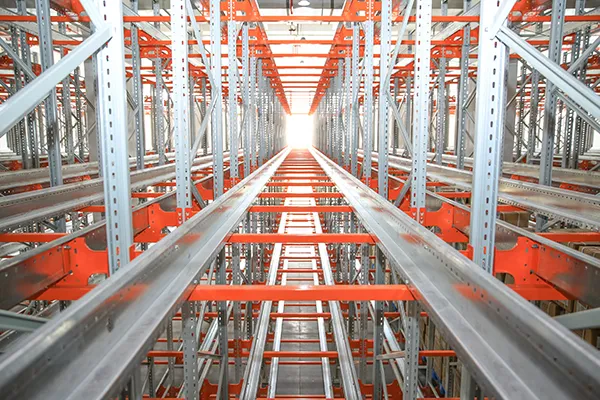
- Structural Framework: The base structure, typically made of durable materials like steel, provides the foundational support for the entire system, ensuring stability and longevity under heavy loads.
Together, these components form a cohesive unit that can be tailored to specific industry requirements, from lightweight document storage to heavy industrial pallet handling.
Primary Uses and Applications
High-density storage systems find utility across a wide spectrum of industries, addressing unique challenges in each sector. Their versatility makes them indispensable for modern operational efficiency:
- Warehousing and Logistics: In distribution centers, these systems enable high-volume storage of goods, reducing aisle space and accelerating order fulfillment. For instance, e-commerce giants use automated high-density solutions to handle peak season demands efficiently.
- Healthcare and Pharmaceuticals: Hospitals and labs employ high-density storage for medical records, supplies, and sensitive medications, ensuring secure, organized, and compliant storage under regulated conditions.
- Archives and Libraries: Cultural institutions and corporate archives use compact shelving to preserve documents, books, and artifacts, maximizing space while maintaining easy access for researchers and staff.
- Retail and Manufacturing: Backroom storage in retail stores benefits from high-density systems to manage inventory overflow, while manufacturing plants use them for raw materials and tool storage, streamlining production lines.
- Office Environments: Corporate offices implement smaller-scale systems for file storage and supplies, freeing up valuable floor space for collaborative areas.
These applications highlight how high-density storage adapts to diverse needs, driving efficiency and cost savings.
Distinctive Features and Characteristics
High Density Storage Systems are defined by a set of key features that set them apart from conventional storage methods. These characteristics contribute to their growing adoption:
- Space Optimization: By eliminating unnecessary aisles and utilizing vertical space, these systems can increase storage capacity by up to 100% or more compared to traditional setups.
- Scalability and Flexibility: Modular designs allow for easy expansion or reconfiguration as storage requirements change, making them suitable for growing businesses.
- Enhanced Accessibility: Despite the compact nature, well-designed systems ensure that items remain easily retrievable, often through automated indexing or ergonomic manual controls.
- Durability and Reliability: Built with high-quality materials, these systems withstand heavy use and environmental factors, ensuring long-term performance with minimal maintenance.
- Integration Capabilities: Many systems seamlessly integrate with existing warehouse management software, enabling real-time inventory tracking and data analytics for informed decision-making.
These features collectively make high-density storage a robust solution for modern storage challenges.
Advantages of Implementing High Density Storage
Adopting a High Density Storage System yields numerous benefits that directly impact an organization’s bottom line and operational excellence. Key advantages include:
- Cost Efficiency: Reduced space requirements lead to lower real estate costs, utility expenses, and overall overhead. For example, companies can downsize facilities or avoid costly expansions.
- Improved Productivity: Faster retrieval times and reduced worker travel distances translate to higher throughput and labor efficiency. In automated setups, this can cut retrieval times by over 50%.
- Enhanced Security and Organization: With controlled access and systematic storage, these systems minimize loss, damage, and unauthorized handling, which is critical in sectors like healthcare and finance.
- Sustainability Benefits: By optimizing space, organizations can reduce their carbon footprint through lower energy consumption and minimized land use, aligning with green initiatives.
- Future-Proofing: As businesses evolve, scalable high-density storage adapts to technological advancements and changing inventory patterns, ensuring long-term relevance.
These advantages underscore why industries are increasingly investing in such storage solutions as a strategic asset.
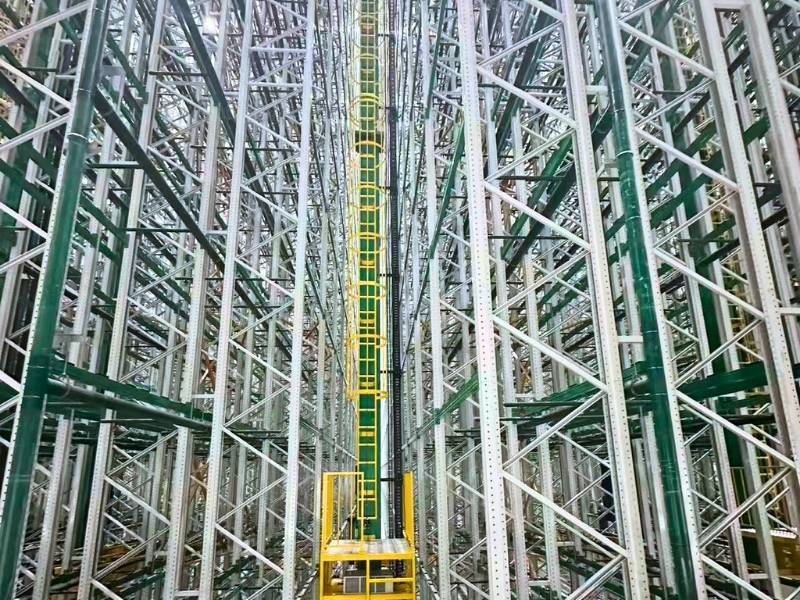
Industry Applications and Sector-Specific Benefits
The implementation of high-density storage spans various sectors, each deriving unique benefits tailored to their operational contexts:
- Logistics and Supply Chain: In this sector, high-density systems facilitate just-in-time inventory management, reducing lead times and enhancing supply chain resilience. For instance, major logistics hubs use automated storage to handle cross-docking operations smoothly.
- Healthcare: Hospitals benefit from compact medication storage that ensures compliance with safety standards, while research institutions use them for specimen archives, improving data integrity and retrieval speed.
- Education and Government: Universities and public agencies utilize these systems for record management, enabling efficient archives that support administrative functions and compliance audits.
- Manufacturing: Plants integrate high-density storage for tool cribs and parts inventory, minimizing downtime and supporting lean manufacturing principles.
- Retail: Chains employ these solutions for backstock management, allowing for quicker restocking and better in-store space utilization during high-traffic periods.
In each industry, the system’s adaptability drives tangible improvements in efficiency, cost control, and service delivery.
Conclusion
In summary, High Density Storage Systems represent a pivotal advancement in storage technology, offering a comprehensive solution for space-constrained environments. From their diverse classifications and components to their wide-ranging applications and undeniable advantages, these systems empower organizations to achieve greater operational efficiency and sustainability. As industries continue to evolve, embracing such innovative storage infrastructure will be key to staying competitive. By investing in a high-density solution, businesses can not only address immediate storage challenges but also build a foundation for future growth and innovation. Explore how this system can transform your storage strategy today.