Automated frozen warehouse solution is no longer a futuristic concept for a select few; they are the critical solution for businesses aiming to thrive in the competitive landscape of frozen food, pharmaceuticals, and perishable goods. With rising labor costs, stringent safety regulations, and an unyielding demand for freshness and traceability, traditional cold storage methods are becoming a bottleneck. This comprehensive guide explores how automating your freezing operations can transform your business from the inside out, delivering unparalleled efficiency, reliability, and profitability directly to you, the end-user.
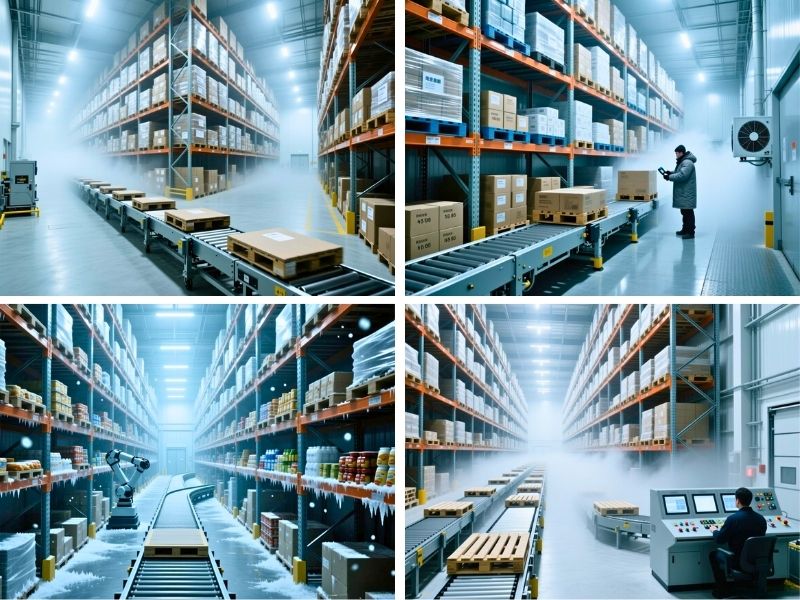
Why Your Business Can’t Afford to Ignore Automation
The challenges of manual frozen storage are multifaceted and costly. Understanding these pain points is the first step toward a transformative solution.
- Skyrocketing Operational Costs: Manual labor in sub-zero environments is expensive, scarce, and subject to high turnover. Energy waste from frequent door openings and inefficient space utilization further inflates your bills.
- Compromised Product Integrity & Safety: Temperature fluctuations during picking or put-away can lead to partial thawing, risking product quality, safety, and regulatory compliance. Human error in inventory management can also cause costly misplacements or spoilage.
- Scalability and Speed Limitations: As order volumes grow and e-commerce demands faster fulfillment (like next-day delivery for frozen goods), manual systems struggle to keep pace, directly impacting customer satisfaction.
- Data Blindness: Traditional systems often lack real-time, granular data on inventory levels, storage conditions, and asset movement, making strategic planning and recall management reactive and risky.
Automation addresses these issues at their core, shifting the paradigm from mere storage to intelligent, dynamic asset management.
Core Components of an Automated Frozen Warehouse Solution
A modern automated cold storage facility is a symphony of integrated technologies. Here’s what it typically comprises:
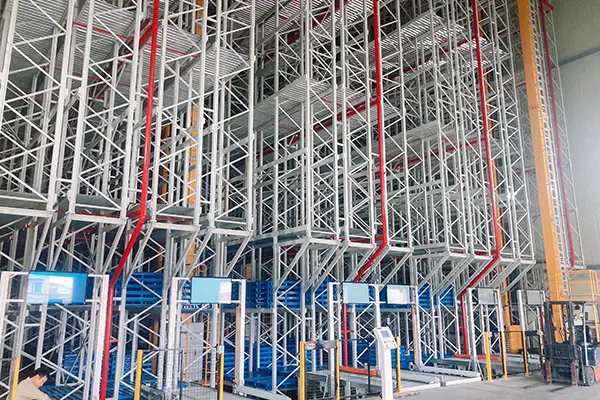
- Automated Storage & Retrieval Systems (AS/RS): The workhorses of the system. These include:
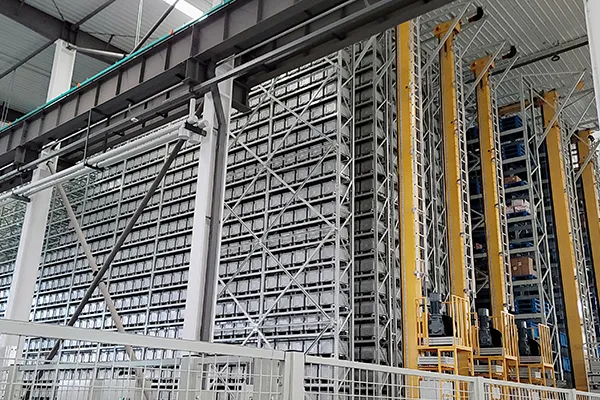
- Mini load AS/RS: Ideal for handling cases or totes in ultra-cold environments.
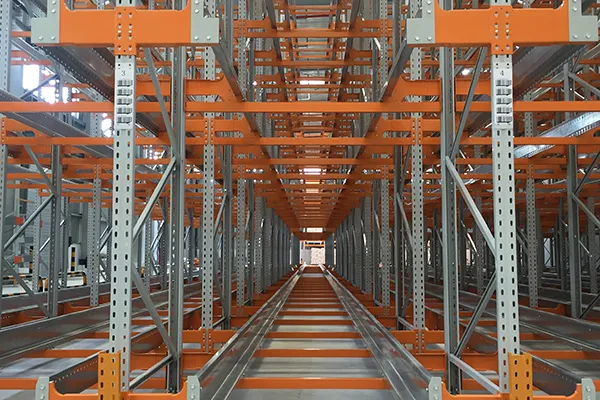
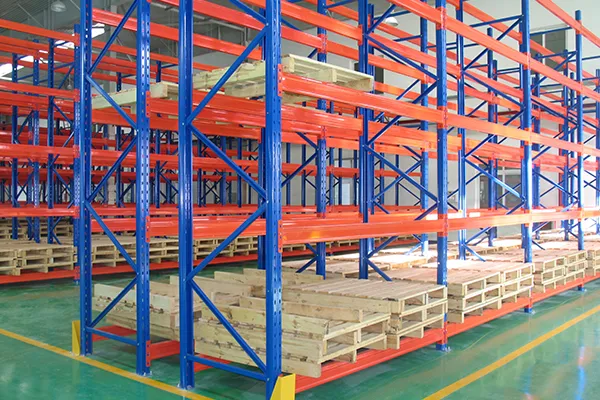
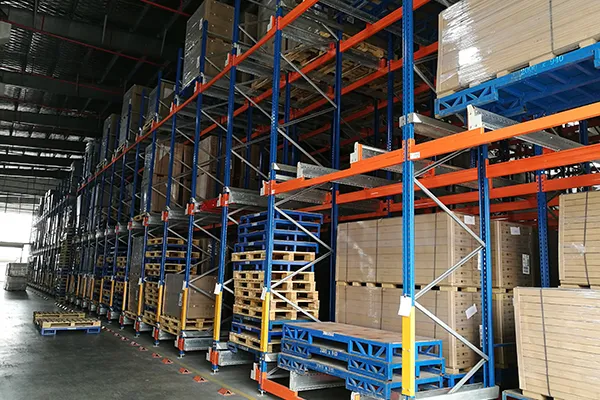
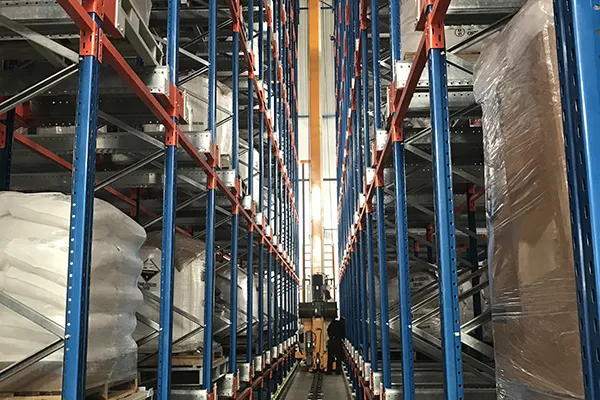
- Pallet Shuttles & Deep-Lane Systems: Perfect for high-density storage of full pallets with FIFO (First-In, First-Out) or LIFO management.
- Vertical Lift Modules (VLMs): Bring items to the ergonomic “goods-to-person” pick station, eliminating the need for operators to enter the cold zone.
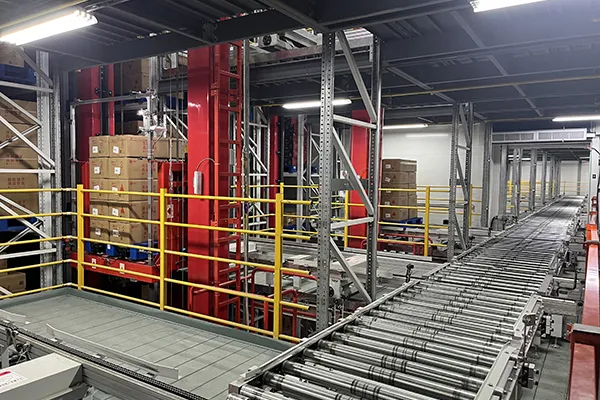
- Conveyor & Sortation Systems: Seamlessly transport goods between different zones (e.g., from -30°C storage to a 0°C picking area) without manual intervention, maintaining the cold chain integrity.
- Warehouse Management System (WMS) & Warehouse Control System (WCS): The “brain” of the operation. The WMS manages inventory, orders, and workflows, while the WCS directs the real-time movement of machines, ensuring synchronized and efficient operation.
- Specialized Robotics: Including robotic palletizers/de-palletizers and mobile robots (AMRs) designed to function reliably in extreme cold, handling tasks at the receiving and shipping docks.
- Integrated Building & Refrigeration Design: The automation system is co-engineered with the building insulation and refrigeration units to minimize energy loss. Features like high-speed doors, cold-vestibules, and optimized airflow are integral.
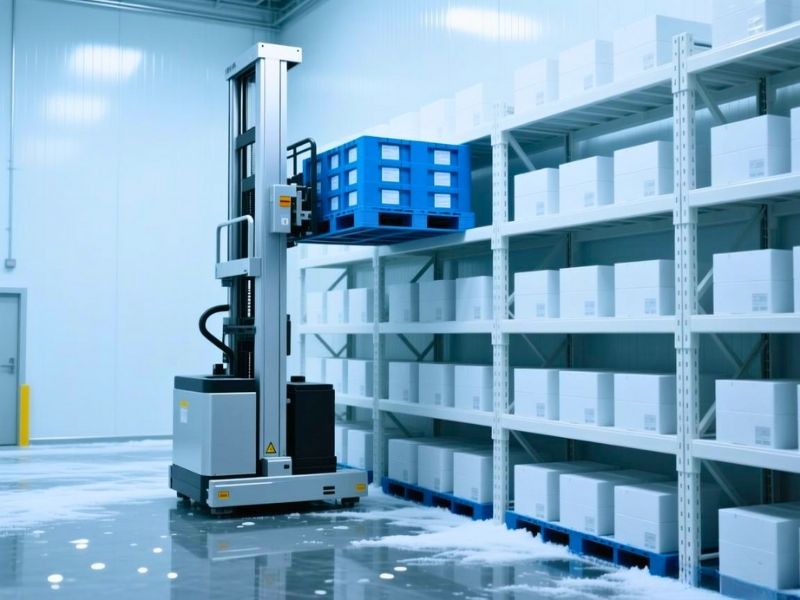
Tangible Benefits: What Automation Delivers to Your Bottom Line
Investing in an automated frozen storage solution translates directly into measurable business outcomes:
- Dramatic Cost Reduction:
- Labor: Reduce dependence on cold-environment workers by 70% or more.
- Energy: Achieve up to 30% energy savings through reduced door openings, optimized space (allowing for higher buildings), and smarter refrigeration control.
- Product Loss: Virtually eliminate spoilage due to temperature excursions or picking errors.
- Unmatched Accuracy & Compliance:
- Achieve 99.99%+ inventory accuracy with barcode/RFID scanning at every touchpoint.
- Maintain a complete, auditable trail for every product batch, simplifying compliance with FDA, EU, and other global standards.
- Superior Throughput & Scalability:
- Handle 2-3 times more orders per shift with consistent speed, regardless of peak seasons.
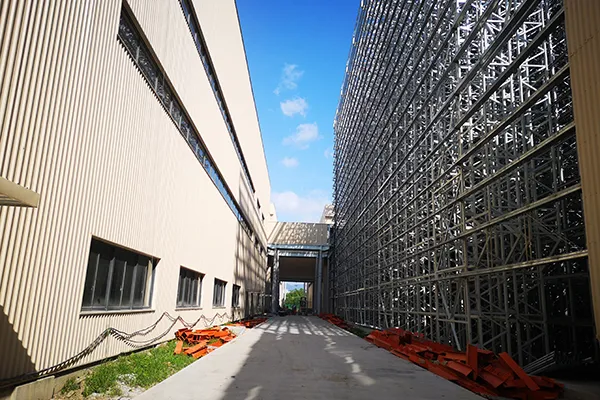
- Scale operations upward (adding height) or outward by integrating additional modules, protecting your investment for the long term.
- Enhanced Safety & Working Conditions:
- Remove personnel from hazardous, physically demanding freezer work.
- Create safer, more attractive roles in climate-controlled control rooms or pick stations.
Choosing the Right Path: A Guide for Your companies
While system integrators play a crucial role in implementation, you, as the business owner or operator, must drive the vision. Here’s your roadmap:
- Internal Assessment: Quantify your current pain points (costs, error rates, throughput limits). Define your future growth projections and product portfolio.
- Develop a Clear Business Case: Frame the project not as an IT/equipment purchase, but as a strategic investment. Calculate ROI based on hard savings (labor, energy, waste reduction) and soft benefits (increased sales from reliability, brand protection).
- Partner with Solution-Forward Providers: Look for partners who offer comprehensive automated cold chain solutions, not just hardware. They should have proven experience in your industry (food, pharma) and provide robust lifecycle support.
- Prioritize Software & Integration: The WMS/WCS is the heart of the system. Ensure it is flexible, user-friendly, and can integrate with your existing ERP. Demand a proven virtual simulation before physical build-out.
- Plan for the Future: Consider modular designs that allow for phased implementation. Discuss how the system can adapt to new technologies like AI-based predictive maintenance or more advanced AI-driven demand forecasting.
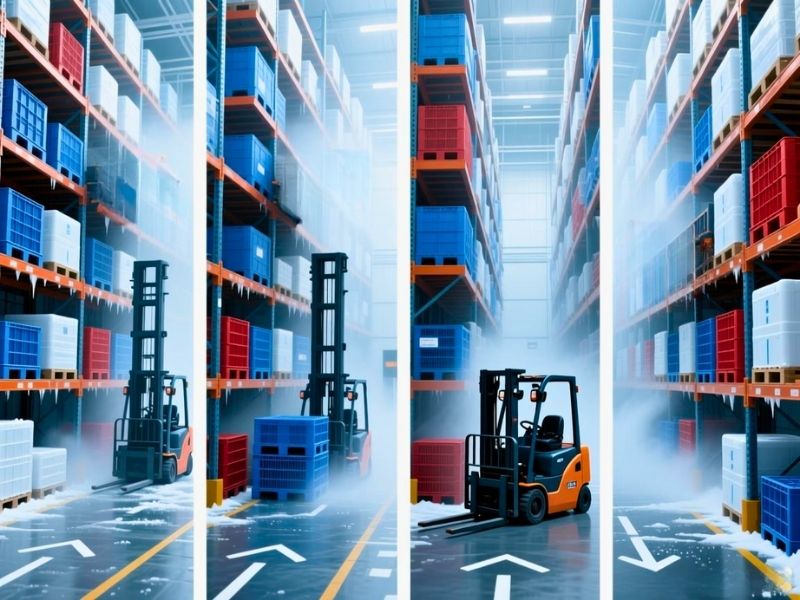
The Future is Automated and Connected
The next evolution of the automated deep-freeze warehouse lies in greater intelligence and connectivity. Imagine systems that use AI to predict equipment maintenance before a failure, or IoT sensors that provide granular, item-level temperature tracking throughout the global supply chain. By embracing automation today, you are not just solving current problems; you are future-proofing your operations, building a resilient, responsive, and competitive enterprise.
For integrators, your role is to be a trusted advisor, translating these end-user needs into robust, reliable technical realities. The end goal is a shared success: a facility that operates as a seamless, efficient, and profitable extension of your client’s business.
For businesses and companies, choosing the right automated frozen warehouse solution will be a permanent solution. Not only does it improve storage efficiency, but it also reduces costs.
Ready to transform your cold chain? The journey begins with a conversation about your specific challenges and a vision for a smarter, more efficient future.