Deep Freeze Warehouse stands at the forefront of technological innovation, redefining the landscape of cold chain logistics. In an era where efficiency, reliability, and precision are paramount, these fully automated freezer storage systems offer a transformative solution for industries reliant on ultra-low temperature preservation. By seamlessly integrating advanced robotics, intelligent software, and robust engineering, they not only meet the stringent demands of modern supply chains but also set new benchmarks for operational excellence. This article delves into the intricate composition, diverse classifications, distinctive features, tangible benefits, and wide-ranging applications of the automated deep freeze warehouse, illustrating why it is an indispensable asset for the future of cold storage.
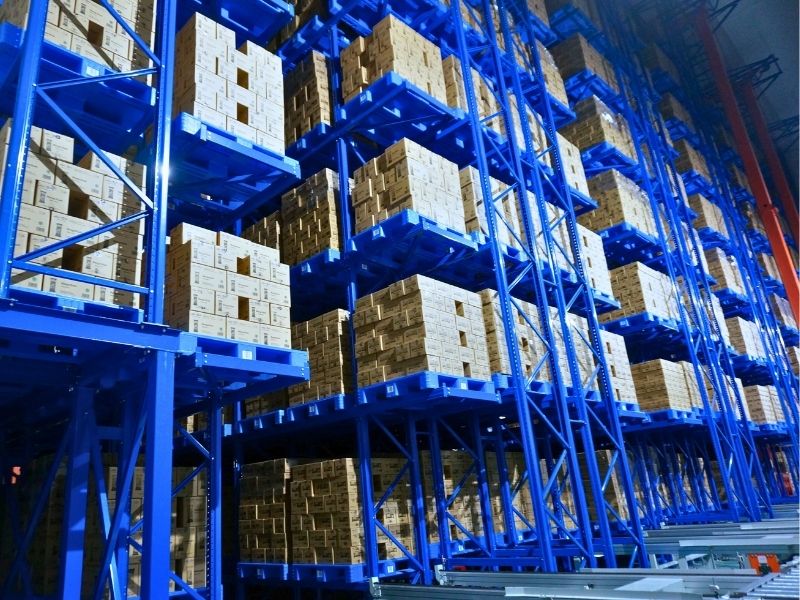
Composition of an Automated Deep Freeze Warehouse
A state-of-the-art Deep Freeze Warehouse is a symphony of integrated components working in unison to ensure optimal performance. Its core structure and systems include:
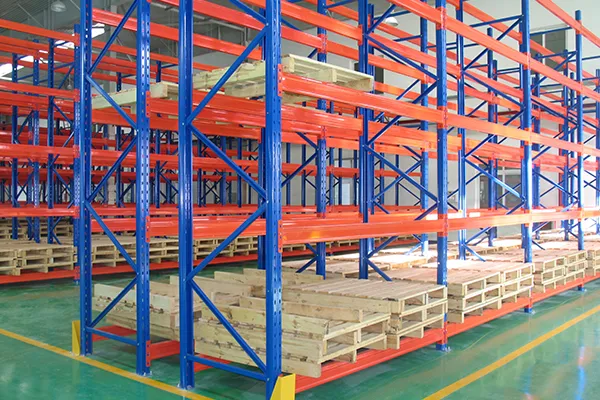
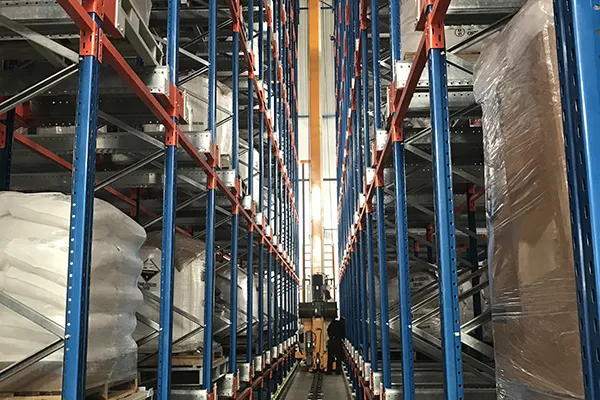
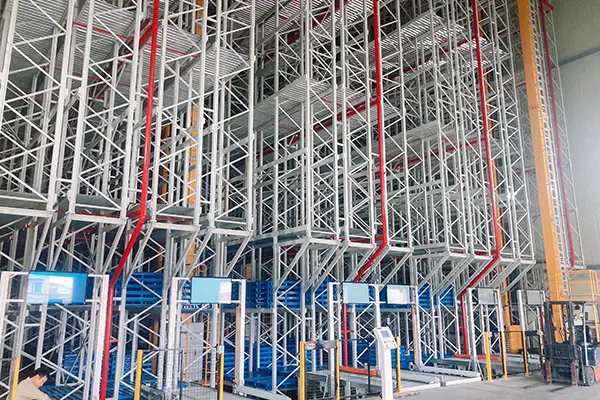
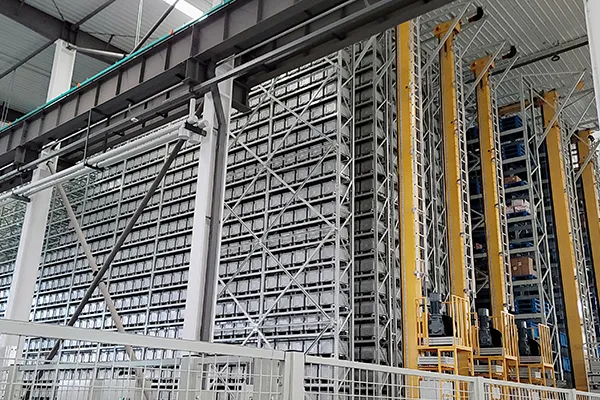
- High-Density Storage Racking System: Engineered from materials resistant to extreme thermal contraction and brittleness, this system often utilizes narrow-aisle or movable aisle configurations to maximize storage volume within the facility’s footprint.
- AS/RS: The heart of the operation. This comprises:
- Stacker Cranes: Robotic cranes that travel horizontally and vertically within the aisles to precisely store and retrieve pallets or totes.
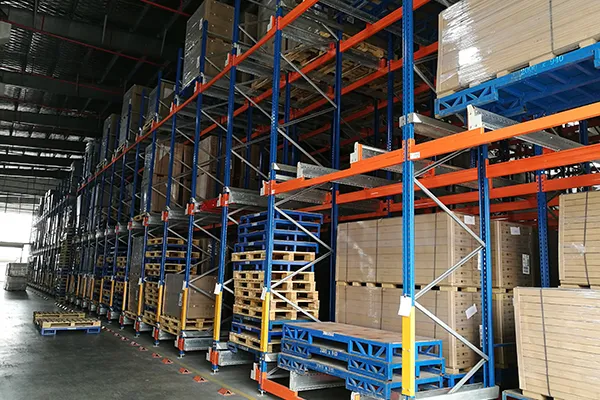
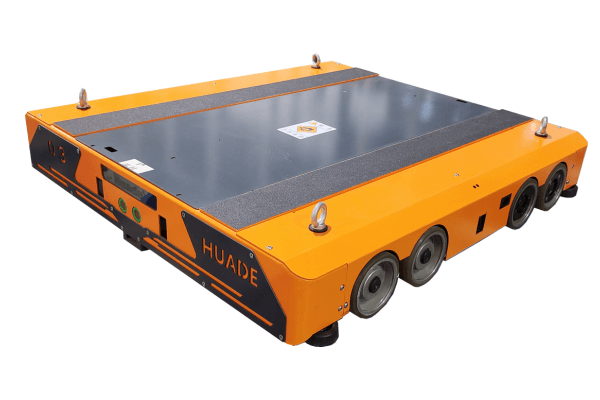
- Shuttle Systems: Autonomous vehicles that operate on different levels of the racking, facilitating high-speed movement of goods deep within the storage structure.
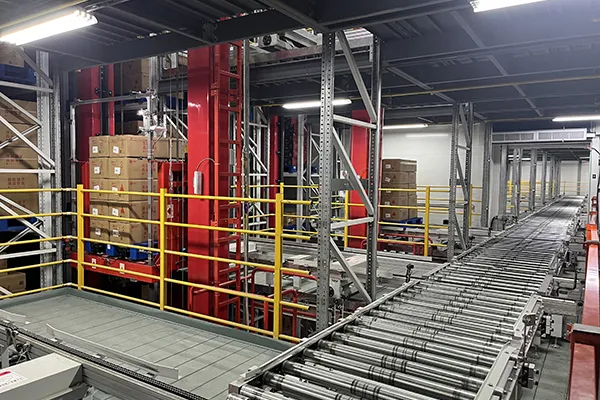
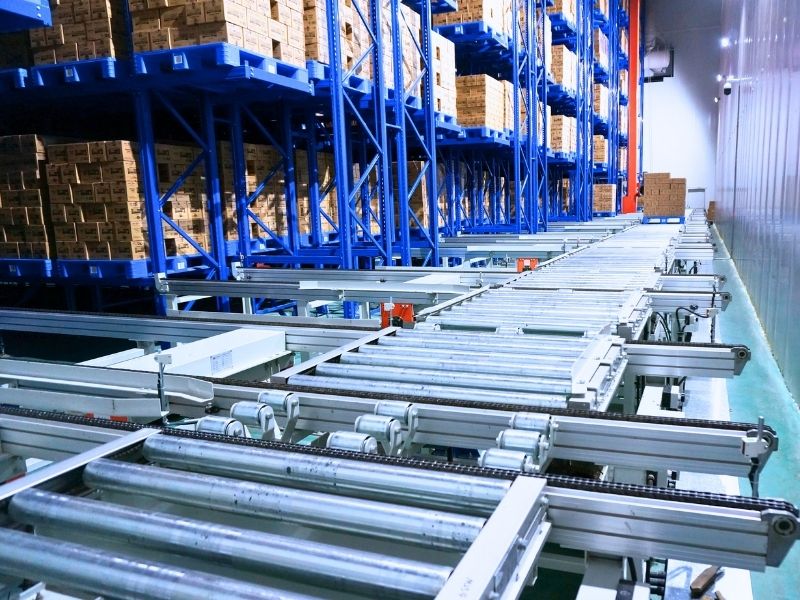
- Integrated Conveyor and Sortation System: A network of conveyors, rollers, and sorters that transports goods between the AS/RS, the inbound receiving area, and the outbound dispatch zone, maintaining a continuous flow.
- Advanced Warehouse Management System (WMS) & Warehouse Control System (WCS): The intelligent brain. The WMS manages inventory data, order processing, and reporting, while the WCS directly controls the real-time operation of the automated equipment, ensuring synchronization and efficiency.
- Refrigeration and Insulation System: A powerful and precise cooling system designed to maintain consistently ultra-low temperatures (typically -25°C to -30°C or lower). This is complemented by high-performance insulation panels in walls, ceilings, and floors to minimize energy loss.
- Inbound/Outbound Automation: Includes automated palletizers, depalletizers, and staging areas where human interaction is minimized, often operating in a temperature-controlled vestibule to protect workers from the harsh core environment.
Classifications of Automated Freezer Warehouses
These facilities can be categorized based on their operational model and temperature range:
- By Operational Model:
- Fully Automated Freezer Warehouses: The entire process, from receiving to storage, retrieval, and dispatch, is handled by automated systems with minimal to no human presence in the cold storage area.
- Semi-Automated Freezer Warehouses: Automation is applied to specific segments, such as the AS/RS for high-level storage, while loading/unloading and other tasks are manual.
- By Temperature Range:
- Chill Storage (0°C to 5°C): For products like dairy and certain pharmaceuticals.
- Freezer Storage (-18°C to -25°C): Standard for frozen foods like meat, seafood, and vegetables.
- Deep Freeze or Blast Freezer Warehouses (-30°C to -45°C and below): Designed for products requiring ultra-low preservation, such as premium seafood, ice cream, and biological samples.
Key Features and Characteristics
The automated deep freeze storage solution is defined by several critical features:
- Ultra-Low Temperature Consistency: Advanced refrigeration and insulation ensure a stable, uniform temperature throughout the facility, eliminating warm spots that could compromise product integrity.
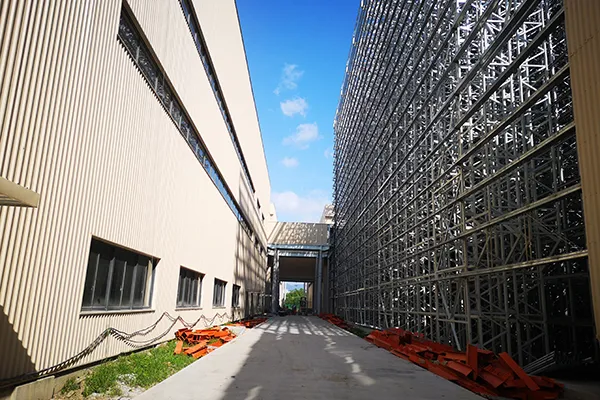
- High-Density Storage: By utilizing the entire vertical space and narrowing aisles, these automated cold storage units dramatically increase storage capacity compared to traditional warehouses.
- Unmanned Operations: The core storage area operates entirely without personnel, enhancing safety and eliminating the human cost and limitations associated with extreme environments.
- Real-Time Inventory Visibility: Every item is tracked by the WMS, providing accurate, real-time data on stock levels, location, and status, enabling flawless inventory management.
- Rapid Throughput: Automated systems can process inbound and outbound orders at speeds far exceeding manual operations, significantly reducing order cycle times.
Significant Advantages of Implementation
Adopting an automated deep freeze system yields substantial benefits across multiple dimensions:
- Dramatic Operational Efficiency: Automation slashes the time required for storage and retrieval tasks. Orders are fulfilled faster and with greater accuracy, leading to a more responsive supply chain.
- Substantial Labor Cost Reduction: By removing the need for personnel to work inside the freezing environment, companies save significantly on labor costs, specialized protective equipment, and associated training and insurance.
- Enhanced Product Quality and Safety: The precision of an automated Deep Freeze Warehouse minimizes temperature fluctuations and physical handling, drastically reducing the risk of product spoilage, freezer burn, and damage. This ensures the highest standards of food safety and pharmaceutical efficacy are maintained.
- Superior Energy Efficiency: Modern automated freezer warehouses are designed with sustainability in mind. The reduced frequency of door openings (due to unmanned operations), high-grade insulation, and energy-efficient refrigeration systems collectively lead to a marked decrease in energy consumption.
- Optimized Space Utilization: High-density racking allows businesses to store more products in the same or even a smaller physical footprint, reducing the cost per pallet position and maximizing the return on real estate investment.
- Unparalleled Accuracy and Traceability: Barcode scanning and system-integrated movements eliminate human error in picking and placing. Full traceability from receiving to dispatch is guaranteed, which is crucial for compliance and recall management.
Application Industries and Their Realized Benefits
The versatility of the automated freezer warehouse makes it a critical asset across various sectors:
- Food and Beverage Industry:
- Application: Storage of frozen meat, seafood, ready-to-eat meals, ice cream, and frozen vegetables.
- Key Benefit: Ensures long shelf life, preserves taste and nutritional value, and helps companies comply with stringent food safety regulations (e.g., HACCP, FDA).
- Pharmaceutical and Biotechnology:
- Application: Storage of vaccines, biologics, blood plasma, and temperature-sensitive APIs (Active Pharmaceutical Ingredients).
- Key Benefit: Maintains the strict “cold chain” required for drug potency and patient safety, providing a fully documented and auditable storage environment.
- Chemical Industry:
- Application: Storing certain chemicals, reagents, and compounds that require stable low-temperature conditions to prevent degradation or hazardous reactions.
- Key Benefit: Enhances workplace safety by minimizing human exposure and ensures the stability of sensitive materials.
- E-commerce Fulfillment for Perishables:
- Application: Fulfilling direct-to-consumer orders for frozen and specialty foods.
- Key Benefit: Enables rapid, accurate, and scalable order fulfillment to meet the demands of online retail, ensuring customers receive their products in perfect condition.
Conclusion
In conclusion, the rise of the automated Deep Freeze Warehouse marks a pivotal shift in cold chain management. It is no longer just a storage space but a dynamic, intelligent hub that guarantees product integrity, drives down operational costs, and empowers businesses to scale efficiently. As global trade in temperature-sensitive goods continues to expand, investing in this advanced freezer storage technology is not merely an option but a strategic necessity for any enterprise aiming to lead in quality, reliability, and efficiency.