Automated Warehouse Sortation System represents a transformative advancement in modern logistics, enabling warehouses to handle high volumes of goods with unparalleled accuracy and speed. By integrating robotics, sensors, and intelligent software, this sortation system streamlines operations from receiving to dispatch, reducing human error and operational costs. As e-commerce and supply chain demands grow, adopting such automated solutions becomes crucial for businesses seeking scalability and competitiveness. This article delves into the structural features, key components, functional traits, workflow processes, and industry applications of these systems, highlighting their advantages in today’s fast-paced market.
Introduction to Automated Sortation Systems
An Automated Warehouse Sortation System is a technology-driven solution designed to automatically identify, route, and sort items based on predefined criteria such as destination, size, or weight. Unlike manual sorting, which relies on human labor and is prone to errors, this system employs a combination of hardware and software to achieve efficient, continuous operation. It is particularly vital in environments with high throughput requirements, such as distribution centers and fulfillment hubs, where speed and accuracy are paramount.
The core principle involves using sensors and scanners to read barcodes or RFID tags, then directing items via conveyors or robotic arms to their appropriate locations. This not only enhances productivity but also supports real-time inventory management, making it a cornerstone of smart warehouses.
Structural Characteristics
The architecture of an Automated Warehouse Sortation System is engineered for robustness and adaptability, ensuring seamless integration into existing warehouse layouts. Key structural characteristics include:
- Modular Design: Most systems feature modular components that can be easily expanded or reconfigured to accommodate changing warehouse needs, such as seasonal peaks or business growth. This flexibility allows for scalable solutions without major overhauls.
- Durable Materials: Constructed from high-strength metals and composites, the framework withstands heavy loads and continuous operation, minimizing maintenance downtime. For instance, conveyor belts are often made from wear-resistant polymers to endure friction and environmental factors.
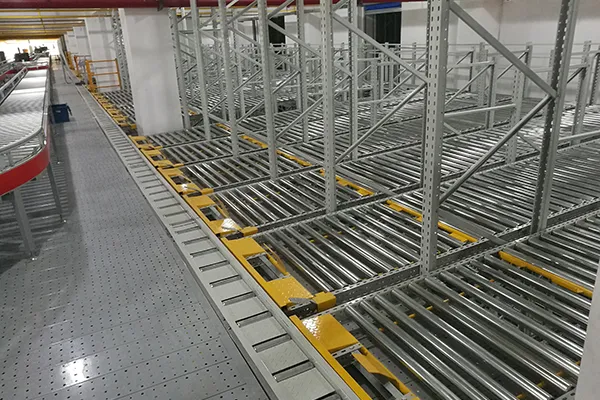
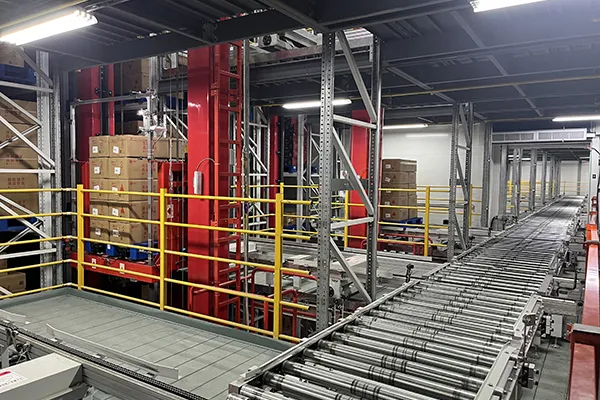
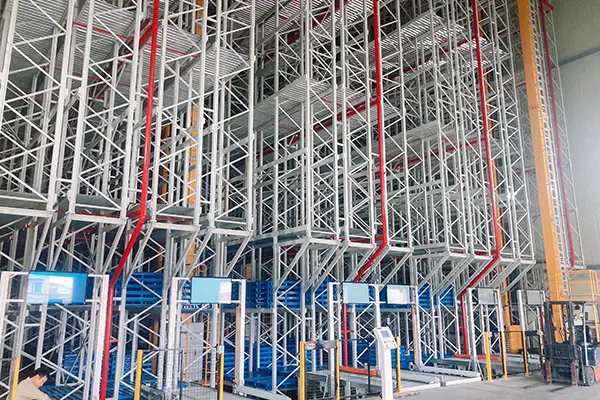
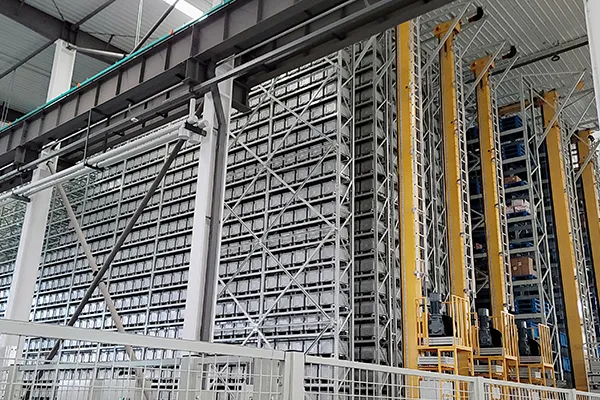
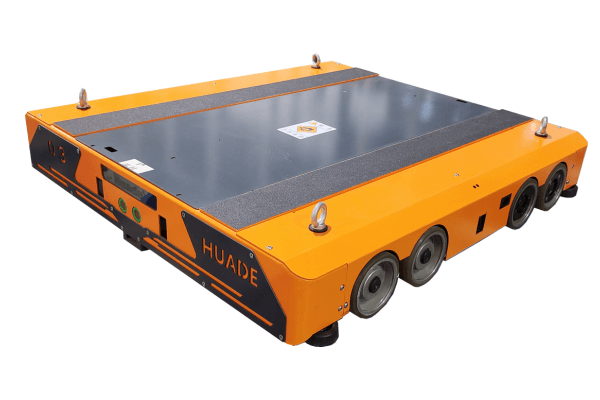
- Space Optimization: These systems are designed to maximize vertical and horizontal space utilization, often incorporating multi-level conveyors or automated guided vehicles (AGVs) that navigate tight spaces efficiently. This is essential for warehouses with limited floor area.
- Safety Integration: Built-in safety features, such as emergency stop buttons, collision avoidance sensors, and enclosed sorting zones, protect both workers and equipment, complying with industry standards like OSHA regulations.
Key Components
A typical Automated Warehouse Sortation System comprises several interconnected components that work in harmony to achieve precise sorting. These include:
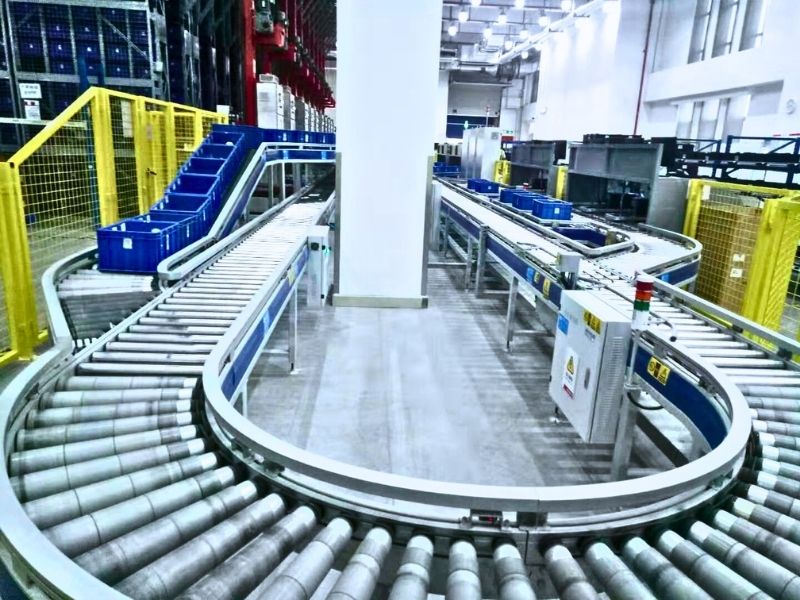
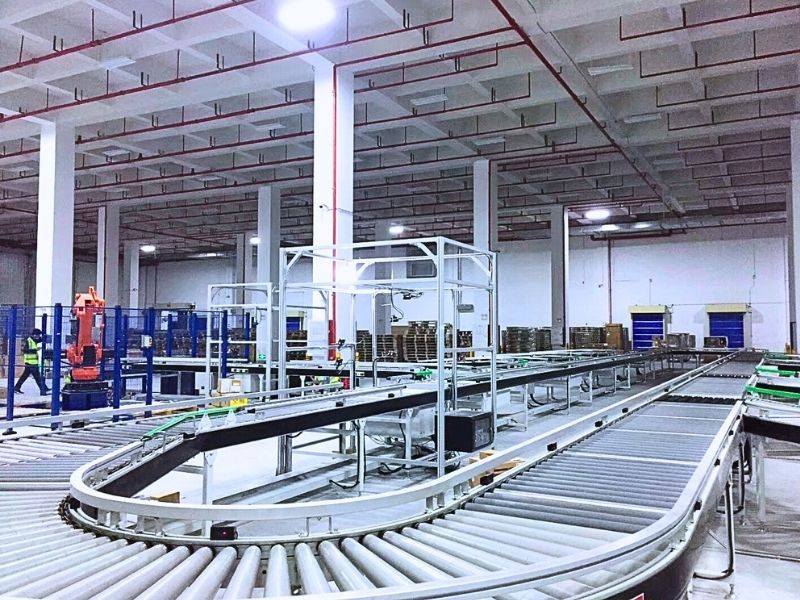
- Conveyor Systems: Serve as the backbone, transporting items through various stages of the sorting process. Types include belt conveyors, roller conveyors, and tilt-tray conveyors, each suited for different item sizes and weights.
- Scanning and Identification Devices: Utilize barcode scanners, RFID readers, or vision systems to capture item data, enabling accurate tracking and routing. For example, RFID technology allows for non-line-of-sight reading, improving efficiency in dense environments.
- Sorting Mechanisms: Diversified methods such as push diverters, pop-up wheels, or cross-belt sorters physically direct items to designated chutes or lanes based on software commands.
- Control Software and PLCs: The brain of the operation, programmable logic controllers (PLCs) and warehouse management systems (WMS) coordinate all activities, from data processing to real-time adjustments, ensuring synchronization across components.
- User Interface Panels: Provide operators with intuitive controls for monitoring system performance, troubleshooting issues, and updating sorting parameters as needed.
Functional Features
The functionality of an Automated Warehouse Sortation System extends beyond basic sorting to include advanced capabilities that enhance overall warehouse efficiency. Notable features are:
- High-Speed Operation: Capable of processing thousands of items per hour, significantly outpacing manual methods. This is achieved through optimized algorithms and rapid-response actuators.
- Accuracy and Error Reduction: With automated scanning and sorting, error rates drop to less than 1%, reducing mis-ships and returns. Machine learning algorithms can further improve accuracy by learning from historical data.
- Real-Time Data Analytics: Integrated software provides insights into throughput rates, bottleneck identification, and predictive maintenance, enabling proactive decision-making.
- Customizability: Systems can be programmed to handle diverse sorting criteria, such as by ZIP code, product type, or priority level, adapting to specific business rules.
- Energy Efficiency: Many modern systems incorporate energy-saving modes, such as variable speed drives, which reduce power consumption during low-activity periods, aligning with sustainability goals.
Workflow Process
The workflow of an Automated Warehouse Sortation System follows a logical sequence to ensure smooth item handling from intake to dispatch:
- Induction: Items are fed into the system via loading stations, where they are singulated (separated) to prevent jams and ensure accurate scanning.
- Identification and Scanning: As items move along conveyors, scanners read barcodes or RFID tags to capture essential data like destination and dimensions. This information is transmitted to the central control system.
- Routing Decision: The control software processes the data and determines the optimal sorting path based on predefined rules, such as grouping items for specific shipments or zones.
- Sorting Execution: Actuators or diverters physically redirect items to appropriate lanes or chutes. For instance, a cross-belt sorter might gently slide items onto designated trays for onward transport.
- Consolidation and Dispatch: Sorted items are accumulated in designated areas, checked for accuracy, and prepared for loading onto trucks or further processing, completing the cycle with minimal human intervention.
Application Industries and Advantages
Automated sortation systems find applications across various sectors, each benefiting from tailored implementations:
- E-commerce and Retail: Handles high volumes of small parcels during peak seasons, enabling faster order fulfillment and improved customer satisfaction. Advantages include reduced labor costs and enhanced scalability.
- Manufacturing: Sorts raw materials, components, and finished goods in production lines, facilitating just-in-time inventory management and supply chain agility.
- Pharmaceuticals and Healthcare: Ensures precise sorting of sensitive items like medications, maintaining compliance with regulatory standards and reducing contamination risks.
- Logistics and Distribution: Optimizes cross-docking and hub operations, cutting transit times and increasing throughput.
Overall advantages of these systems encompass: - Cost Savings: Lower reliance on manual labor reduces long-term operational expenses, while minimized errors decrease financial losses from returns.
- Scalability: Easily expandable modules allow businesses to grow without disruptive infrastructure changes.
- Enhanced Productivity: Continuous operation and faster processing times lead to higher output, supporting business expansion.
- Improved Safety: Automated handling reduces workplace accidents, fostering a safer environment for employees.
- Data-Driven Insights: Real-time analytics empower managers to optimize workflows and anticipate demand shifts.
Conclusion and Future Outlook
In summary, the Automated Warehouse Sortation System is a pivotal innovation in logistics, offering unmatched efficiency, accuracy, and adaptability. As technologies like AI and IoT evolve, these systems will become even more intelligent, enabling predictive sorting and deeper integration with supply chain networks. Businesses that invest in such automation today position themselves for future growth and resilience in an increasingly competitive landscape.