Introduction
An Automated Conveyor Solution often serves as the first step businesses take when modernizing outdated storage facilities, yet the true revolution in warehouse transformation lies in deploying a comprehensive 4 Way Shuttle Warehouse system that redefines what an aging industrial space can achieve. Across the globe, thousands of warehouses built decades ago continue to operate with conventional racking layouts, wide forklift aisles, and manual processes that squander both cubic space and labor efficiency. These legacy facilities, often situated in prime logistics locations with convenient highway access and established supply chain connections, represent untapped potential rather than obsolete liabilities. Transforming such a warehouse into a 4 Way Shuttle Warehouse unlocks storage densities and throughput capabilities that rival newly constructed automated facilities, all while preserving the location advantages and avoiding the prohibitive costs of greenfield development. This comprehensive guide walks you through the entire transformation journey, from initial assessment through final commissioning, demonstrating how a four-way shuttle system breathes new life into old industrial spaces.
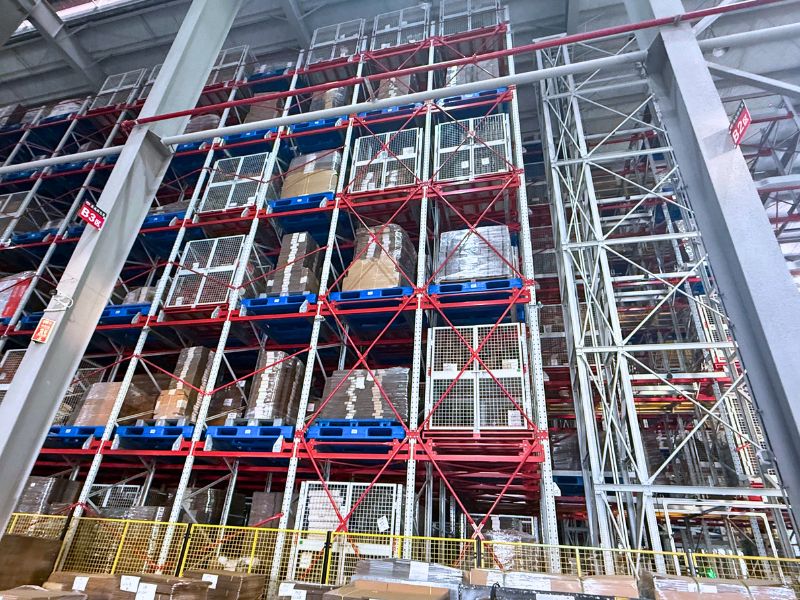
Assessing Your Existing Warehouse Infrastructure
Before any transformation into a 4 Way Shuttle Warehouse can begin, a thorough evaluation of the existing facility establishes the foundation for all subsequent design decisions. This assessment extends far beyond simple length and width measurements, encompassing structural, environmental, and operational factors that influence system feasibility and configuration. The building’s floor flatness and load-bearing capacity demand particular attention, as four-way shuttle racking systems require precise surface tolerances to ensure smooth shuttle travel and reliable positioning. Similarly, the roof structure and column grid must be carefully documented, as these elements determine maximum racking heights and optimal aisle orientations. Understanding existing power supply capacity, network infrastructure, and environmental control systems allows engineers to plan the integration of shuttle charging stations, communication networks, and any necessary climate modifications without costly surprises during installation.
- Floor flatness surveys using laser measurement equipment to identify high spots and depressions requiring remediation
- Structural analysis of floor slabs to confirm adequate load-bearing capacity for high-density racking configurations
- Column grid mapping to optimize racking row placement and minimize obstruction impacts
- Roof height clearance verification including sprinkler systems, lighting fixtures, and HVAC ductwork
- Electrical infrastructure assessment for shuttle charging stations and control system power requirements
- Network connectivity evaluation to support real-time shuttle communication and warehouse control software
Understanding the 4 Way Shuttle Warehouse Technology
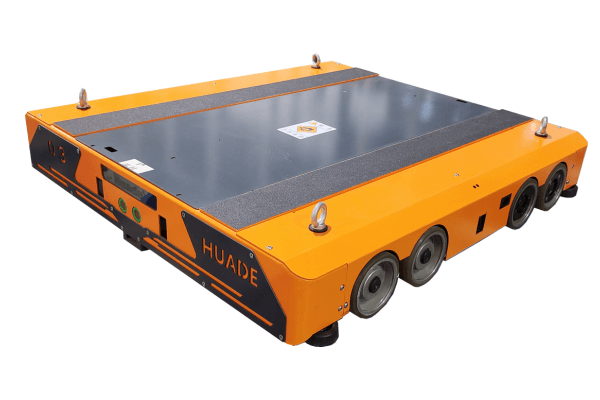
A 4 Way Shuttle Warehouse operates on fundamentally different principles than traditional pallet racking systems. Unlike conventional forklift-served storage where every pallet movement requires a human operator traveling to the load location, the 4 way pallet shuttle is an autonomous battery-powered vehicle that travels within the racking structure itself. The defining characteristic that gives the system its name is the shuttle’s ability to move in four directions—forward and backward along the storage lanes, and laterally across aisles using integrated rail-switching mechanisms or transfer cars. This four-directional mobility allows a single shuttle to service multiple storage lanes across different levels, dramatically reducing the number of automated vehicles required compared to lane-dedicated shuttle systems. When integrated with vertical lifts or elevators at the racking face, the 4 way shuttle system achieves full three-dimensional access to every storage position within the racking structure, enabling automated putaway and retrieval without dedicated machinery for each aisle or level.
Planning the Layout Transformation
Converting an old warehouse into a 4 Way Shuttle Warehouse requires reimagining the entire floor plan from first principles. The wide aisles that once accommodated forklift turning radii become valuable storage real estate when reconfigured for shuttle-compatible racking. Design engineers work with the existing column grid to position racking rows that maximize lane depth while maintaining structural clearances. The number and placement of vertical lifts at the racking face directly influence system throughput capacity, with additional lifts enabling higher transaction rates at incremental cost. Careful consideration of material flow patterns ensures that receiving, storage, picking, and shipping zones connect logically through the 4 way shuttle warehouse layout. Unlike greenfield projects where the building can be designed around the automation system, retrofit transformations require creative problem-solving to work within existing constraints while still achieving the storage density and throughput objectives that justify the investment.
Floor Preparation and Surface Requirements
The performance of any 4 Way Shuttle Warehouse depends critically on the quality of the floor surface upon which shuttles travel and racking structures stand. Older warehouses frequently exhibit floor conditions that fall short of the tolerances required for reliable automated shuttle operation. Cracks, settlement, spalling, and uneven joints that pose no problem for forklift traffic can cause shuttle positioning errors, accelerated wheel wear, and inconsistent load handling. Floor remediation typically involves grinding high spots, filling low areas with epoxy or polymer-modified compounds, and applying surface hardeners or coatings that resist the concentrated wheel loads of loaded shuttles. In severe cases, sections of floor may require complete replacement or the installation of steel runner plates along shuttle travel paths. The investment in proper floor preparation pays dividends through years of reliable 4 way shuttle operation, reduced maintenance costs, and consistent system throughput.
- Concrete grinding and leveling to achieve surface flatness tolerances specified by shuttle manufacturer
- Crack repair using epoxy injection or routing and sealing techniques to prevent propagation
- Application of wear-resistant surface coatings rated for concentrated wheel loads
- Installation of embedded steel rails or runner plates in high-traffic shuttle pathways
- Joint treatment to eliminate differential settlement between adjacent floor slabs
- Moisture barrier assessment and remediation to prevent coating delamination
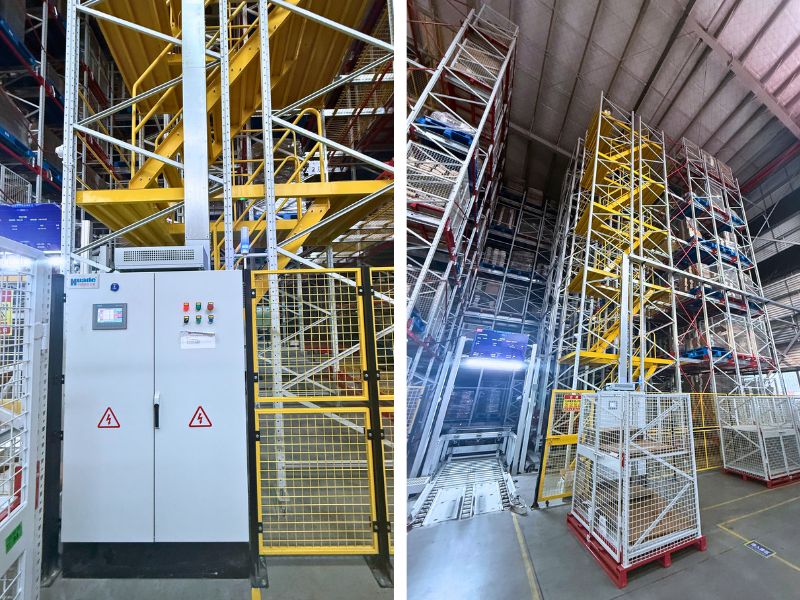
Integrating Conveyor and Material Handling Systems
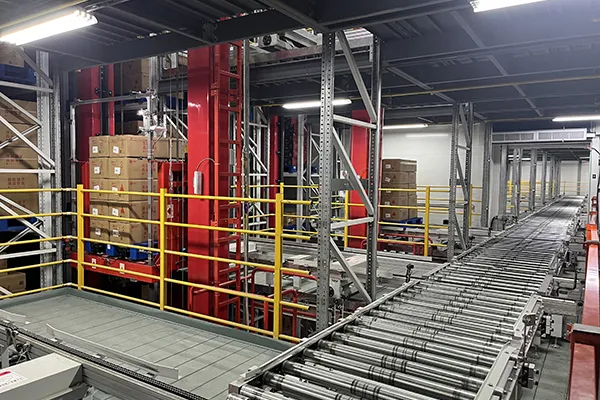
While the 4 Way Shuttle Warehouse handles storage and retrieval within the racking structure, efficient material flow requires seamless integration with conveyor systems that connect the automated storage zone to receiving docks, picking stations, and shipping areas. Inbound pallets arriving at receiving are transported via chain or roller conveyors to the vertical lift input stations serving the shuttle racking system. Retrieved pallets exit through the same lift stations and travel along outbound conveyor lines to picking zones, stretch wrapping stations, or directly to shipping docks. This conveyor integration eliminates the forklift traffic that would otherwise compromise the safety and efficiency gains achieved through shuttle automation. The four-way shuttle system and conveyor network operate under unified warehouse control software that optimizes the flow of goods across all subsystems, ensuring that conveyors deliver loads to lifts precisely when shuttles are available to receive them, and that retrieved loads move immediately to their next processing step without accumulating in buffer zones.
Racking Structure Design for Shuttle Compatibility
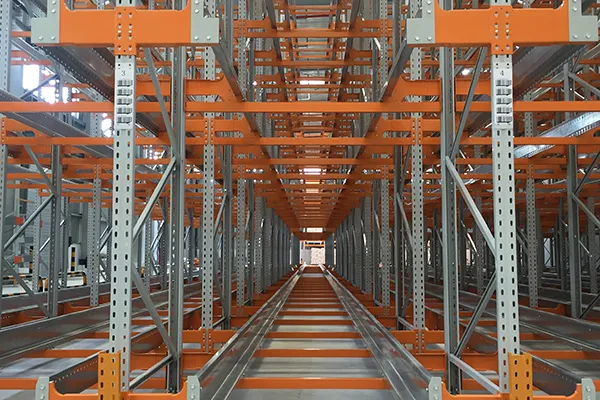
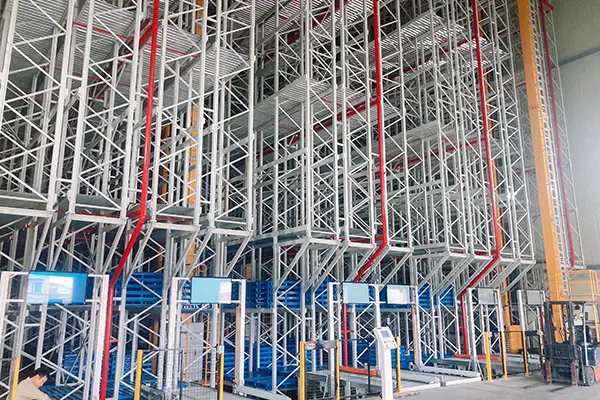
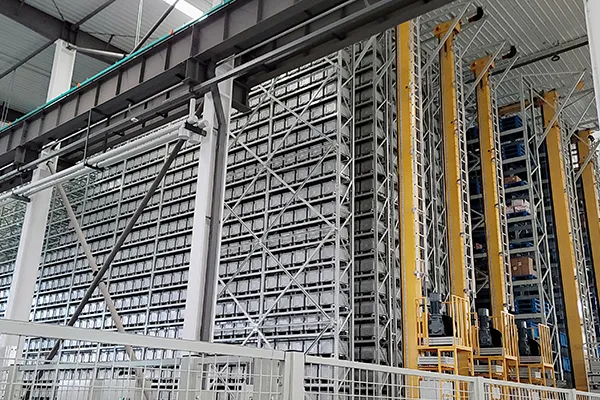
The racking structure within a 4 Way Shuttle Warehouse differs significantly from standard selective pallet racking. Deep-lane configurations maximize storage density by placing multiple pallets in each lane, accessed by the shuttle traveling within the racking bay. The racking must incorporate guide rails along each lane that the shuttle follows during travel, with precise alignment tolerances maintained across the entire structure height. Load-bearing rails support pallets within each storage position, designed to accommodate the specific pallet type and load weight characteristics of the operation. The racking structure also integrates the vertical lift guide systems at the face, ensuring smooth transfer of pallets between lifts and shuttle vehicles. Structural engineering calculations account for the dynamic loads imposed by moving shuttles and their payloads, seismic considerations appropriate to the geographic location, and the cumulative weight of fully loaded lanes in high-density configurations.
Software Integration and Warehouse Control
The intelligence driving a 4 Way Shuttle Warehouse resides in the software systems that orchestrate every movement of shuttles, lifts, and conveyors. Warehouse Control Software communicates directly with shuttle onboard controllers, issuing movement commands, monitoring battery levels, and coordinating traffic flow to prevent conflicts. At a higher level, Warehouse Management Software maintains inventory records, optimizes storage location assignments, and prioritizes work queues based on order urgency and operational efficiency. The integration between these software layers and the enterprise resource planning system ensures that inventory transactions update in real time as shuttles complete putaway and retrieval operations. For businesses transforming an old warehouse, this software implementation represents both a challenge and an opportunity—the chance to establish digital inventory control processes that may have been absent or inadequate in the legacy operation.
Phased Implementation Strategies
Transforming an operational warehouse into a 4 Way Shuttle Warehouse rarely occurs as a single event. Most businesses cannot afford to shut down operations entirely during the conversion period, making phased implementation essential. A typical approach divides the warehouse into zones, converting one section to shuttle racking while continuing conventional operations in the remainder of the facility. Inventory is gradually migrated from old racking to the new automated system as each phase completes. This staged methodology allows the workforce to adapt progressively to new processes, provides opportunities to refine system parameters based on early operational experience, and spreads capital expenditure across budget periods. Careful planning of the phase sequence ensures that each completed section delivers immediate operational benefits while setting up the next phase for efficient execution.
- Zone-by-zone conversion maintains partial operations throughout the transformation
- Inventory migration planning prevents stockouts during transition periods
- Early phases target highest-density or highest-throughput product categories for maximum initial impact
- Lessons learned from each phase inform refinements to subsequent implementations
- Capital expenditure distributed across fiscal periods to align with budget cycles
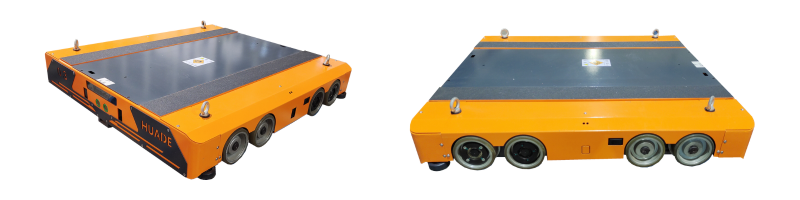
Training and Change Management
The human dimension of transforming into a 4 Way Shuttle Warehouse deserves as much attention as the technical implementation. Warehouse staff accustomed to forklift operation and manual processes must develop new competencies in system monitoring, exception handling, and data-driven decision making. Comprehensive training programs cover normal operating procedures, common fault recovery protocols, and safety requirements specific to automated shuttle systems. Change management communication helps personnel understand how their roles evolve rather than disappear, emphasizing the upskilling opportunities that automation creates. When employees embrace the four-way shuttle technology as a tool that enhances their capabilities rather than threatens their employment, the transformation achieves not only technical success but also organizational alignment that sustains long-term operational excellence.
Measuring ROI
The business case for converting an old warehouse into a 4 Way Shuttle Warehouse rests on quantifiable performance improvements that translate directly to financial returns. Storage density typically increases by 60 to 100 percent compared to conventional racking configurations, enabling inventory consolidation from multiple facilities or accommodating growth without physical expansion. Labor productivity improves as shuttle automation eliminates the travel time that consumes the majority of forklift operator shifts. Order accuracy rises through system-directed putaway and retrieval that eliminates misplacement errors. Energy costs may decrease as reduced forklift fleets lower fuel or battery charging demands. The following table summarizes key performance metrics that businesses can expect when transforming to a 4 way shuttle system.
| Performance Metric | Typical Improvement | Business Impact |
| Storage density | 60-100% increase | Consolidation of multiple warehouses into single facility |
| Labor productivity | 200-300% improvement | Reduced headcount or redeployment to value-added roles |
| Order accuracy | 99.5%+ achievement | Lower returns, fewer customer service interventions |
| Energy consumption | 30-50% reduction | Lower utility costs, improved sustainability profile |
| Throughput capacity | 150-200% increase | Higher order volumes without facility expansion |
Selecting the Right Technology Partner
The success of a 4 Way Shuttle Warehouse transformation depends substantially on the expertise and reliability of the technology provider. The ideal partner brings not only proven shuttle hardware and software but also extensive experience in retrofit projects where existing building constraints demand creative engineering solutions. Evaluation criteria should include the provider’s track record with similar transformations, the robustness of their shuttle technology as demonstrated through reference installations, the sophistication of their control software, and the comprehensiveness of their after-sales support infrastructure. A provider offering turnkey project management—from initial site survey through system commissioning and ongoing maintenance—simplifies the transformation journey and provides single-point accountability for system performance.
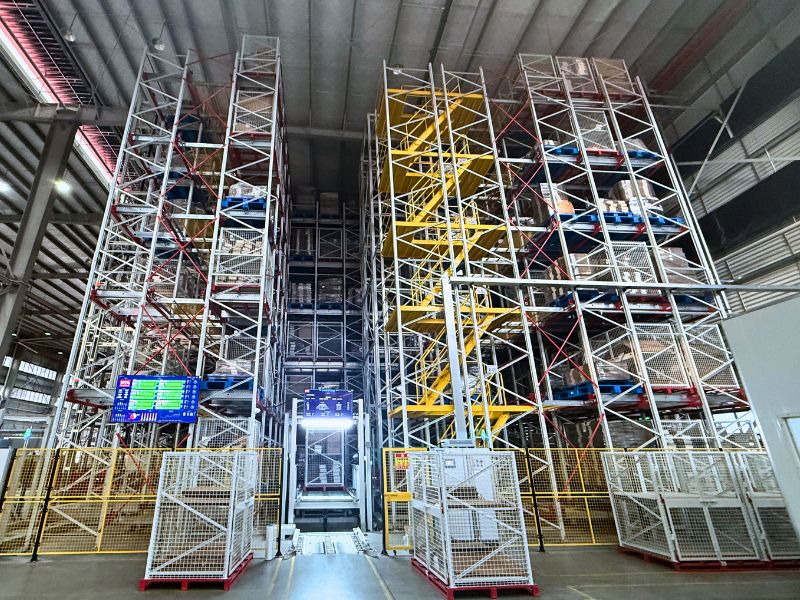
Conclusion
Transforming an aging warehouse into a 4 Way Shuttle Warehouse represents one of the most impactful investments a logistics-intensive business can make. The combination of dramatically increased storage density, substantially reduced labor dependency, and significantly improved operational accuracy creates a compelling value proposition that extends across decades of operation. By leveraging existing facility locations and structures while deploying cutting-edge four-way shuttle automation, businesses achieve the performance characteristics of modern automated warehouses at a fraction of the cost and time required for greenfield construction. The transformation journey requires careful planning, phased execution, and partnership with experienced technology providers, but the destination—a high-density, high-efficiency 4 Way Shuttle Warehouse operating within a once-obsolete facility—delivers competitive advantages that resonate through every aspect of the supply chain. We invite you to contact our engineering team to begin the assessment process and discover how your existing warehouse can be reimagined as a state-of-the-art automated storage powerhouse.