Introduction
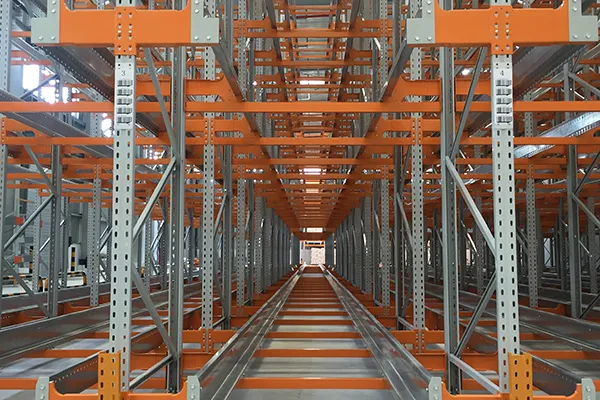
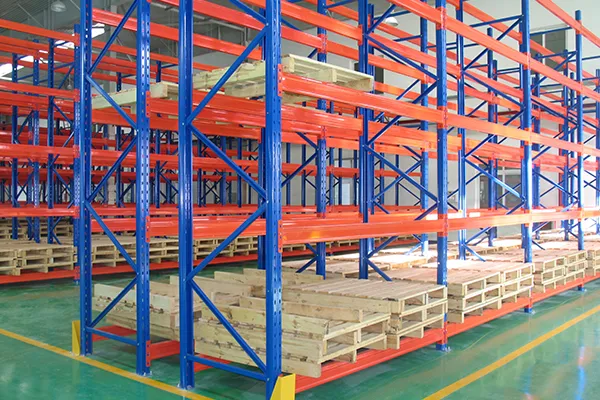
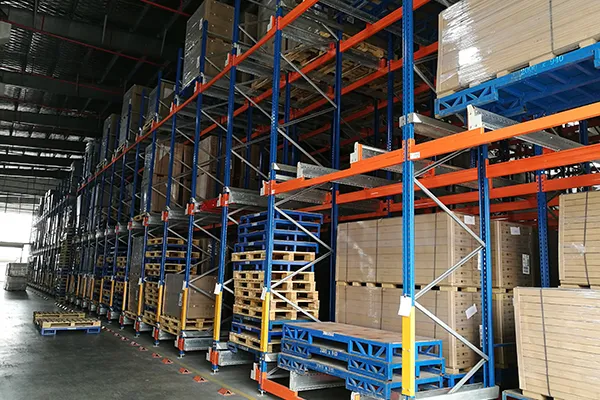
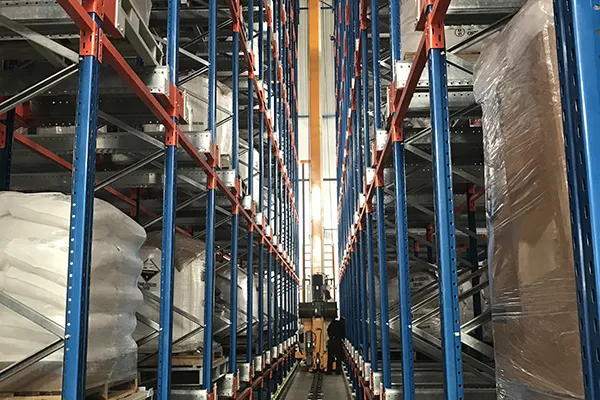
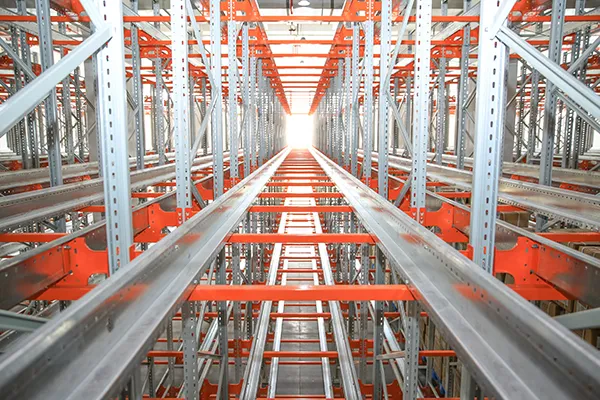
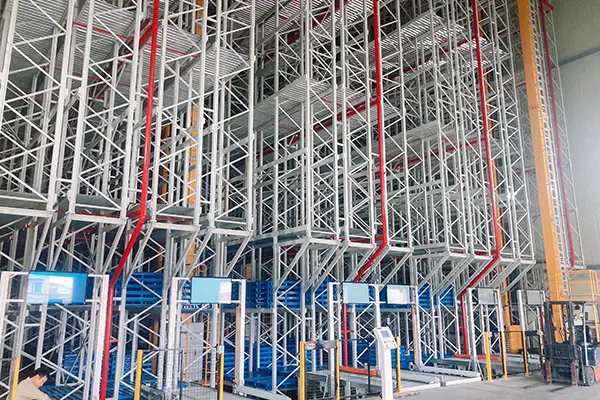
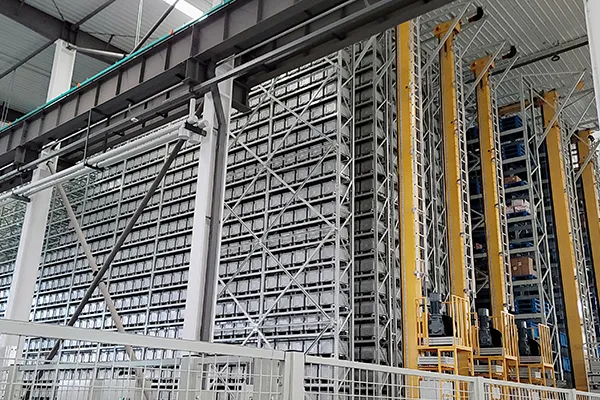
Building a Radio Shuttle Racking Warehouse represents one of the most strategic investments a growing business can make in its logistics infrastructure. This high-density, semi-automated storage solution combines the structural integrity of pallet racking with the speed and precision of a motorized shuttle cart, creating a storage environment that maximizes every cubic meter of available space while dramatically improving operational throughput. Whether you are constructing a new cold storage facility, expanding an existing distribution center, or seeking to optimize a warehouse that has outgrown its current layout, understanding the complete journey from initial planning to final commissioning is essential. In this comprehensive guide, we walk you through the entire process of building a perfect shuttle racking warehouse, highlighting how a reliable partner transforms complex engineering challenges into a seamless, turnkey storage solution.
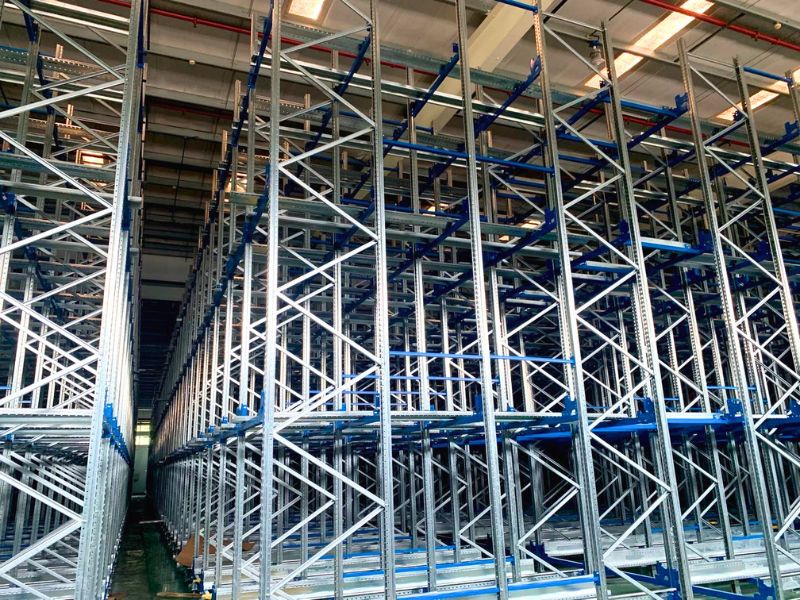
Preparing Your Warehouse Specifications and Operational Data
Every successful radio shuttle racking project begins long before the first beam is manufactured. The foundation of a perfect shuttle racking warehouse rests on meticulous preparation and accurate data collection. Before reaching out to any storage equipment provider, you should compile a comprehensive dossier of your facility’s characteristics and operational requirements. This preparatory work not only accelerates the design phase but also ensures that the resulting shuttle racking system aligns precisely with your business needs.
Start by documenting the physical dimensions of your warehouse space with precision. Measure the total floor area available for racking installation, but pay equal attention to vertical clearance. The beauty of a radio shuttle system lies in its ability to exploit height, so knowing the exact distance from finished floor to the lowest overhead obstruction—whether that be lighting fixtures, sprinkler heads, or structural beams—is critical. Note the locations of all columns, doorways, loading docks, and any other architectural features that might influence racking layout. Floor flatness and load-bearing capacity are equally important; shuttle carts require level surfaces to operate reliably, and the concrete slab must support the concentrated loads transmitted through racking uprights.
Beyond the building itself, you must thoroughly characterize the goods destined for storage. Document the dimensions and weight of every pallet type that will enter the system, including any variations in pallet construction material, overhang, or bottom board configuration. The shuttle cart interacts directly with pallet bases, so understanding these details ensures proper cart specification. Inventory characteristics such as product fragility, temperature sensitivity, and required rotation method—First-In-First-Out or Last-In-First-Out—will influence lane depth design and operational protocols. Finally, establish clear throughput targets: how many pallets must enter and exit the system per hour, per shift, or per day? These figures determine the number of shuttle carts required and the optimal lane configuration.
- Accurate warehouse dimensions including floor area, ceiling height, and column locations
- Comprehensive pallet specifications covering dimensions, weight, and base construction
- Inventory characteristics such as fragility, temperature requirements, and rotation method
- Throughput targets expressed in pallet movements per operational period
- Future growth projections to ensure the system accommodates expansion without major reconfiguration
Engaging a Professional Storage Equipment Partner
With your operational data compiled, the next phase involves selecting and engaging a qualified storage equipment company. This decision carries enormous weight, as the expertise, manufacturing quality, and service commitment of your chosen partner will reverberate through every subsequent stage of the project. A reputable radio shuttle racking provider brings decades of engineering experience to the table, transforming your raw specifications into a finely tuned storage ecosystem.
When you initiate contact with our team, the process begins with a thorough consultation. We listen carefully to your operational challenges, growth aspirations, and any constraints that might shape the solution. Unlike generic racking suppliers who offer one-size-fits-all proposals, we invest time in understanding the nuances of your business. This consultative approach ensures that the resulting shuttle racking system addresses not just your current pain points but also anticipates future requirements. During these initial discussions, we review your prepared data, ask probing questions about workflow patterns, and begin forming the conceptual framework of your customized solution.
A site survey typically follows the initial consultation. Our technical specialists visit your facility to verify measurements, assess floor conditions, evaluate access routes for installation equipment, and identify any site-specific challenges that might affect implementation. This on-the-ground assessment catches details that photographs and drawings might miss, such as subtle floor undulations, overhead obstructions at specific angles, or dock configurations that influence material flow. The site survey transforms abstract specifications into concrete, buildable parameters that guide the detailed engineering phase.
Collaborative Design and Solution Engineering
Armed with verified site data and a deep understanding of your operational requirements, our engineering team commences the detailed design of your radio shuttle racking system. This phase represents the intellectual heart of the project, where structural engineering principles, material science, and logistics optimization converge to create a storage solution greater than the sum of its parts.
The design process begins with lane configuration planning. Using specialized software, our engineers model various layout scenarios to identify the optimal arrangement of racking rows, lane depths, and aisle widths. For a shuttle racking system, lane depth is a particularly critical variable. Deeper lanes maximize storage density but reduce the number of individual SKU locations, while shallower lanes offer greater selectivity at the cost of overall capacity. Our team analyzes your inventory profile—the number of distinct SKUs, the pallet quantity per SKU, and rotation requirements—to strike the perfect balance between density and accessibility.
Structural calculations run in parallel with layout design. Every component of the radio shuttle racking structure—upright frames, horizontal braces, beam connectors, and base plates—undergoes rigorous engineering analysis to ensure compliance with applicable standards and your specified load requirements. We factor in not only static loads from stored pallets but also dynamic forces generated by shuttle cart acceleration and deceleration, forklift interactions, and potential seismic events depending on your geographic location. The resulting design specifies precise material grades, steel thicknesses, and connection details that guarantee structural integrity across decades of intensive use.
Throughout this engineering phase, we maintain active communication with your team. Preliminary layouts are shared for review, feedback is solicited on lane configurations and workflow patterns, and adjustments are incorporated iteratively. This collaborative approach ensures that the final design reflects not just engineering best practices but also the practical insights of the people who will operate the system daily. We encourage clients to challenge assumptions, propose alternatives, and test scenarios—every round of refinement brings the design closer to perfection.
- Lane depth optimization balancing storage density against SKU selectivity requirements
- Structural engineering calculations covering static, dynamic, and seismic load conditions
- Shuttle cart specification matching pallet characteristics and throughput demands
- Iterative design reviews incorporating client feedback at each development stage
- 3D visualizations and simulation models demonstrating system performance under real-world conditions
Finalizing the Partnership and Moving to Production
Once the radio shuttle racking design achieves mutual approval, we formalize the partnership through a comprehensive agreement that documents every aspect of the project scope. This agreement covers technical specifications, component quantities, delivery timelines, installation schedules, and warranty terms. Transparency at this stage eliminates ambiguity and establishes clear expectations for both parties. We believe that a well-documented project foundation prevents misunderstandings and builds the trust essential for long-term collaboration.
With the agreement executed, your radio shuttle racking system enters the manufacturing phase. Our production facilities employ advanced fabrication technologies—CNC punching, robotic welding, and automated powder coating lines—to transform raw steel into precision-engineered racking components. Quality control permeates every production stage. Incoming steel coils undergo material certification verification. Fabricated components are dimensionally inspected against engineering drawings. Welds receive both visual and non-destructive testing. Finished products pass through final quality gates before receiving protective packaging tailored to the shipping method and destination.
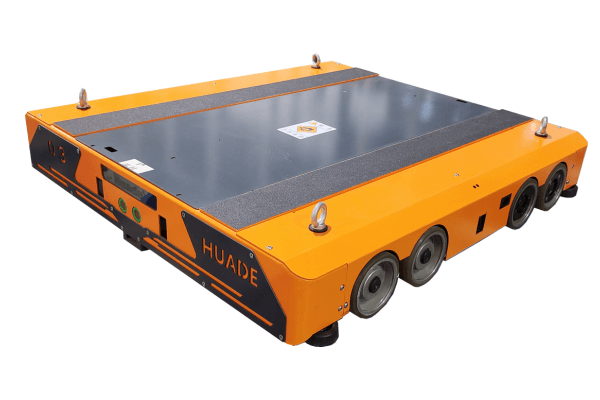
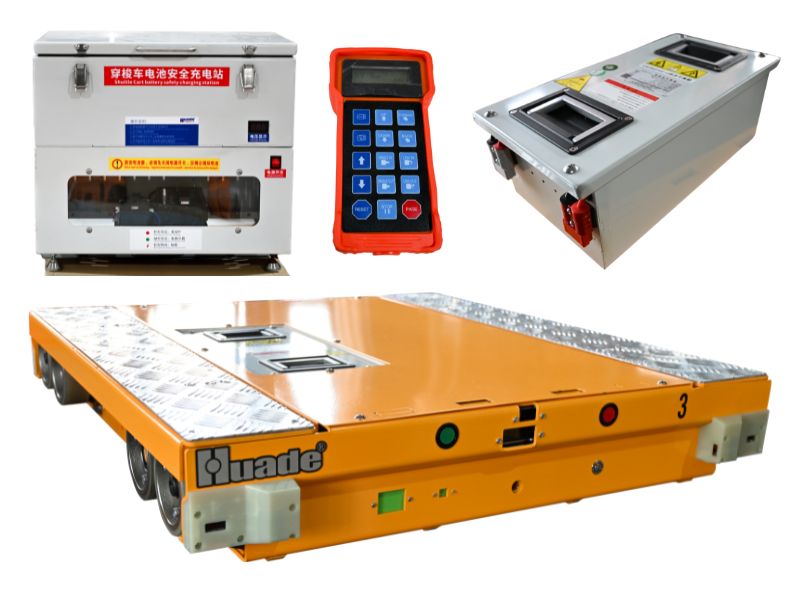
The radio shuttle racking warehouse equipment themselves receive particular manufacturing attention. These sophisticated devices integrate electric motors, battery systems, control electronics, and mechanical lifting mechanisms into compact, robust packages capable of operating reliably in demanding warehouse environments. Each cart undergoes functional testing on a dedicated test lane before shipment, verifying travel speed, lifting performance, communication reliability, and safety sensor operation. Only carts that pass every test parameter receive clearance for delivery.
Logistics, Delivery, and On-Site Installation
The logistics of delivering a complete radio shuttle racking system require careful orchestration. Our logistics team coordinates shipping schedules to align with your site readiness, ensuring that components arrive neither too early—risking damage or theft at an unprepared site—nor too late—delaying installation and project completion. For international projects, we manage all aspects of export documentation, customs clearance, and inland transportation, providing you with shipment tracking visibility throughout the journey.
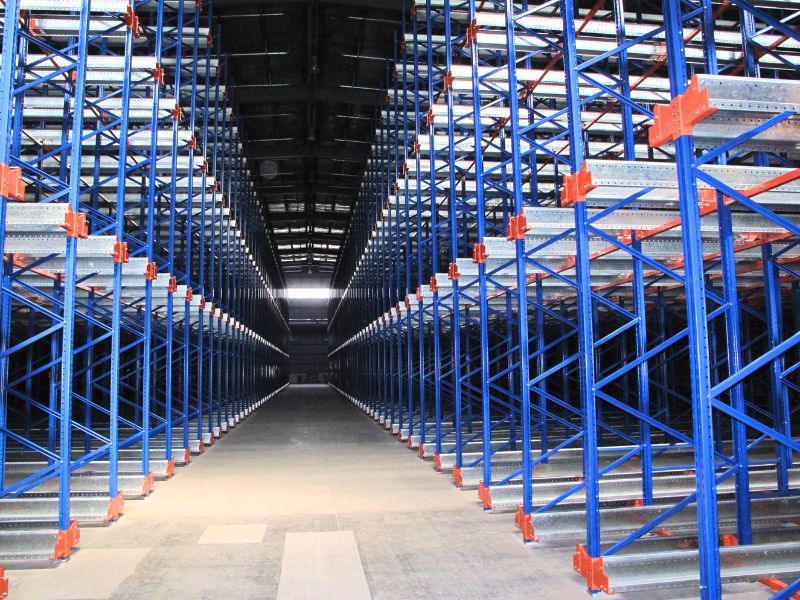
Upon arrival at your facility, our installation team takes charge of the physical build. We dispatch experienced installation supervisors—specialists who have erected shuttle racking systems across diverse facilities and conditions—to lead the on-site assembly process. These experts understand the critical tolerances that distinguish a properly installed racking system from one that will cause ongoing operational headaches. They ensure uprights are plumb within specification, beam connections are fully engaged and secured with safety locks, and lane rails meet the straightness and levelness requirements essential for reliable shuttle cart operation.
The installation phase includes comprehensive system commissioning. Our technicians install the shuttle carts, configure the remote control systems, and conduct exhaustive testing across every lane. They verify that carts transition smoothly between the racking structure and transfer forklifts, that communication remains stable throughout the storage area, and that safety sensors respond correctly to obstructions. Only when every lane, every cart, and every control function performs to specification do we declare the system ready for handover.
- Coordinated shipping schedules aligned with site readiness and project timelines
- Experienced installation supervisors ensuring precision assembly and structural compliance
- Comprehensive system commissioning covering all mechanical, electrical, and control functions
- Operator training programs building in-house competence for daily system operation
Training, Handover, and Ongoing Support
A radio shuttle racking system represents a significant technological investment, and extracting maximum value from that investment requires capable operators. Our commissioning process includes structured training programs for your warehouse personnel. We train operators on proper shuttle cart handling, remote control operation, routine maintenance procedures, and basic troubleshooting. We train supervisors on system diagnostics, performance optimization techniques, and safety protocol enforcement. This knowledge transfer ensures that your team achieves self-sufficiency while knowing that expert support remains available whenever needed.
The handover milestone marks the transition from project execution to operational reality, but our commitment extends far beyond this point. We provide comprehensive after-sales support designed to keep your shuttle racking system performing at peak efficiency throughout its service life. This support encompasses multiple dimensions. Technical assistance remains available by phone, email, or video call for operational questions or troubleshooting guidance. Spare parts inventories are maintained for rapid dispatch when replacements are needed. Preventive maintenance programs offer scheduled inspections and servicing that catch minor issues before they escalate into costly downtime.
For clients seeking maximum operational assurance, we offer extended warranty packages and service level agreements that guarantee response times, parts availability, and on-site technical support. These programs transform unpredictable maintenance costs into manageable, budgeted expenses while providing the peace of mind that comes from knowing your storage infrastructure is backed by the experts who designed and built it.
Conclusion
Building a perfect radio shuttle racking warehouse is a journey that spans meticulous preparation, collaborative engineering, precision manufacturing, expert installation, and sustained support. Each phase builds upon the previous one, and the quality of execution at every stage determines the long-term performance of the finished system. By partnering with a storage equipment provider that combines engineering depth, manufacturing excellence, and genuine service commitment, you transform what could be a complex and stressful capital project into a structured, transparent, and ultimately rewarding experience. The result is a shuttle racking solution that maximizes your warehouse capacity, accelerates your material handling operations, and provides a scalable platform for future growth. We invite you to contact our team today to begin the conversation about your radio shuttle racking warehouse project—let us demonstrate how our expertise, quality, and reliability can turn your storage challenges into competitive advantages.