Introduction
In the rapidly evolving landscape of global logistics and manufacturing, operational efficiency and accuracy are paramount. For businesses seeking a transformative edge, the Stacker Crane Warehouse Solution stands out as a cornerstone of modern automation. This system is not merely an upgrade to manual processes; it represents a fundamental shift towards intelligent, data-driven, and resilient storage and retrieval operations. By automating the core movement of goods within a warehouse, it addresses critical challenges such as labor shortages, space constraints, and the relentless pressure for faster order fulfillment. This article delves into the compelling reasons why adopting a stacker crane-based automated system is a strategic investment for future-proofing your supply chain.
Core Advantages: Beyond Automation
The decision to implement a Stacker Crane Warehouse Solution is driven by its multifaceted benefits that deliver tangible returns on investment. These systems are engineered to excel in several key areas.
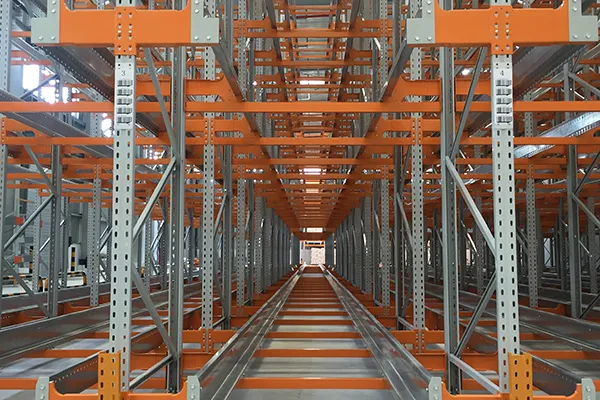
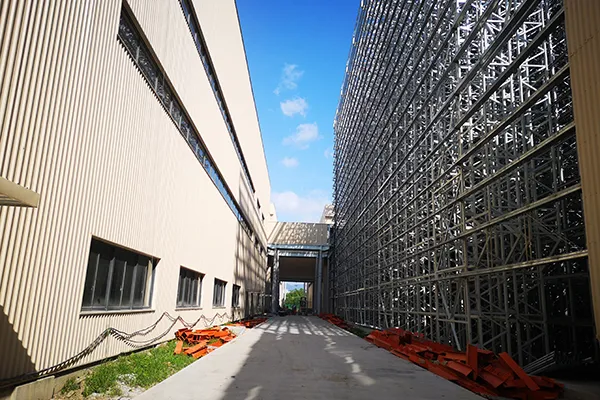
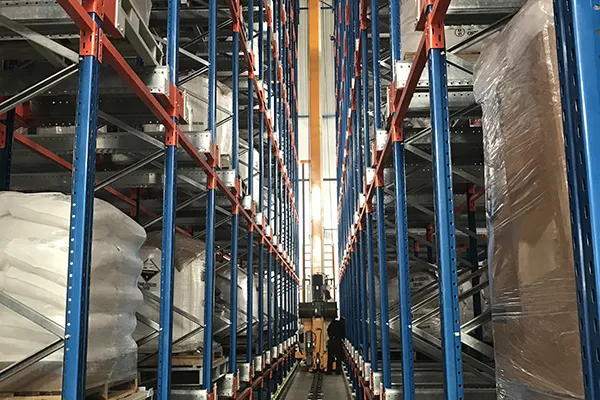
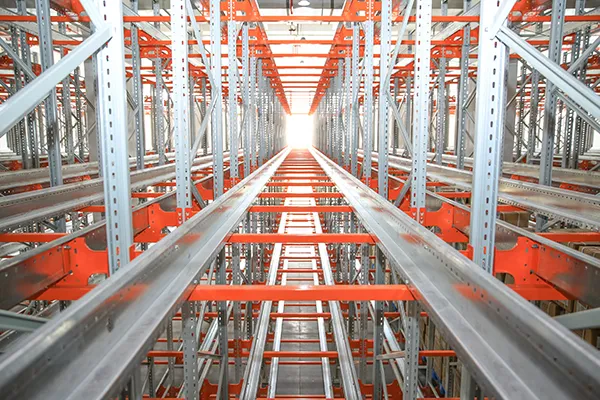
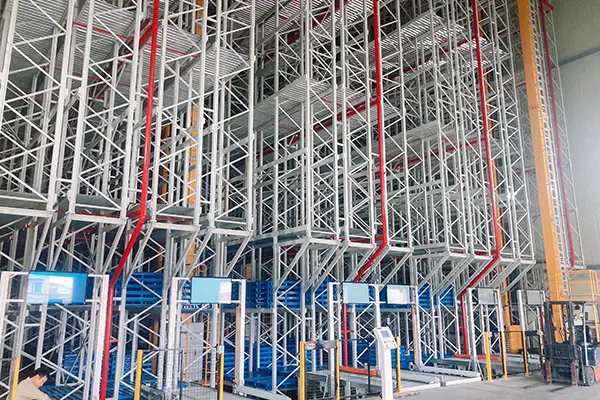
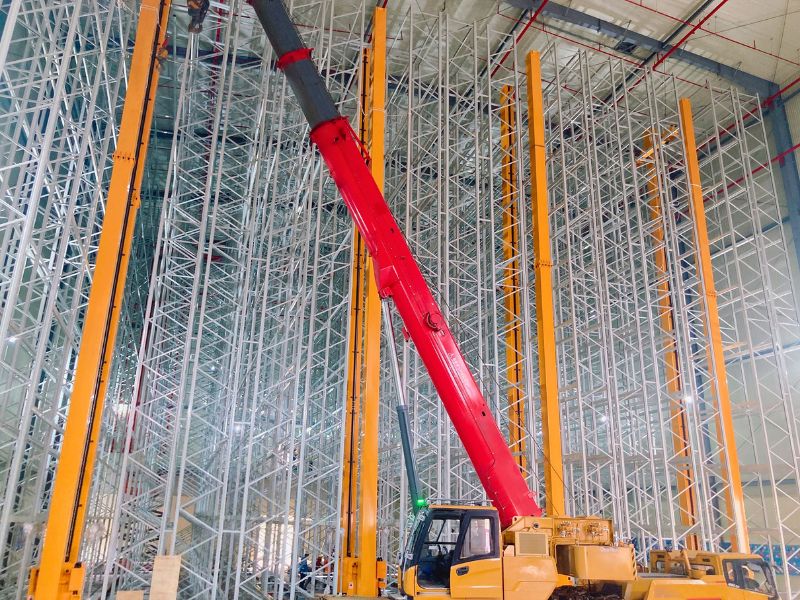
- Maximized Storage Density and Space Utilization: Unlike conventional wide-aisle forklift operations, stacker cranes operate within extremely narrow aisles. This design dramatically reduces non-productive space, allowing for higher racking and denser storage configurations. By utilizing vertical space efficiently, businesses can often increase storage capacity by 3 to 5 times within the same warehouse footprint, a crucial advantage where real estate costs are high.
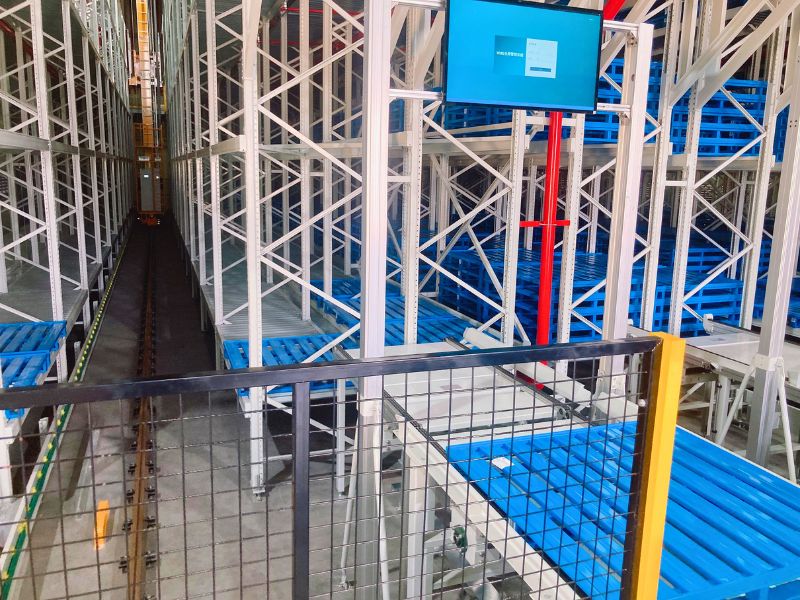
- Enhanced Operational Efficiency and Accuracy: Automated stacker cranes operate with precision and speed 24/7. Guided by sophisticated Warehouse Management Software (WMS) and Warehouse Control Systems (WCS), they execute storage and retrieval tasks with minimal human intervention. This leads to significantly faster cycle times, higher throughput, and the near-elimination of errors associated with manual picking and placement. Inventory data is updated in real-time, ensuring perfect stock visibility.
- Improved Safety and Reduced Operational Costs: Automating the most repetitive and potentially hazardous tasks of lifting and transporting heavy loads greatly enhances workplace safety. The risk of accidents involving personnel and inventory is minimized. Furthermore, reliance on a large forklift fleet and operators is reduced, leading to substantial savings in labor, training, energy, and long-term equipment maintenance costs.
- Unmatched Reliability and Consistency: Modern stacker cranes are built for endurance and precision. With features like servo-drive technology and advanced safety components, they offer smooth, high-speed operation with positioning accuracy within millimeters. This reliability ensures consistent performance, crucial for maintaining just-in-time production lines or meeting tight shipping deadlines.
Adapting to Diverse Industrial Needs
A key strength of the modern automated stacker crane system is its remarkable adaptability. It is not a one-size-fits-all product but a flexible solution that can be tailored to meet the specific demands of various industries and operational environments.
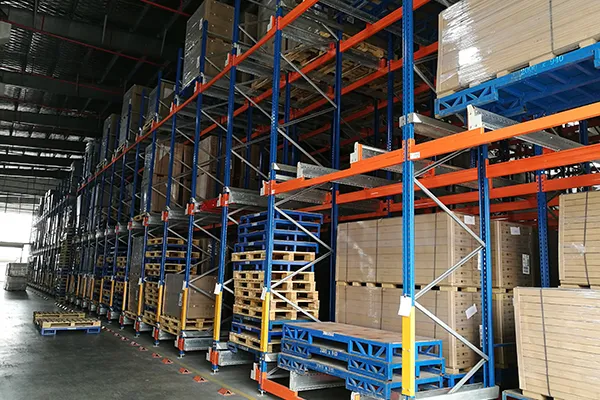
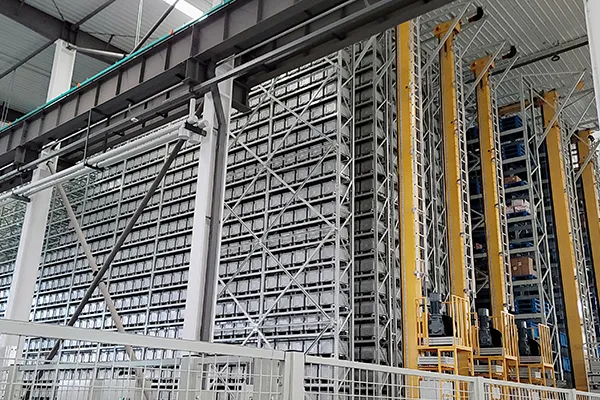
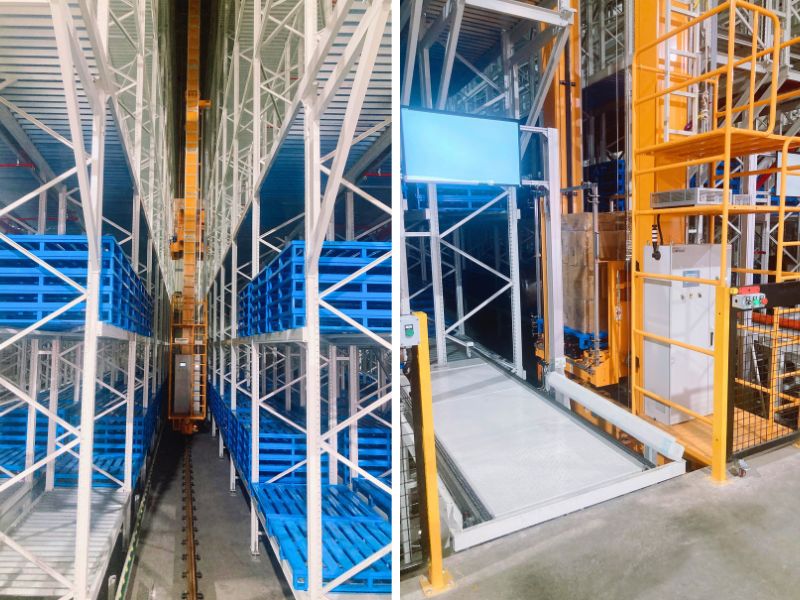
- Handling Diverse Load Types: Whether your operation deals with heavy unit loads on pallets, smaller totes, or long and awkward materials, there is a stacker crane configuration designed for the task. Unit-Load systems manage full pallets efficiently, while Mini-Load systems are perfect for cases, cartons, and individual item storage, often interfacing seamlessly with conveyor or robot systems.
- Thriving in Challenging Environments: These systems are engineered to perform reliably under demanding conditions. Specialized designs are available for cold chain logistics, operating steadily in freezing temperatures as low as -30°C, as well as for environments with extreme humidity or strict cleanliness requirements, such as in the pharmaceutical or food & beverage sectors.
- Scalability and Future-Proofing: A well-designed stacker crane warehouse is inherently scalable. The modular nature of the system allows for phased expansion. As business grows, additional aisles, cranes, or software capabilities can be integrated without a complete overhaul, protecting your initial investment.
Comparative Insight: Stacker Crane in the Automation Ecosystem
To understand the unique position of the stacker crane, it is helpful to compare it with other popular automated storage and retrieval systems (AS/RS). The following table highlights key differentiators:
| Feature | Stacker Crane AS/RS | Four-Way Shuttle System | AGV-Based Solutions |
| Primary Strength | High-speed, heavy-duty, long-term reliability | Ultra-high density storage for mid-weight loads | Extreme layout flexibility, no fixed infrastructure |
| Ideal Load Capacity | Medium to Very High (up to several tons) | Light to Medium (typically under 2 tons) | Light to Medium |
| System Complexity | Mature, well-understood technology | High (multiple moving vehicles, complex software) | Moderate (dynamic routing, fleet management) |
| Best For | High-throughput, mixed-SKU, large-scale warehouses | Dense storage of uniform SKUs with lower throughput needs | Dynamic environments requiring frequent layout changes |
This comparison underscores that the stacker crane automated warehouse remains the gold standard for operations requiring a robust blend of high throughput, heavy load handling, and proven, dependable technology, especially in large-scale industrial applications.
Software and Control
The physical hardware of a stacker crane is only half the story. Its true potential is unlocked by the intelligent software that commands it. A state-of-the-art Stacker Crane Warehouse Solution is powered by integrated software layers.
- Warehouse Management System (WMS): This is the strategic brain, managing inventory data, order processing, and providing a comprehensive operational overview. It optimizes storage locations based on turnover and ensures efficient order batching.
- Warehouse Control System (WCS): Acting as the tactical nervous system, the WCS directly controls and monitors the real-time movement of all automated equipment, including stacker cranes, conveyors, and lifts. It translates WMS orders into precise machine commands, coordinating multiple devices for seamless workflow.
- Data-Driven Optimization: The synergy of WMS and WCS generates valuable data. This data fuels continuous improvement through analytics, enabling predictive maintenance, energy consumption optimization (some systems report energy savings up to 25%), and dynamic adjustment of operational parameters to meet fluctuating demand.
Making the Strategic Choice
Choosing to implement a stacker crane automated warehousing solution is a significant strategic decision. A successful deployment hinges on selecting the right partner—a provider with deep expertise, proven technology, and a commitment to full lifecycle support. Look for partners with extensive in-house R&D and manufacturing capabilities, a portfolio of successful projects in your industry, and a robust service network for ongoing support.
The future of logistics is automated, data-driven, and agile. By embracing a Stacker Crane Warehouse Solution, you are not just installing new equipment; you are building a smarter, more resilient, and competitive operational core. It is an investment that pays dividends in efficiency, accuracy, safety, and scalability, positioning your business to thrive in the dynamic global market.