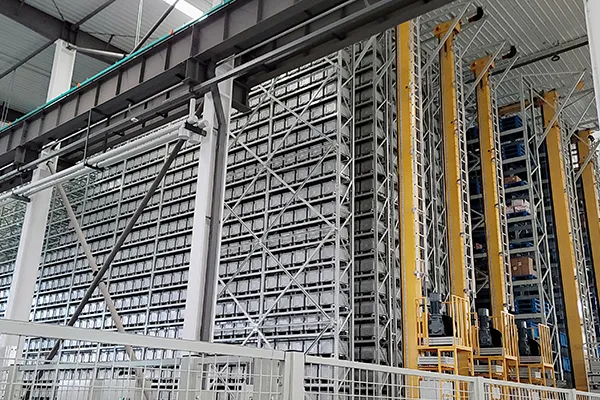
Four Way Shuttle Racking Solution
Choosing the optimal storage solution is a pivotal decision that directly impacts operational efficiency, cost control, and scalability. Among advanced automated options, the Four Way Shuttle Racking System stands out for its remarkable density, flexibility, and throughput. However, with various configurations and suppliers in the market, selecting the right solution for your specific needs can be complex. This guide is designed to help you navigate the key considerations, ensuring your investment in a four-way shuttle system delivers maximum value and a strong competitive edge.
Understanding Your Operational
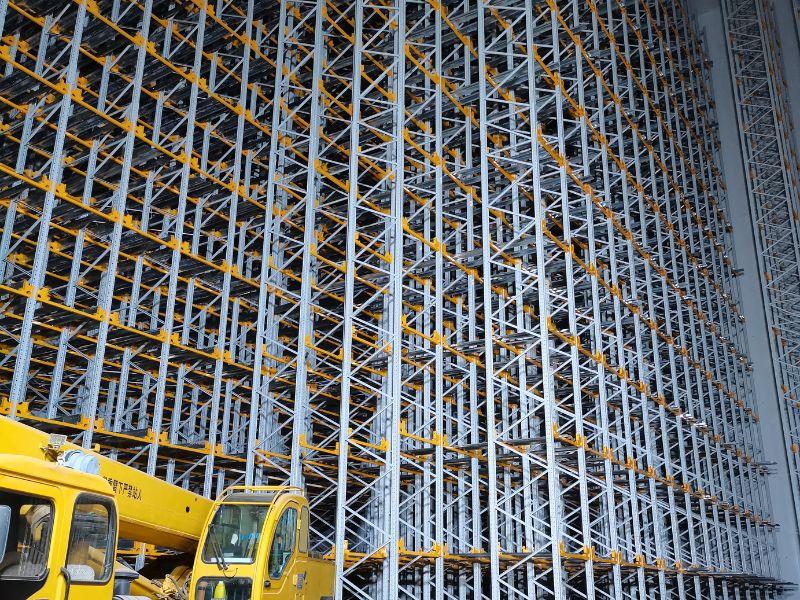
Before evaluating any technical specifications, a deep dive into your own operational profile is essential. The suitability of a Four Way Shuttle System hinges on how well it aligns with your core business characteristics.
- Inventory Profile Analysis: Examine your Stock Keeping Unit (SKU) count, turnover rates (ABC analysis), and physical dimensions of goods. A system perfect for handling large quantities of a few SKUs may not suit a business with thousands of low-turnover items.
- Throughput Requirements: Quantify your daily inbound and outbound volume peaks and averages. The required shuttle speed, quantity, and lift station configuration will depend on these demands.
- Future Growth Trajectory: Consider your business growth plan over the next 5-10 years. A scalable Four Way Shuttle System should accommodate increased SKUs or volume without requiring a complete overhaul.
The following table summarizes how different operational profiles might lean towards certain system emphases:
| Operational Profile | Key Characteristics | Recommended System Focus |
| High-Density, Low-Turnover | Large SKU range, slow-moving goods, archival storage. | Ultra-high density configuration, emphasis on storage volume over extreme speed. |
| High-Throughput Distribution | Fast-moving goods (e.g., e-commerce fulfillment), multiple shifts. | High-speed shuttles, multiple lift stations, sophisticated WMS/warehouse management system integration. |
| Mixed Portfolio | Combination of fast, medium, and slow movers. | Flexible zoning capability within the same system, tiered shuttle performance options. |
Evaluating Key Technical and Solution Parameters
Once your needs are clear, assess the technical offerings. Not all Four Way Shuttle Racking Systems are created equal.
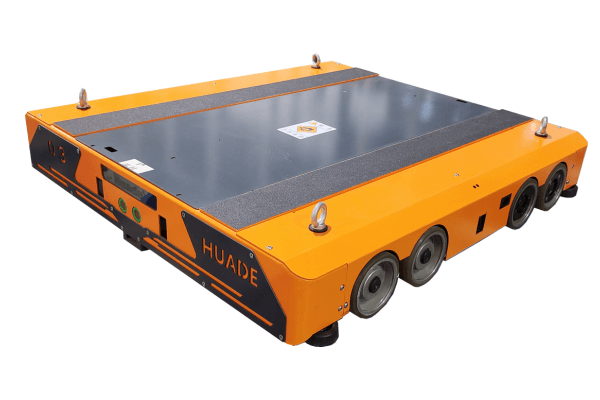
- Shuttle Vehicle Capability: This is the heart of the system. Key factors include:
- Load Capacity and Size Adaptability: Can it handle your pallet weights and dimensions? Some systems offer customizable shuttle decks.
- Travel Speed and Lifting Speed: Impacts overall cycle time. Balance speed with energy consumption and stability.
- Battery Life and Charging Strategy: Look for efficient lithium batteries and opportunity charging (automatic charging when idle) to ensure 24/7 operation.
- Communication Reliability: Stable and fast real-time communication between shuttles and the host control is non-negotiable for smooth operations.
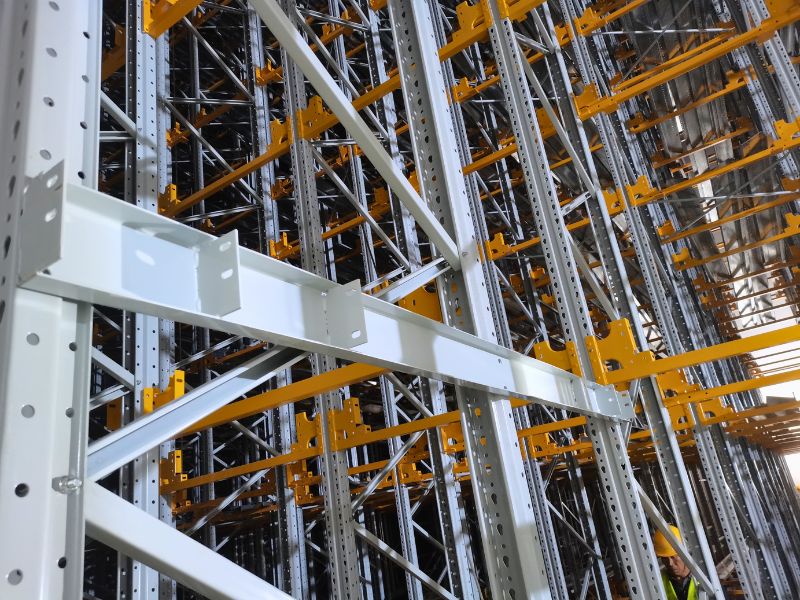
- Racking Structure Design: The racking is more than a steel frame; it’s the guideway for the shuttle.
- Manufacturing Precision: High precision in rail flatness and alignment is critical for smooth shuttle movement and reduced wear.
- Structural Strength and Safety: Must be designed to handle dynamic loads and include safety features like anti-collision and overload protection.
- Software and Control System Intelligence: The “brain” of the operation determines efficiency.
- Warehouse Management System (WMS) Integration: Seamless integration with your existing or new WMS is vital for inventory visibility and task orchestration.
- Task Optimization Algorithms: Advanced systems use algorithms to optimize shuttle tasking, path planning, and battery management, minimizing empty travel and congestion.
- User Interface and Monitoring: A user-friendly interface for operators and robust remote monitoring/diagnostic tools are essential for manageability.
Critical Soft Factors
The best technology can underperform without the right support ecosystem.
- Supplier Expertise and Track Record: Evaluate the provider’s experience, especially with projects similar in scale and complexity to yours. Request case studies and site visits.
- Total Cost of Ownership (TCO): Look beyond the initial purchase price. Consider installation, long-term maintenance, energy consumption, potential expansion costs, and the supplier’s support model.
- After-Sales Service and Support: Ensure reliable local technical support, availability of spare parts, and comprehensive training for your staff. The longevity of your automated four-way shuttle system depends on it.
- Project Implementation Partnership: A trustworthy supplier acts as a partner, offering professional project management, seamless integration services, and ongoing optimization advice.
Making the Final Decision: A Step-by-Step Approach
- Form a Cross-Functional Team: Include logistics, IT, finance, and operations personnel in the selection process.
- Develop a Clear Request for Proposal: Detail your current data, future goals, and mandatory requirements based on the considerations above.
- Conduct Rigorous Site Demonstrations and Reference Checks: See the equipment in action. Speak to existing clients about performance and support.
- Run a Detailed Analysis: Model costs over a 10-year period for each serious contender.
- Plan for Phased Implementation: Consider a pilot phase in one warehouse zone to validate performance before full-scale rollout.

Conclusion
Implementing a Four Way Shuttle Racking System is a significant strategic investment. By methodically assessing your operational needs, scrutinizing technical capabilities, and valuing long-term partnership over just price, you can choose a solution that not only solves today’s storage challenges but also empowers your growth for tomorrow. The right system transforms your warehouse from a cost center into a dynamic, efficient asset that drives customer satisfaction and business success.